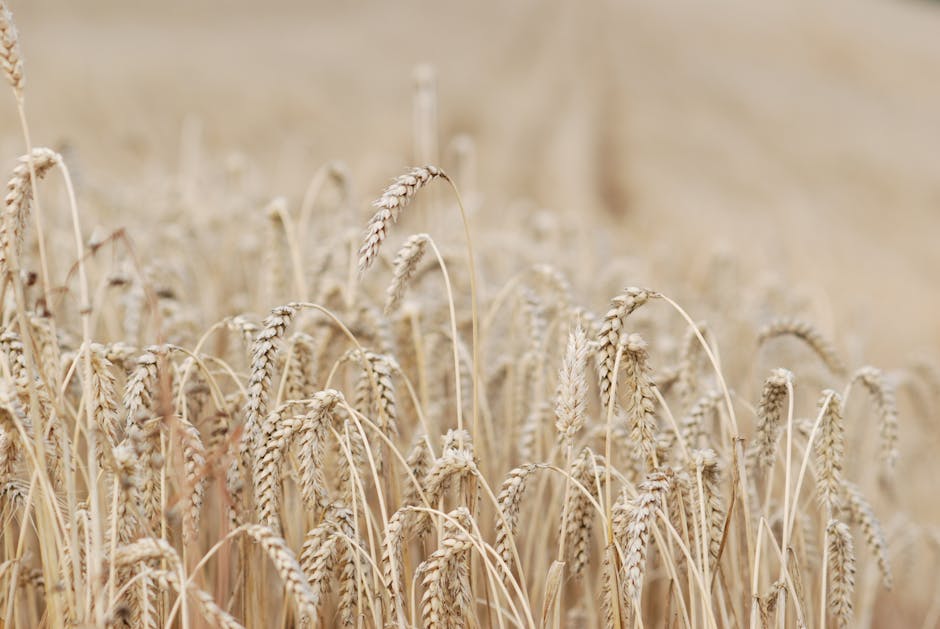
- The US is experiencing a severe drought, affecting over 60% of the Great Plains states and threatening wheat crops and livestock.
- The drought is expected to have a substantial impact on the US farm economy, with potential losses of over $1 billion in agricultural revenue.
- The US is one of the world’s largest wheat producers, making the drought likely to affect global food prices and availability.
- The drought is affecting not only wheat crops but also livestock, as pasturelands and water sources dry up in the Great Plains states.
- The drought has the potential to disrupt the entire US food supply chain and impact the livelihoods of farmers and ranchers across the country.
The US is facing a severe drought, with wheat crops withering and herds thinning as the spring drought deepens. According to recent data, over 60% of the Great Plains states are experiencing severe drought conditions, leading to significant losses in wheat production and livestock health. The drought is expected to have a substantial impact on the US farm economy, with some estimates suggesting a loss of over $1 billion in agricultural revenue. This is a striking fact, as the US is one of the world’s largest wheat producers, and the drought is likely to affect global food prices and availability.
The Drought’s Impact on US Agriculture

The current drought is a significant concern for US agriculture, as it comes at a critical time for wheat crops. The Great Plains states, which include Texas, Oklahoma, Kansas, and Nebraska, are typically the breadbasket of the US, producing over 50% of the country’s wheat. However, the severe drought conditions are affecting not only wheat crops but also livestock, as pasturelands and water sources dry up. This is why the drought matters now, as it has the potential to disrupt the entire US food supply chain and impact the livelihoods of farmers and ranchers across the country.
Drought-Stricken Areas and Key Players

The drought is affecting several key states, including Texas, Oklahoma, and Kansas, which are among the top wheat-producing states in the US. The US Department of Agriculture (USDA) has reported that wheat crops in these states are in poor condition, with some areas experiencing crop failure rates of over 50%. The USDA has also announced plans to provide emergency assistance to farmers and ranchers affected by the drought, including low-interest loans and other forms of support. Major agricultural companies, such as Archer-Daniels-Midland and Cargill, are also being impacted by the drought, as they rely on US wheat crops for their operations.
Causes, Effects, and Data Analysis
The causes of the drought are complex and multifaceted, involving a combination of natural climate variability and human-induced climate change. According to data from the National Oceanic and Atmospheric Administration (NOAA), the US has experienced an increase in drought frequency and severity over the past few decades, with the current drought being one of the worst on record. The effects of the drought are far-reaching, with significant implications for food prices, agricultural revenue, and the overall economy. Experts, such as agricultural economists and climate scientists, are analyzing the data and warning of potential long-term consequences, including changes in agricultural production patterns and increased food insecurity.
Implications for the US Economy and Global Food Supply
The implications of the drought are significant, with the potential to affect not only the US economy but also the global food supply. The US is a major wheat exporter, and the drought is likely to lead to reduced exports and increased prices for wheat and other agricultural commodities. This could have a ripple effect on the global economy, particularly in countries that rely heavily on US wheat imports. The drought is also expected to impact the livelihoods of farmers and ranchers, who may struggle to recover from the losses incurred during the drought.
Expert Perspectives
Experts are weighing in on the drought, with some warning of potential long-term consequences for US agriculture and the global food supply. Dr. Joseph Glauber, a former USDA chief economist, notes that the drought is a wake-up call for the US agricultural sector, highlighting the need for increased investment in drought-resistant crops and climate-resilient agricultural practices. On the other hand, some experts, such as Dr. Bruce McCarl, an agricultural economist at Texas A&M University, argue that the drought is a short-term phenomenon and that the US agricultural sector will recover once the drought subsides.
Looking ahead, the question on everyone’s mind is what the future holds for US agriculture and the global food supply. Will the drought lead to a permanent shift in agricultural production patterns, or will the sector recover once the drought subsides? As the situation continues to unfold, one thing is clear: the US drought is a significant concern that requires immediate attention and action from policymakers, agricultural leaders, and other stakeholders. The coming months will be critical in determining the long-term impact of the drought and the ability of the US agricultural sector to adapt and recover.