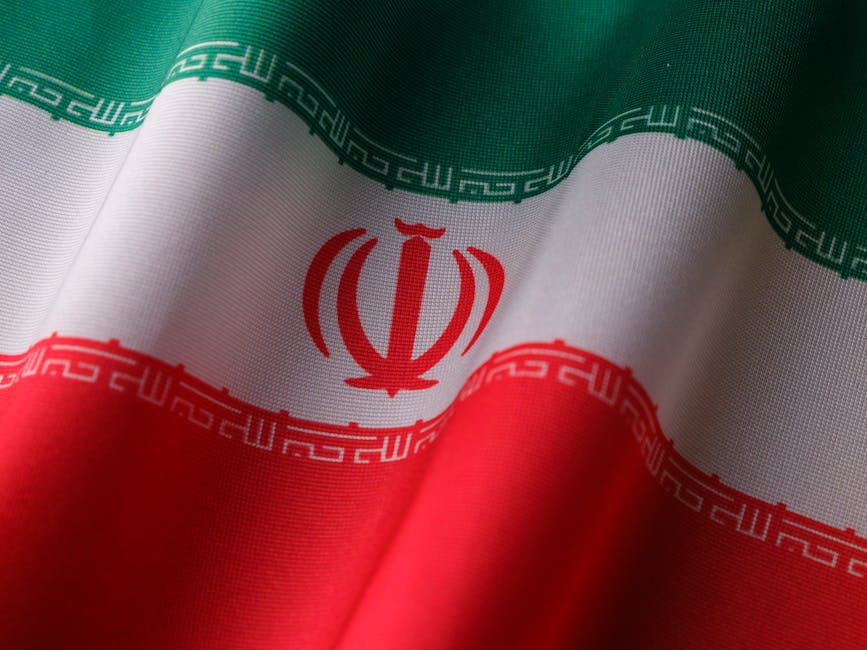
- US-Iran tensions have escalated due to stalled peace talks and the risk of renewed hostilities.
- The US withdrawal from the Iran nuclear deal in 2018 has significantly contributed to the current crisis.
- Israelis are on edge as the prospect of renewed conflict with Iran becomes increasingly likely.
- The situation is further complicated by the involvement of other regional actors, including Israel.
- The consequences of a failed diplomatic effort between the US and Iran could be catastrophic for the region.
The streets of Tel Aviv were filled with hundreds of protesters on Sunday, as fears of a renewed US-Israeli conflict with Iran continue to escalate. The rally, which was organized by various activist groups, drew attention to the stalled US-Iran peace talks and the potential consequences of a failed diplomatic effort. With the US and Iran struggling to reach a mutually acceptable agreement, the prospect of renewed hostilities has become increasingly likely, leaving many Israelis on edge. The protest was marked by chants and slogans, with demonstrators calling for a peaceful resolution to the conflict and an end to the cycle of violence. As the situation continues to unfold, one thing is clear: the fate of the region hangs in the balance, and the consequences of failure could be catastrophic.
Background to the Crisis

The current crisis has its roots in the US withdrawal from the Joint Comprehensive Plan of Action (JCPOA), also known as the Iran nuclear deal, in 2018. The move, which was widely criticized by the international community, paved the way for a significant escalation of tensions between the US and Iran. Since then, the two countries have engaged in a series of tit-for-tat exchanges, including the imposition of sanctions and the targeting of military personnel. The situation has been further complicated by the involvement of other regional actors, including Israel, which has long been a vocal critic of Iran’s nuclear program. As the US and Iran struggle to reach a new agreement, the region remains on high alert, with many fearing that a miscalculation could spark a wider conflict.
The Stalled Peace Talks

The US-Iran peace talks, which were launched earlier this year, had been seen as a rare opportunity for the two countries to reach a mutually acceptable agreement. However, the negotiations have stalled in recent weeks, with both sides unable to agree on key issues, including the scope of Iran’s nuclear program and the lifting of US sanctions. The impasse has been further complicated by the assassination of top Iranian military commander Qasem Soleimani, which was carried out by the US in January. The move, which was widely condemned by the international community, has been seen as a major setback to the peace process, and has left many wondering if a diplomatic solution is still possible. As the talks remain stalled, the region is bracing itself for the worst, with many fearing that a renewed conflict could have far-reaching consequences.
Analysis of the Conflict
The conflict between the US and Iran is a complex and multifaceted issue, with deep-rooted historical, cultural, and economic factors at play. At its core, the dispute is driven by a fundamental difference in values and interests, with the US seeking to limit Iran’s nuclear program and promote regional stability, while Iran is pushing for recognition as a major regional power. The situation has been further complicated by the involvement of other regional actors, including Israel, Saudi Arabia, and the UAE, which have their own interests and agendas. As the conflict continues to escalate, it is clear that a diplomatic solution will require a deep understanding of these complex factors, as well as a willingness to compromise and find common ground. However, with tensions running high and the region on edge, it remains to be seen if such a solution is still possible.
Implications of the Conflict
The implications of the conflict between the US and Iran are far-reaching and potentially catastrophic. A renewed conflict could have a devastating impact on the region, leading to widespread destruction, displacement, and loss of life. The conflict could also have significant economic consequences, including a disruption to global oil supplies and a potential spike in energy prices. Furthermore, the conflict could have a profound impact on regional stability, potentially drawing in other countries and leading to a wider conflict. As the situation continues to unfold, it is clear that the international community must come together to promote a peaceful resolution to the conflict, and to prevent a catastrophic escalation of violence.
Expert Perspectives
Experts are divided on the best way forward, with some arguing that a diplomatic solution is still possible, while others believe that the conflict is inevitable. According to Dr. Sanam Vakil, a leading expert on Middle East politics, “the US and Iran are at a critical juncture, and the next few weeks will be crucial in determining the trajectory of the conflict.” Others, such as former US diplomat Dennis Ross, believe that the US must take a tougher stance on Iran, and that a diplomatic solution is unlikely without significant concessions from Tehran. As the debate continues, one thing is clear: the situation is complex, and a solution will require a deep understanding of the underlying factors driving the conflict.
As the situation continues to unfold, the international community will be watching with bated breath. The question on everyone’s mind is: what’s next? Will the US and Iran be able to reach a diplomatic solution, or will the conflict escalate further? The answer remains unclear, but one thing is certain: the fate of the region hangs in the balance, and the consequences of failure could be catastrophic. As the world waits with anticipation, it is clear that the coming weeks and months will be crucial in determining the course of history in the Middle East.