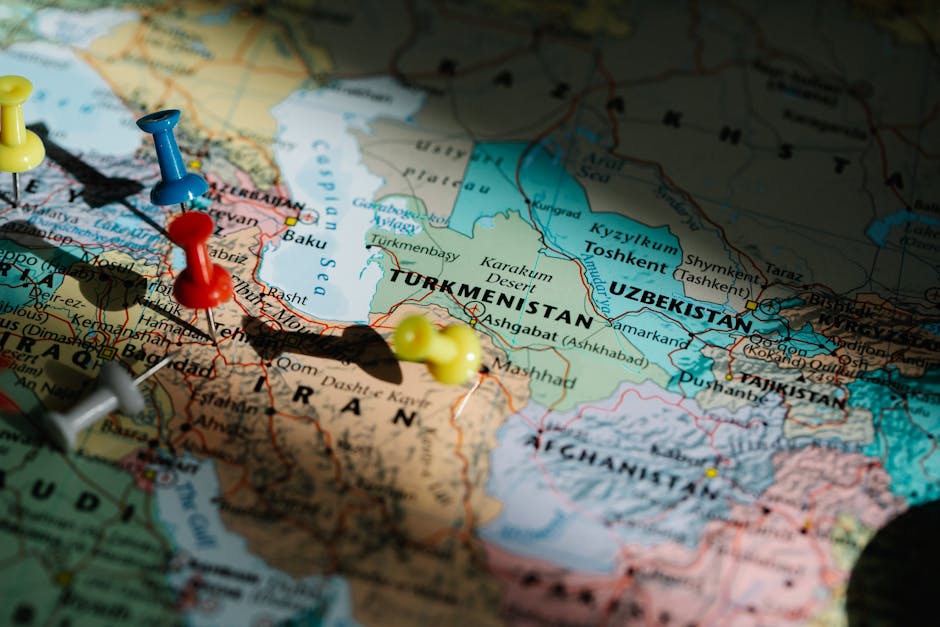
The sudden cancellation of a high-level diplomatic trip to Iran, intended to pave the way for renewed talks between the US and Iranian governments, has sent shockwaves through the international community. The trip, which was to be led by key advisors to President Trump, including Witkoff and Kushner, was abruptly scuttled at the last minute, with the President citing significant differences between the two sides as the reason for the cancellation. This unexpected move has sparked concerns that the already fraught relations between the US and Iran may be on the verge of a dangerous escalation, with potentially far-reaching consequences for the region and beyond.
Background to the Cancellation

The cancellation of the diplomatic trip is the latest in a series of setbacks for efforts to negotiate a peaceful resolution to the ongoing conflict between the US and Iran. Despite repeated overtures from both sides, the two nations appear to be as far apart as ever on key issues, including Iran’s nuclear program and the US’s insistence on stringent sanctions. The failure to make progress on these issues has led to a marked increase in tensions, with both sides engaging in a war of words and the US imposing ever-tightening sanctions on the Iranian economy. As the situation continues to deteriorate, there are growing fears that the conflict could soon spiral out of control, with disastrous consequences for the entire region.
Key Details of the Cancelled Trip

The trip, which was to have been led by Witkoff and Kushner, was intended to provide a forum for high-level discussions between US and Iranian officials, with the aim of breaking the current impasse and paving the way for a potential deal. However, according to sources close to the negotiations, significant differences between the two sides emerged in the run-up to the trip, making it clear that a breakthrough was unlikely. The US side was reportedly insisting on a number of preconditions, including a complete halt to Iran’s nuclear program and the release of all US citizens currently being held in Iranian jails. The Iranian side, on the other hand, was demanding an immediate end to US sanctions and a recognition of its right to develop its own nuclear energy program. With these differences proving insurmountable, the trip was eventually cancelled, with President Trump citing the need to maintain a strong negotiating position as the reason for the decision.
Analysis of the Current Situation
Experts agree that the cancellation of the diplomatic trip marks a significant setback for efforts to resolve the conflict peacefully. According to one analyst, the failure to make progress on key issues has created a ‘perfect storm’ of tensions, with both sides now more entrenched than ever in their positions. The US’s insistence on maintaining its sanctions regime, combined with Iran’s refusal to back down on its nuclear program, has created a situation in which neither side feels able to compromise, leading to a dangerous escalation of tensions. As the situation continues to deteriorate, there are growing fears that the conflict could soon spread beyond the region, with potentially catastrophic consequences for global stability and security.
Implications of the Cancellation
The cancellation of the diplomatic trip has significant implications for all parties involved. For the US, the failure to make progress on the Iranian issue marks a major foreign policy setback, with potentially far-reaching consequences for the President’s reputation and legacy. For Iran, the continuation of US sanctions and the lack of progress on the nuclear issue threaten to further destabilize an already fragile economy, leading to widespread hardship and discontent among the population. As the situation continues to deteriorate, there are growing fears that the conflict could soon spiral out of control, with disastrous consequences for the entire region and beyond.
Expert Perspectives
Experts are divided on the implications of the cancellation, with some arguing that it marks a significant setback for efforts to resolve the conflict peacefully, while others see it as a necessary step to maintain a strong negotiating position. According to one expert, the US needs to be ‘tough but fair’ in its dealings with Iran, and must be willing to walk away from the negotiating table if its demands are not met. Others, however, argue that the cancellation of the trip marks a missed opportunity for dialogue and diplomacy, and that the US should be seeking to engage with Iran in a more constructive and collaborative way.
As the situation continues to unfold, all eyes will be on the US and Iranian governments, as they seek to navigate the complex and treacherous landscape of the conflict. With tensions running high and the stakes higher than ever, one thing is clear: the coming weeks and months will be crucial in determining the future of the region, and the world will be watching with bated breath as events unfold. The question on everyone’s mind is: what’s next? Will the US and Iran be able to find a way back to the negotiating table, or will the conflict continue to escalate, with potentially disastrous consequences for all involved?