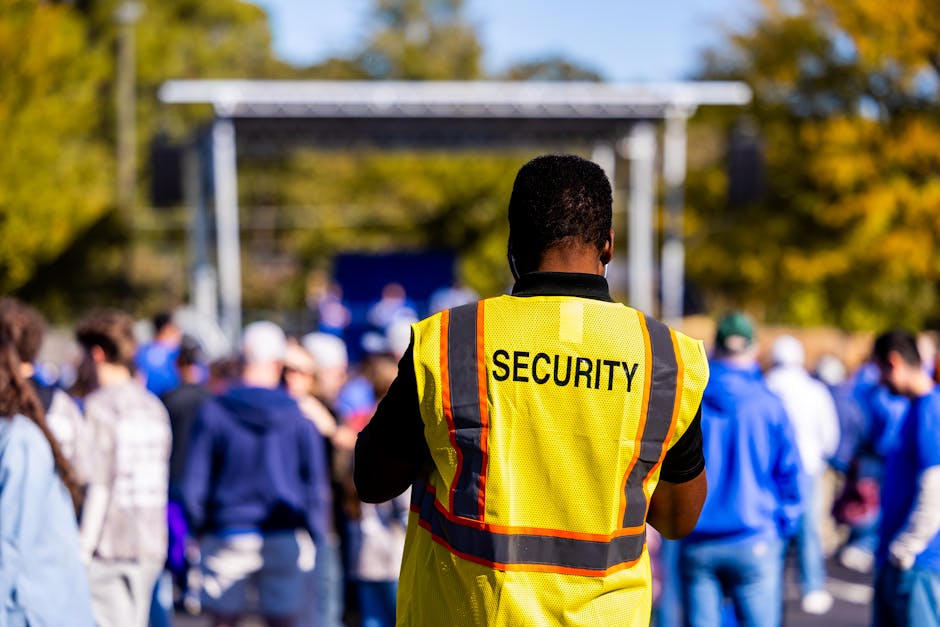
- The White House Correspondents’ Dinner poses a complex security challenge for the Secret Service.
- Security preparations for the event involve extensive surveillance, secure communication systems, and emergency response protocols.
- The Washington Hilton hotel has implemented security enhancements, including metal detectors, X-ray machines, and secure entry points.
- The Secret Service’s security plan takes into account the unique challenges of the event, including high-profile guests.
- The event serves as an opportunity for the Secret Service to test their agents’ skills and preparedness.
The White House Correspondents’ Association (WHCA) is an organization of journalists who cover the White House and the president of the United States. The WHCA was founded on February 25, 1914, by journalists in response to an unfounded rumor that a United States congressional committee would select which journalists could attend press conferences of President Woodrow Wilson.
Source: Wikipedia
The White House Correspondents’ Dinner, an annual event that brings together journalists, politicians, and celebrities, is a complex security challenge. With a history of security breaches, including the attempted assassination of President Ronald Reagan in 1981, the Secret Service has had to develop a multi-layered protection plan to ensure the safety of attendees. This plan involves extensive preparations, including advance surveillance, secure communication systems, and a robust emergency response protocol. The dinner, which takes place at the Washington Hilton hotel, has been the subject of intense security scrutiny, with the Secret Service using the event as an opportunity to test their agents’ skills and preparedness.
The Evolution of Security Measures

The security measures in place at the White House Correspondents’ Dinner have evolved significantly over the years, particularly since the Reagan shooting. The hotel, in collaboration with the Secret Service, has implemented a range of security enhancements, including the installation of metal detectors, X-ray machines, and secure entry points. Additionally, the hotel’s staff undergoes rigorous training to identify and respond to potential security threats. The Secret Service, meanwhile, has developed a comprehensive security plan that takes into account the unique challenges of the event, including the large number of attendees and the presence of high-profile guests.
Securing the Venue

The Washington Hilton hotel, where the dinner is held, is a critical component of the security plan. The hotel’s management works closely with the Secret Service to ensure that the venue is secure, with a focus on preventing unauthorized access and identifying potential security risks. This includes conducting thorough background checks on hotel staff and contractors, as well as implementing strict access controls for the hotel’s facilities. The Secret Service also conducts regular sweeps of the hotel to detect and neutralize any potential security threats, including the use of bomb-sniffing dogs and other specialized equipment.
Agent Training and Preparation
The White House Correspondents’ Dinner provides a unique opportunity for the Secret Service to test their agents’ skills and preparedness. The event is used as a training exercise, with agents being deployed to the hotel to practice their security protocols and respond to simulated security threats. This training is critical in ensuring that agents are equipped to handle the complex security challenges that arise during the dinner. The Secret Service also uses the event to test new security technologies and strategies, including the use of advanced surveillance systems and secure communication protocols.
Implications and Concerns
The security measures in place at the White House Correspondents’ Dinner have significant implications for attendees and the broader public. The event highlights the ongoing threat of violence and terrorism, and the need for robust security measures to protect high-profile targets. The dinner also raises concerns about the balance between security and freedom of expression, with some critics arguing that the security measures in place are overly restrictive and infringe on the rights of attendees. Nevertheless, the Secret Service and the hotel management are committed to ensuring the safety of all attendees, while also respecting the need for a free and open exchange of ideas.
Expert Perspectives
Security experts and former Secret Service agents have praised the multi-layered protection plan in place at the White House Correspondents’ Dinner, citing its effectiveness in preventing security breaches and protecting attendees. However, some have also raised concerns about the potential for over-reliance on technology and the need for a more nuanced approach to security that takes into account the human factor. As one expert noted, “The key to effective security is not just about having the right technology, but also about having well-trained agents who can respond quickly and effectively to security threats.”
Looking ahead, the White House Correspondents’ Dinner will continue to present a complex security challenge, with the Secret Service and hotel management working to stay ahead of emerging threats and ensure the safety of attendees. As the event continues to evolve, it will be important to monitor the security measures in place and assess their effectiveness in preventing security breaches and protecting the public. One open question is how the Secret Service will balance the need for security with the need for a more open and inclusive event, and whether the dinner will become a model for other high-profile events in the future.