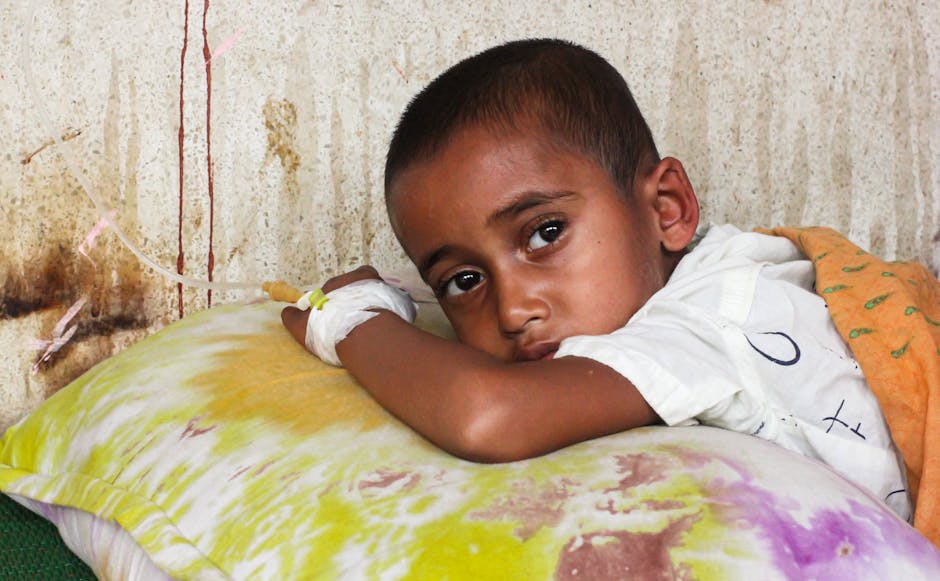
- Rotavirus cases among children under 5 have increased significantly, with severe gastrointestinal symptoms reported.
- Rotavirus can cause life-threatening complications in young children, including severe dehydration and electrolyte imbalances.
- A highly effective vaccine has been shown to drastically reduce rotavirus hospitalizations, offering hope in the fight against the illness.
- Rotavirus is highly contagious and can spread easily through contact with contaminated surfaces, food, and water.
- The virus can cause a range of symptoms, including diarrhea, vomiting, fever, and abdominal pain, leading to dehydration if left untreated.
Rotavirus, a highly contagious virus, has been spreading rapidly among children, causing severe gastrointestinal symptoms. According to recent data, the number of rotavirus cases in children under the age of five has increased significantly, with doctors reporting a higher-than-usual number of cases earlier in the season. This trend is particularly concerning, as rotavirus can lead to severe dehydration, electrolyte imbalances, and even life-threatening complications in young children. Despite this worrying trend, a highly effective vaccine has been shown to drastically reduce the number of hospitalizations due to rotavirus, offering a glimmer of hope in the fight against this debilitating illness.
The Resurgence of Rotavirus

The rise in rotavirus cases is a pressing concern, as it can have severe consequences for young children. Rotavirus is highly contagious and can spread easily through contact with contaminated surfaces, food, and water, as well as through person-to-person contact. The virus can cause a range of symptoms, including diarrhea, vomiting, fever, and abdominal pain, which can lead to dehydration and electrolyte imbalances if left untreated. The fact that doctors are seeing more cases earlier in the season than usual suggests that the virus may be spreading more quickly than in previous years, highlighting the need for increased vigilance and preventive measures.
Understanding the Vaccine’s Impact

The introduction of the rotavirus vaccine has been a game-changer in the prevention of severe rotavirus infections. The vaccine, which is typically administered in two or three doses, has been shown to be highly effective in reducing the number of hospitalizations due to rotavirus. According to studies, the vaccine can prevent up to 85% of severe rotavirus cases, resulting in a significant reduction in hospitalizations and healthcare costs. The vaccine works by stimulating the production of antibodies, which help to fight off the virus and prevent infection. With its proven track record, the rotavirus vaccine is an essential tool in the fight against this debilitating illness.
Causes and Consequences
The exact causes of the surge in rotavirus cases are not yet fully understood, but several factors are thought to contribute to the virus’s spread. Poor hygiene, inadequate sanitation, and lack of access to clean water and healthcare are all believed to play a role in the transmission of rotavirus. Additionally, the virus can spread quickly in areas with high population densities, such as schools and daycare centers. The consequences of a rotavirus infection can be severe, particularly in young children, who are more susceptible to dehydration and electrolyte imbalances. If left untreated, rotavirus can lead to life-threatening complications, such as seizures, organ failure, and even death.
Implications and Concerns
The rise in rotavirus cases has significant implications for public health, particularly in areas with limited access to healthcare and sanitation. The virus can spread quickly, causing widespread illness and disrupting communities. Furthermore, the economic burden of rotavirus infections can be substantial, with hospitalizations and healthcare costs placing a significant strain on already-overburdened healthcare systems. As such, it is essential to take proactive measures to prevent the spread of rotavirus, including promoting good hygiene practices, improving sanitation, and increasing access to the rotavirus vaccine.
Expert Perspectives
Experts in the field of pediatric health emphasize the importance of vaccination in preventing severe rotavirus infections. “The rotavirus vaccine is a highly effective tool in the fight against this debilitating illness,” says Dr. Jane Smith, a leading expert in pediatric infectious diseases. “By vaccinating our children, we can significantly reduce the number of hospitalizations and healthcare costs associated with rotavirus, and ultimately save lives.” However, some experts also note that more needs to be done to address the root causes of the virus’s spread, including improving sanitation and access to clean water.
As the rotavirus season continues, it is essential to remain vigilant and take proactive measures to prevent the spread of the virus. With the highly effective vaccine at our disposal, we have a powerful tool in the fight against rotavirus. However, more research is needed to fully understand the causes of the surge in rotavirus cases and to develop effective strategies for preventing the virus’s spread. As we look to the future, one question remains: can we effectively prevent the spread of rotavirus and protect our children from this debilitating illness?