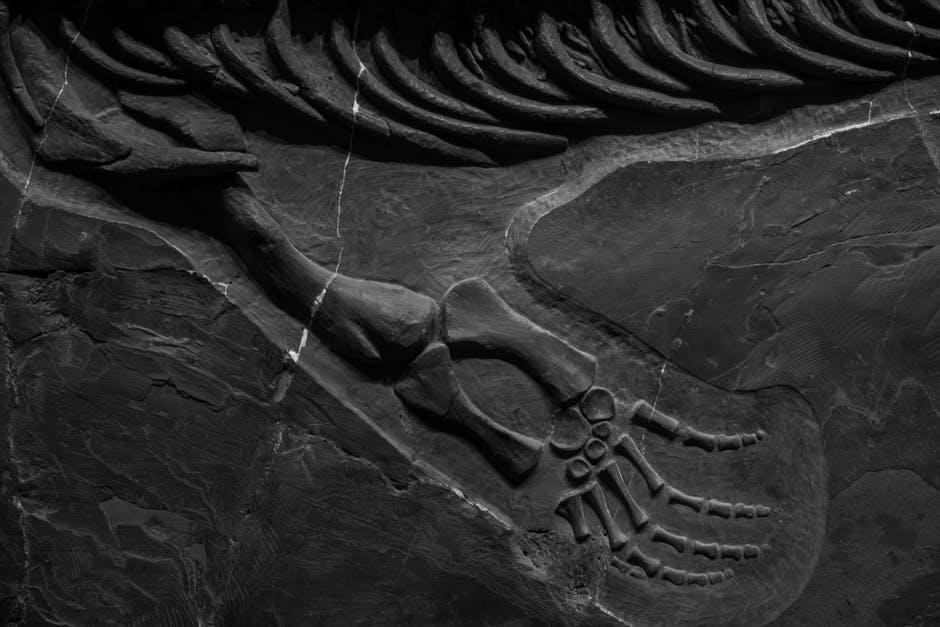
A striking fact has emerged in the field of paleontology: Neanderthals, our ancient human relatives, were capable of hunting and killing elephants. This revelation comes from a recent study that re-examined a nearly 125,000-year-old elephant skeleton found in Germany. For decades, the skeleton was dismissed as unimportant, but upon closer inspection, researchers discovered evidence of careful planning, teamwork, and a calculated kill. The finding has significant implications for our understanding of Neanderthals’ intelligence, social behavior, and place in the ancient world.
Uncovering the Past

The discovery of the elephant skeleton’s significance is a testament to the importance of re-examining existing evidence in the field of paleontology. As our understanding of ancient human behavior and biology evolves, so too must our interpretation of the fossil record. In this case, the elephant skeleton, which was initially thought to have died from natural causes, has been found to bear the marks of a deliberate and coordinated hunt. This finding matters now because it challenges our previous assumptions about Neanderthals’ capabilities and highlights the need for continued research into their behavior and ecology.
Hunting the Giant

The key details of the hunt are still being pieced together, but it is clear that Neanderthals employed a sophisticated strategy to take down their massive prey. The elephant skeleton shows evidence of multiple injuries, including a fatal wound to the head, which suggests that the hunters used a combination of tactics to weaken and kill the animal. The presence of stone tools and butchered bones at the site also indicates that the Neanderthals were able to process and utilize the elephant’s meat and other resources. The fact that Neanderthals were involved in this hunt is significant, as it demonstrates their ability to work together and use complex strategies to achieve a common goal.
Analysis of the Hunt
An analysis of the evidence suggests that the Neanderthals’ hunt was a carefully planned and executed affair. The presence of multiple hunters, the use of specialized tools, and the targeting of a vulnerable individual all point to a high degree of coordination and cooperation. Furthermore, the fact that the Neanderthals were able to take down an animal of such massive size and strength suggests that they possessed a sophisticated understanding of elephant behavior and ecology. Expert analysis of the fossil record and comparative studies of modern human and animal behavior have helped to shed light on the Neanderthals’ likely tactics and motivations.
Implications of the Discovery
The implications of this discovery are far-reaching, as they challenge our previous assumptions about Neanderthals’ place in the ancient world. The fact that they were capable of hunting and killing elephants suggests that they were a formidable and resourceful species, capable of adapting to a variety of environments and exploiting a range of resources. This, in turn, has significant implications for our understanding of Neanderthals’ intelligence, social behavior, and eventual decline. As we continue to learn more about our ancient human relatives, we are forced to re-evaluate our own place in the world and our relationship to the natural environment.
Expert Perspectives
Experts in the field of paleontology have weighed in on the significance of the discovery, with some hailing it as a major breakthrough in our understanding of Neanderthals’ behavior and ecology. Others have cautioned that the findings must be interpreted with care, as the fossil record is often incomplete and open to multiple interpretations. Nevertheless, the discovery has sparked a lively debate about the nature of Neanderthals’ intelligence and their place in the ancient world, with some experts arguing that they were more sophisticated and capable than previously thought.
As we look to the future, one question remains: what other secrets lie hidden in the fossil record, waiting to be uncovered? The discovery of the elephant skeleton’s significance is a powerful reminder of the importance of continued research and exploration in the field of paleontology. As we continue to learn more about our ancient human relatives, we may yet uncover even more surprising evidence of their intelligence, social behavior, and place in the world.