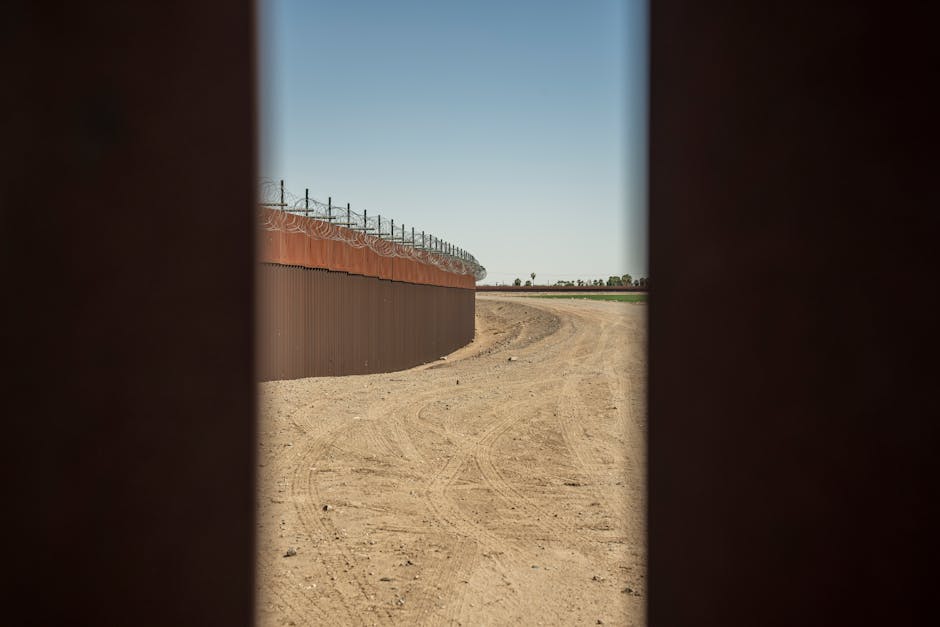
- Thousands of Iranians are crossing the border to Turkey daily to purchase cooking oil due to the commodity’s unaffordability in Iran.
- The Iranian government’s inability to provide basic needs has led to a thriving black market, with Turkey becoming a key destination.
- Crippling sanctions and the ongoing war have severely impacted the Iranian economy, leading to a deteriorating economic situation.
- The price of basic goods like cooking oil has skyrocketed in Iran, making it unaffordable for many citizens.
- The border trade between Iran and Turkey is likely to increase as the economic situation continues to deteriorate.
The border towns of Iran and Turkey have become a thriving hub for the trade of cooking oil, with thousands of Iranians crossing the border every day to purchase the staple commodity. This phenomenon is a stark illustration of the economic struggles that Iran is currently facing, with the war having exacerbated the country’s existing crisis. The Iranian government’s inability to provide for its citizens’ basic needs has led to a thriving black market, with Turkey becoming the go-to destination for everything from cooking oil to medicine. As the economic situation continues to deteriorate, the border trade is likely to increase, highlighting the desperate measures that Iranians are being forced to take in order to survive.
The Perfect Storm of Sanctions and War

The current economic crisis in Iran is the result of a combination of factors, including crippling sanctions imposed by the international community and the ongoing war. The sanctions, which were reimposed in 2018, have had a devastating impact on the Iranian economy, with the country’s currency losing significant value against the US dollar. The war has further exacerbated the situation, with the destruction of infrastructure and the disruption of trade routes making it even more difficult for the government to provide for its citizens. As a result, the price of basic goods like cooking oil has skyrocketed, making it unaffordable for many Iranians. The border trade with Turkey has become a lifeline for these individuals, providing them with access to affordable goods that are no longer available in their home country.
A Glimpse into the Lives of Border Residents

The residents of the border towns are the ones who are most affected by the economic crisis, with many being forced to cross the border into Turkey on a daily basis in order to purchase basic goods. These individuals, who are often women and children, face significant risks as they make their way across the border, including the threat of violence and exploitation. Despite these risks, they continue to make the journey, driven by the desperate need to provide for their families. The trade is not limited to cooking oil, with many other goods being smuggled across the border, including medicine, clothing, and electronics. The Iranian government has attempted to crack down on the trade, but it remains a thriving industry, with many people relying on it for their survival.
Understanding the Causes and Consequences
The causes of the economic crisis in Iran are complex and multifaceted, with the sanctions and war being just two of the contributing factors. The government’s mismanagement of the economy and the corruption that is rampant within the system have also played a significant role. The consequences of the crisis are far-reaching, with the most vulnerable members of society being the ones who are most affected. The lack of access to basic goods like cooking oil is just one of the many challenges that Iranians are facing, with the crisis also having a significant impact on the country’s healthcare system and education sector. As the situation continues to deteriorate, it is likely that the border trade will increase, with more and more people being forced to rely on it for their survival.
A Humanitarian Crisis in the Making
The economic crisis in Iran has the potential to develop into a full-blown humanitarian crisis, with the lack of access to basic goods like cooking oil being just one of the many challenges that the country is facing. The international community has a responsibility to act, providing support to the Iranian people and working to find a solution to the crisis. This could involve the lifting of sanctions, as well as the provision of humanitarian aid to those who are most in need. The Iranian government also has a role to play, with the implementation of economic reforms and the cracking down on corruption being essential if the country is to recover from the crisis.
Expert Perspectives
Experts warn that the economic crisis in Iran is likely to have far-reaching consequences, not just for the country itself, but for the wider region. The crisis has the potential to destabilize the entire Middle East, with the lack of access to basic goods like cooking oil being just one of the many challenges that the country is facing. As the situation continues to deteriorate, it is likely that the international community will be forced to take action, providing support to the Iranian people and working to find a solution to the crisis. According to Dr. Sanam Vakil, a leading expert on Iran, ‘the economic crisis is a symptom of a much deeper problem, one that requires a comprehensive solution that addresses the root causes of the crisis, rather than just its symptoms.’
As the economic crisis in Iran continues to deepen, it is likely that the border trade with Turkey will increase, with more and more people being forced to rely on it for their survival. The international community will be watching the situation closely, with many experts warning that the crisis has the potential to develop into a full-blown humanitarian crisis. The question on everyone’s mind is what will happen next, with the situation being fraught with uncertainty. One thing is certain, however: the Iranian people will continue to suffer, forced to rely on the black market for their basic needs, until a solution to the crisis is found.