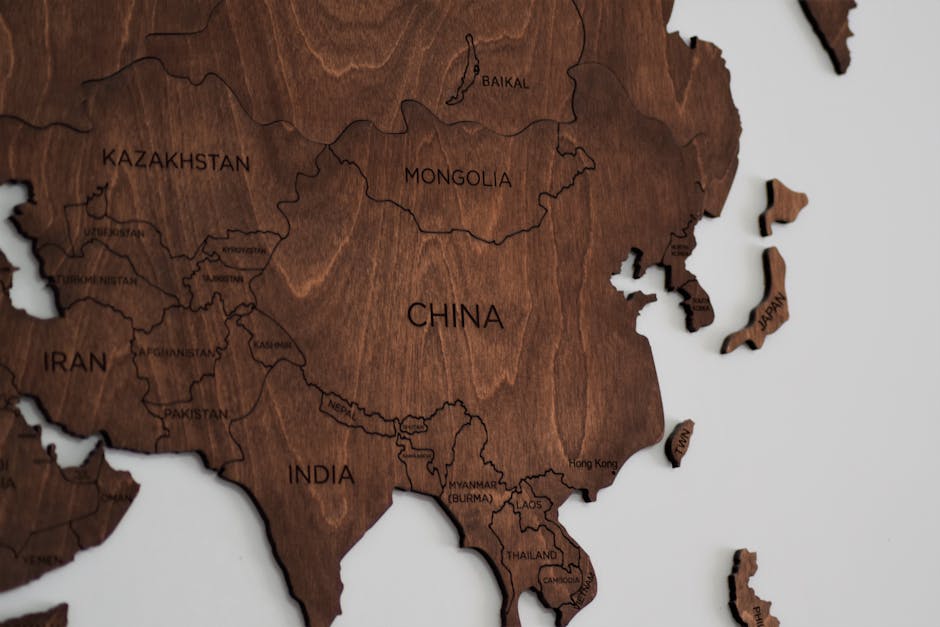
- Iran’s Foreign Minister met with Pakistani Prime Minister in Islamabad, highlighting complex geopolitical alliances in the region.
- Pakistan may play a key role in facilitating dialogue between Iran and the US amid strained tensions.
- The meeting underscores the intricate web of relationships between countries in the Middle East and South Asia.
- Diplomatic overtures between countries in the region can have far-reaching implications on global politics.
- The outcome of this meeting could significantly impact regional and global politics.
A striking fact has emerged in the realm of international diplomacy as Iranian Foreign Minister Abbas Araghchi recently met with Pakistani Prime Minister Shehbaz Sharif in Islamabad, highlighting the complex and multifaceted nature of geopolitical alliances in the region. This development is particularly noteworthy given the current tensions between Iran and the US, with Pakistan potentially playing a pivotal role in facilitating dialogue between the two nations. The meeting underscores the intricate web of relationships between countries in the Middle East and South Asia, where diplomatic overtures can have far-reaching implications. As the global community navigates the challenges of international relations, such engagements serve as crucial indicators of shifting alliances and emerging trends. With the world watching, the outcome of this meeting could significantly impact the trajectory of regional and global politics.
Background and Context

The meeting between Araghchi and Sharif is deeply rooted in the historical context of Iran-Pakistan relations, which have been marked by cooperation and mutual understanding. Pakistan has consistently maintained a policy of engagement with Iran, despite the latter’s strained relationships with Western countries. This background of amicable ties provides a foundation for Pakistan to potentially act as a mediator or facilitator in negotiations between Iran and the US. The timing of the meeting is also significant, given the ongoing efforts to revive the Joint Comprehensive Plan of Action (JCPOA), commonly known as the Iran nuclear deal. As the international community seeks to address concerns over Iran’s nuclear program, diplomatic channels such as the one opened by Araghchi’s visit to Pakistan are crucial. The success of these efforts could have profound implications for regional stability and global security.
Key Details of the Meeting

The details of the meeting between Araghchi and Sharif are telling of the complex issues at play. Discussions reportedly centered on bilateral relations, regional security, and the potential for Pakistan to play a role in facilitating talks between Iran and the US. The Iranian Foreign Minister’s visit is part of a broader strategy by Tehran to engage with neighboring countries and other regional players to bolster its position in upcoming negotiations. By strengthening ties with Pakistan, Iran aims to build a coalition of support that could influence the trajectory of its relations with Western powers. Meanwhile, Pakistan sees an opportunity to enhance its own diplomatic stature by positioning itself as a key intermediary in high-stakes international negotiations. The meeting, therefore, represents a convergence of interests for both countries, with each seeking to leverage the engagement to further its foreign policy objectives.
Analysis and Implications
An analysis of the meeting and its aftermath reveals a complex interplay of causes and effects. The primary cause of this diplomatic outreach is Iran’s desire to negotiate a better deal with the US, potentially leveraging support from other countries to achieve its goals. The effect of this strategy could be a significant shift in the regional balance of power, with Iran potentially gaining more negotiating room. However, this is contingent upon the success of Pakistan’s mediation efforts and the willingness of the US to engage in meaningful dialogue. From a data-driven perspective, the success of such diplomatic overtures can be measured by the eventual resumption of direct talks between Iran and the US, as well as tangible progress in reviving the JCPOA. Expert analysis suggests that while challenges abound, the engagement between Iran and Pakistan represents a positive step towards de-escalation and could pave the way for more constructive dialogue in the region.
Regional and Global Implications
The implications of the Araghchi-Sharif meeting are far-reaching, affecting not only the immediate region but also the global community. The potential for renewed negotiations between Iran and the US, facilitated by Pakistan, could lead to a reduction in tensions in the Middle East. This, in turn, could have a stabilizing effect on global energy markets and contribute to a more peaceful regional environment. However, the success of these efforts is contingent upon the cooperation of all parties involved and the ability of Pakistan to effectively navigate the complex geopolitical landscape. The meeting serves as a reminder of the interconnected nature of international relations, where the actions of a few countries can have profound effects on global stability and security.
Expert Perspectives
Experts in the field of international relations offer contrasting viewpoints on the significance and potential outcomes of the meeting. Some analysts view the engagement as a positive development, highlighting the potential for Pakistan to play a constructive role in mediating between Iran and the US. Others are more skeptical, citing the historical challenges in negotiations between these parties and the numerous obstacles that must be overcome. Despite these differing perspectives, there is a consensus on the importance of diplomatic efforts in resolving conflicts and promoting regional stability. As one expert noted, “The meeting between Araghchi and Sharif represents a crucial step in the right direction, but the path ahead will be fraught with challenges.”
Looking forward, the key question is what the future holds for Iran-US relations and the role Pakistan will play in these negotiations. As diplomatic efforts continue, it will be essential to watch for signs of progress, including the resumption of direct talks and tangible concessions from both sides. The open question remains whether these efforts will ultimately lead to a revived JCPOA and a more stable Middle East, or if they will succumb to the challenges that have historically plagued negotiations in the region. Regardless of the outcome, the meeting between Araghchi and Sharif serves as a testament to the enduring importance of diplomacy in international relations.