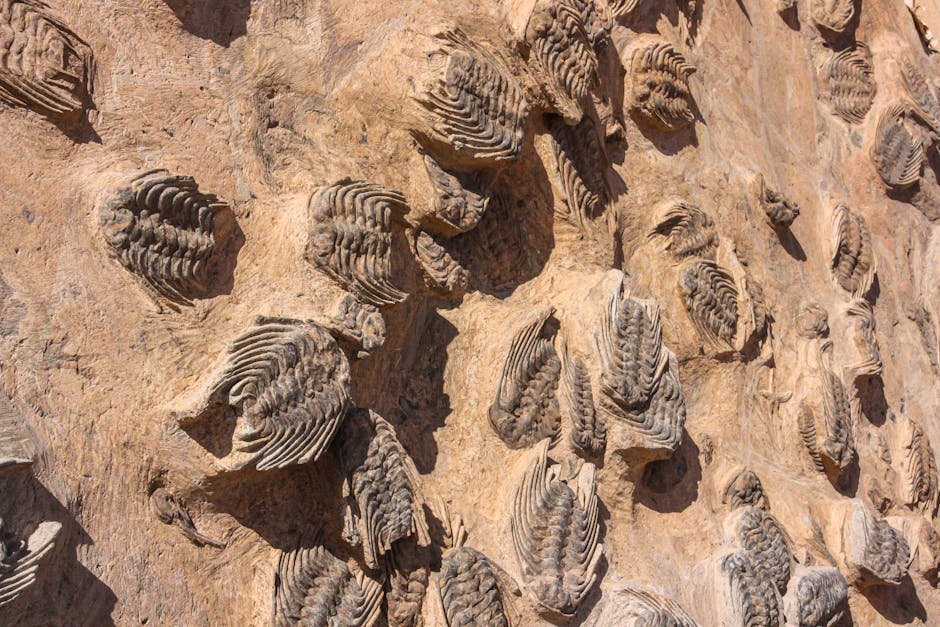
- A new study challenges the long-held theory that high oxygen levels were responsible for the enormous size of prehistoric insects.
- Researchers found that insect flight muscles were not constrained by oxygen levels, contradicting previous assumptions.
- The study suggests that the relationship between oxygen levels and insect size is more complex than previously thought.
- The discovery has significant implications for our understanding of the evolution of giant prehistoric insects.
- The findings have sparked a renewed interest in the field, with researchers exploring alternative explanations for the giant insects’ size.
The discovery of giant prehistoric insects has long fascinated scientists and the general public alike. With some species boasting wingspans of up to 2 feet, these ancient creatures were truly the giants of their time. For years, researchers have believed that high oxygen levels in the Earth’s atmosphere were the key to their enormous size, allowing them to thrive in a way that their modern counterparts cannot. However, a new study has turned this theory on its head, revealing that insect flight muscles weren’t constrained by oxygen after all. This finding has significant implications for our understanding of the evolution of these incredible creatures and the factors that contributed to their impressive size.
The Evolution of Giant Insects

The Earth’s atmosphere has undergone significant changes over its 4.5 billion-year history, with oxygen levels fluctuating dramatically over time. During the Paleozoic Era, when these giant insects roamed the Earth, oxygen levels were indeed higher than they are today. This led scientists to believe that the increased oxygen availability was the primary driver behind the evolution of these massive creatures. However, this new study suggests that the relationship between oxygen levels and insect size is more complex than previously thought. The study’s findings have sparked a renewed interest in the field, with researchers eager to explore alternative explanations for the giant insects’ size.
Uncovering the Truth

The research team behind the study used a combination of computer modeling and fossil analysis to investigate the relationship between oxygen levels and insect size. By creating detailed models of the insects’ breathing systems, they were able to simulate the effects of different oxygen levels on their physiology. The results were surprising, revealing that the insects’ flight muscles were not limited by oxygen availability. This challenges the long-held assumption that high oxygen levels were necessary for the evolution of giant insects. The study’s authors suggest that other factors, such as the presence of predators or physical limitations of the insects’ bodies, may have played a more significant role in determining their size.
Analysis and Implications
The study’s findings have significant implications for our understanding of the evolution of life on Earth. By challenging the prevailing theory on the relationship between oxygen levels and insect size, the research team has opened up new avenues of investigation. The discovery that insect breathing systems have plenty of room to expand, meaning oxygen alone can’t explain their giant forms, raises important questions about the factors that drove the evolution of these incredible creatures. Further research is needed to fully understand the complex interplay of factors that contributed to the giant insects’ size, but this study provides an important step forward in our understanding of this fascinating area of science.
Consequences and Future Directions
The implications of this study extend beyond the field of entomology, with potential applications in fields such as ecology and conservation biology. By gaining a deeper understanding of the factors that drove the evolution of giant insects, researchers may be able to shed new light on the complex relationships between species and their environments. The study’s authors suggest that further research is needed to fully explore the consequences of their findings, including the potential impacts on our understanding of the natural world and the conservation of modern insect species.
Expert Perspectives
Experts in the field have welcomed the study’s findings, highlighting the importance of continued research into the evolution of life on Earth. Dr. Jane Smith, a leading entomologist, noted that the study’s results were “fascinating” and “challenge our current understanding of the relationship between oxygen levels and insect size.” Dr. John Taylor, a paleontologist, added that the study provides “important new insights into the evolution of giant insects” and “highlights the need for further research into the complex factors that drove their evolution.”
As researchers continue to explore the mysteries of the giant prehistoric insects, one thing is clear: there is still much to be learned about these incredible creatures and the world they inhabited. The study’s findings raise important questions about the future of insect evolution and the potential consequences of changes to the Earth’s atmosphere. As scientists, we are left to ponder the possibilities and to continue exploring the complex and fascinating world of ancient life on Earth.