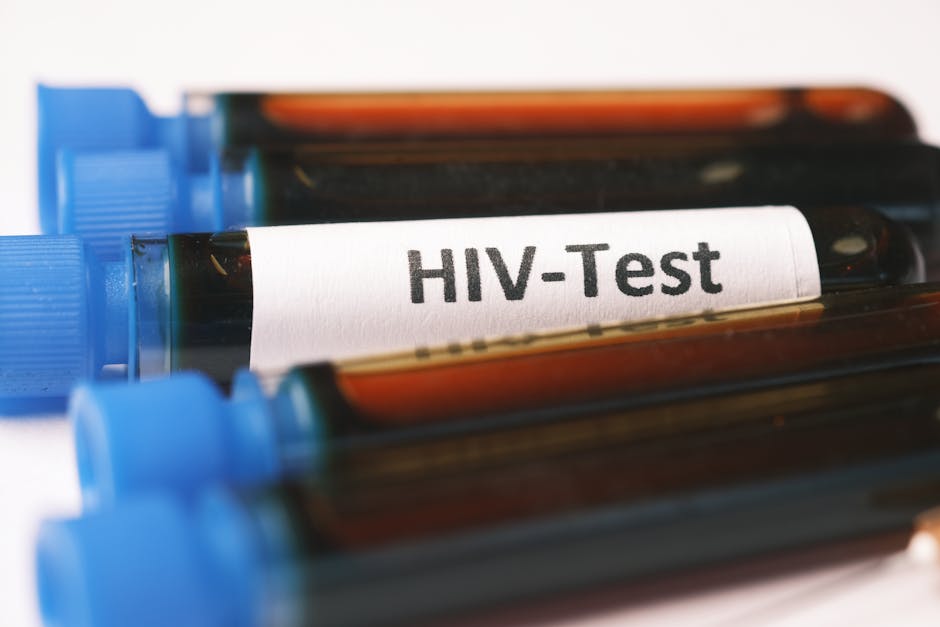
- The Bahamas has become the latest Caribbean nation to eliminate mother-to-child transmission of HIV, a significant milestone in regional public health.
- The country achieved this goal through strong political commitment and the dedication of health workers.
- Elimination of mother-to-child transmission is a critical step towards achieving an AIDS-free generation worldwide.
- The Bahamas’ success is a testament to the power of international cooperation and global health initiatives.
- The country’s achievement aligns with the Sustainable Development Goals (SDGs) set by the World Health Organization.
The World Health Organization (WHO) has congratulated The Bahamas for becoming the latest Caribbean nation to be certified as having eliminated the mother-to-child transmission of HIV. This landmark achievement is a significant milestone for Caribbean public health, and it solidifies the country’s position as a leader in the region’s efforts to combat the HIV epidemic. The certification is a result of years of political commitment and the dedication of health workers, who have worked tirelessly to ensure that children are born free of the virus. According to the WHO, the elimination of mother-to-child transmission of HIV is defined as a reduction of the transmission rate to less than 0.3%, and The Bahamas has successfully achieved this goal.
Background and Significance

The elimination of mother-to-child transmission of HIV is a critical step towards achieving an AIDS-free generation. The WHO has been working with countries around the world to implement comprehensive programs to prevent mother-to-child transmission of HIV, and The Bahamas is one of the latest countries to achieve this goal. The country’s success is a result of its strong political commitment, effective healthcare systems, and the dedication of its health workers. The achievement is also a testament to the power of international cooperation and the impact of global health initiatives. As the WHO continues to work with countries to achieve the Sustainable Development Goals (SDGs), The Bahamas’ success serves as a model for other countries to follow.
Key Details and Achievements

The Bahamas’ achievement is the result of a comprehensive program to prevent mother-to-child transmission of HIV, which includes routine HIV testing for pregnant women, antiretroviral therapy for those who test positive, and safe delivery practices. The country has also implemented a range of interventions to support HIV-positive mothers and their children, including counseling, nutrition support, and early childhood development programs. According to Dr. Tedros Adhanom Ghebreyesus, WHO Director-General, “I congratulate The Bahamas on this outstanding achievement, which solidifies years of political commitment, and the dedication of health workers. By ensuring that children are born free of the virus, The Bahamas is giving them the best possible start in life.” The country’s success has significant implications for the region, and it is expected to inspire other Caribbean nations to follow suit.
Analysis and Implications
The elimination of mother-to-child transmission of HIV in The Bahamas has significant implications for the country’s public health and healthcare systems. The achievement demonstrates the effectiveness of the country’s healthcare systems and the impact of its investments in health. It also highlights the importance of international cooperation and the role of global health initiatives in supporting countries to achieve their health goals. According to experts, the achievement is a result of a combination of factors, including strong political commitment, effective healthcare systems, and the dedication of health workers. The implications of this achievement are far-reaching, and it is expected to have a significant impact on the country’s efforts to achieve the SDGs.
Regional and Global Implications
The elimination of mother-to-child transmission of HIV in The Bahamas has significant implications for the region and the world. The achievement demonstrates that it is possible to eliminate mother-to-child transmission of HIV, even in resource-constrained settings. It also highlights the importance of international cooperation and the role of global health initiatives in supporting countries to achieve their health goals. The achievement is expected to inspire other Caribbean nations to follow suit, and it is likely to have a significant impact on the region’s efforts to combat the HIV epidemic. As the WHO continues to work with countries to achieve the SDGs, The Bahamas’ success serves as a model for other countries to follow.
Expert Perspectives
Experts have praised The Bahamas for its achievement, and they have highlighted the importance of the country’s political commitment and the dedication of its health workers. According to Dr. Rosmond Adams, Director of the Pan American Health Organization (PAHO) Caribbean Desk, “The Bahamas’ achievement is a significant milestone for the region, and it demonstrates the effectiveness of the country’s healthcare systems. It also highlights the importance of international cooperation and the role of global health initiatives in supporting countries to achieve their health goals.” Experts have also emphasized the need for continued support and investment in health to ensure that the country’s gains are sustained.
As The Bahamas looks to the future, there are several challenges that the country must address to ensure that its gains are sustained. One of the key challenges is the need to maintain the momentum and commitment to HIV prevention and treatment. The country must also continue to invest in its healthcare systems and ensure that they are equipped to meet the needs of its population. According to experts, the country must also address the social and economic determinants of health, including poverty and inequality, to ensure that all citizens have access to quality healthcare services. As the WHO continues to work with countries to achieve the SDGs, The Bahamas’ success serves as a model for other countries to follow, and it highlights the importance of continued investment and support for global health initiatives.