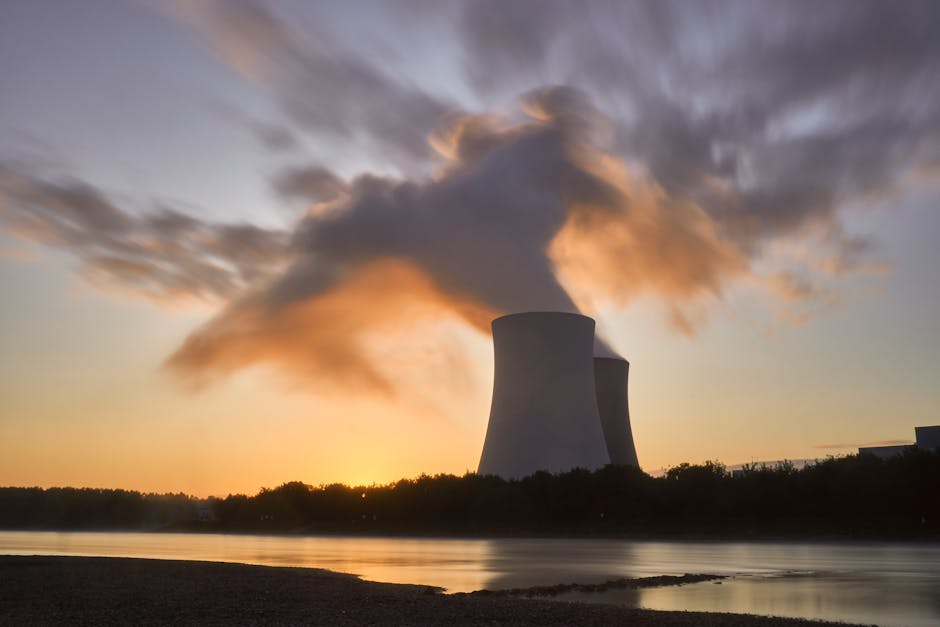
The Chornobyl disaster, one of the worst nuclear accidents in history, highlighted the devastating consequences of unchecked nuclear power. With over 28 deaths directly attributed to the disaster and a significant increase in cancer cases among those exposed, the incident serves as a stark reminder of the importance of prioritizing safety and resilience in our energy systems. As the world grapples with the challenges of climate change, energy security, and geopolitical tensions, it is crucial that we learn from the past and work towards a future where such disasters are prevented. The integration of decentralized renewable energy systems offers a promising solution, providing a safe and reliable alternative to traditional nuclear power.
Nuclear Energy: A High-Stakes Gamble

The use of nuclear energy is a complex and contentious issue, with proponents arguing that it provides a reliable and efficient source of power, while opponents highlight the significant risks associated with nuclear accidents and waste disposal. As the world’s energy demands continue to grow, the need for safe and sustainable energy solutions has never been more pressing. The Chornobyl disaster, which occurred in 1986, was a wake-up call for the international community, prompting a re-evaluation of nuclear safety standards and protocols. However, despite advancements in technology and safety measures, the risks associated with nuclear energy remain, and the potential for another disaster is ever-present. It is in this context that decentralized renewable energy systems offer a compelling alternative, providing a safe and resilient source of power that can mitigate the risks associated with nuclear energy.
Decentralized Renewable Energy: A Safe and Resilient Alternative

The integration of decentralized renewable energy systems, such as solar and wind power, offers a number of significant advantages over traditional nuclear power. Not only do these systems provide a safe and reliable source of energy, but they also offer increased resilience and flexibility, allowing communities to generate their own power and reduce their reliance on centralized grids. This is particularly significant in areas affected by conflict or instability, where access to energy can be a major challenge. By providing a decentralized and resilient source of power, renewable energy systems can help to support the basic needs of communities, including healthcare, education, and communication. Furthermore, the use of decentralized renewable energy systems can also help to reduce greenhouse gas emissions, mitigating the impacts of climate change and promoting a more sustainable future.
Analysis: Causes, Effects, and Expert Insights
The causes of the Chornobyl disaster were complex and multifaceted, involving a combination of human error, design flaws, and safety protocol breaches. The effects of the disaster were devastating, with significant impacts on the environment, human health, and the economy. In the aftermath of the disaster, there was a significant increase in international cooperation and collaboration on nuclear safety, with the establishment of new safety standards and protocols. However, despite these advancements, the risks associated with nuclear energy remain, and the potential for another disaster is ever-present. According to experts, the integration of decentralized renewable energy systems offers a critical solution, providing a safe and resilient source of power that can mitigate the risks associated with nuclear energy. By prioritizing the development and deployment of renewable energy technologies, we can reduce our reliance on nuclear power and promote a more sustainable and resilient energy future.
Implications: A New Energy Paradigm
The implications of the Chornobyl disaster are far-reaching, highlighting the need for a fundamental shift in our approach to energy production and consumption. The integration of decentralized renewable energy systems offers a compelling vision for the future, one in which energy is generated and consumed in a safe, resilient, and sustainable manner. This vision is not only critical for mitigating the risks associated with nuclear energy but also for promoting a more equitable and just energy system, one in which all communities have access to reliable and affordable energy. By prioritizing the development and deployment of renewable energy technologies, we can create a new energy paradigm, one that is characterized by safety, resilience, and sustainability.
Expert Perspectives
Experts in the field of energy and sustainability are unanimous in their view that decentralized renewable energy systems offer a critical solution to the challenges posed by nuclear energy. According to Dr. Maria van der Hoeven, former Executive Director of the International Energy Agency, “The integration of decentralized renewable energy systems is a game-changer for the energy sector, providing a safe and resilient source of power that can mitigate the risks associated with nuclear energy.” Similarly, Dr. Amory Lovins, a leading expert on energy and sustainability, argues that “The use of decentralized renewable energy systems is not only critical for promoting a more sustainable energy future but also for reducing the risks associated with nuclear energy.” These expert perspectives highlight the importance of prioritizing the development and deployment of renewable energy technologies, and the need for a fundamental shift in our approach to energy production and consumption.
As we look to the future, it is clear that the integration of decentralized renewable energy systems will play a critical role in shaping the global energy landscape. With the potential to mitigate the risks associated with nuclear energy, promote a more sustainable and resilient energy future, and support the basic needs of communities, these systems offer a compelling vision for the future. However, there are still many challenges to be overcome, including the need for significant investment in renewable energy infrastructure, the development of new technologies and innovations, and the creation of supportive policies and regulations. As we navigate these challenges, it is critical that we remain focused on the ultimate goal: a future in which energy is generated and consumed in a safe, resilient, and sustainable manner.