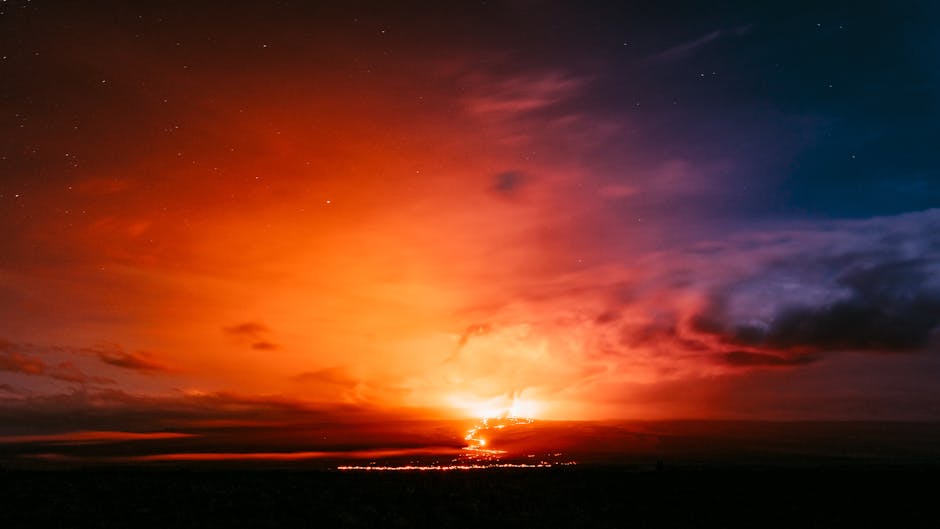
- Volcanic lightning is a complex phenomenon characterized by lightning flashes within volcanic eruption clouds.
- Recent research has shed light on the mechanisms behind volcanic lightning, focusing on fine carbon coating on silica particles.
- Volcanic lightning can produce an astonishing number of lightning flashes, with 2,600 recorded in the 2022 Hunga Tonga-Hunga Ha‘apai eruption.
- The study of volcanic lightning is a multidisciplinary field combining geology, atmospheric science, and physics expertise.
- Understanding electrical charging mechanisms within volcanic plumes has significant implications for scientific understanding.
The awe-inspiring display of volcanic lightning has long fascinated scientists and the general public alike. This extraordinary phenomenon, which can be observed during volcanic eruptions, is characterized by the presence of lightning flashes within the clouds of smoke and ash. Recent research has shed new light on the underlying mechanisms responsible for this spectacle, bringing us closer to unraveling the mystery of volcanic lightning. A striking example of the intensity of this phenomenon is the Hunga Tonga-Hunga Ha‘apai eruption in the Tongan archipelago in 2022, which produced a staggering 2,600 lightning flashes per minute, stretching up to 19 miles above sea level.
Unveiling the Science Behind Volcanic Lightning

The study of volcanic lightning is a complex and multidisciplinary field, drawing on expertise from geology, atmospheric science, and physics. Researchers have been working tirelessly to understand the underlying processes that give rise to this phenomenon. The recent breakthrough is a significant step forward in this endeavor, as it provides new insights into the role of fine carbon coating on silica particles in the updraught of a volcanic eruption. This discovery has far-reaching implications for our understanding of the electrical charging mechanisms that occur within volcanic plumes. As researchers continue to explore this phenomenon, they are gaining a deeper appreciation for the intricate relationships between geological and atmospheric processes.
Key Findings: The Role of Carbon Coating in Electrical Charging

The research team’s findings have identified a critical factor in the generation of volcanic lightning: the presence of a fine carbon coating on silica particles within the updraught of a volcanic eruption. This coating plays a crucial role in the electrical charging of the particles, which in turn gives rise to the spectacular displays of lightning. The study’s authors have demonstrated that the interaction between the carbon-coated silica particles and the surrounding air is responsible for the separation of electrical charges, ultimately leading to the formation of lightning. This discovery has significant implications for our understanding of the physical processes that occur within volcanic plumes and highlights the importance of continued research into this fascinating area of study.
Analysis: Causes, Effects, and Expert Insights
Experts in the field have welcomed the new research, highlighting its significance in advancing our understanding of volcanic lightning. The study’s findings have important implications for the prediction and mitigation of volcanic hazards, as well as for the study of atmospheric electricity more broadly. By shedding light on the mechanisms responsible for volcanic lightning, researchers can better understand the complex interactions between volcanic eruptions and the surrounding environment. This knowledge can, in turn, inform the development of more effective strategies for monitoring and predicting volcanic activity, ultimately saving lives and reducing the impact of eruptions on local communities.
Implications: Understanding the Reach of Volcanic Lightning
The implications of this research extend far beyond the scientific community, with significant potential impacts on our understanding of volcanic hazards and risk management. Volcanic lightning can have a profound effect on the surrounding environment, influencing local weather patterns and potentially disrupting communication and navigation systems. By gaining a deeper understanding of the mechanisms responsible for this phenomenon, researchers can better assess the risks associated with volcanic eruptions and develop more effective strategies for mitigating their impact. This knowledge can also inform the development of more accurate forecasting models, enabling authorities to provide timely warnings and evacuate affected areas.
Expert Perspectives
Experts in the field have offered contrasting viewpoints on the significance of this research, with some highlighting its potential to revolutionize our understanding of volcanic hazards, while others have emphasized the need for further study to fully elucidate the mechanisms responsible for volcanic lightning. Despite these differing perspectives, there is a broad consensus that this breakthrough represents a major step forward in the scientific community’s understanding of this complex and fascinating phenomenon. As researchers continue to explore the intricacies of volcanic lightning, they are poised to make further significant advances in our knowledge of this captivating area of study.
Looking to the future, researchers are eager to build on this breakthrough, exploring new avenues of investigation and seeking to answer the many questions that remain unanswered. One of the most pressing open questions in this field is the extent to which volcanic lightning can be used as a predictor of volcanic activity, enabling authorities to provide more accurate warnings and evacuate affected areas. As scientists continue to study this phenomenon, they are likely to uncover new insights and make further significant advances in our understanding of the complex and awe-inspiring world of volcanic lightning.