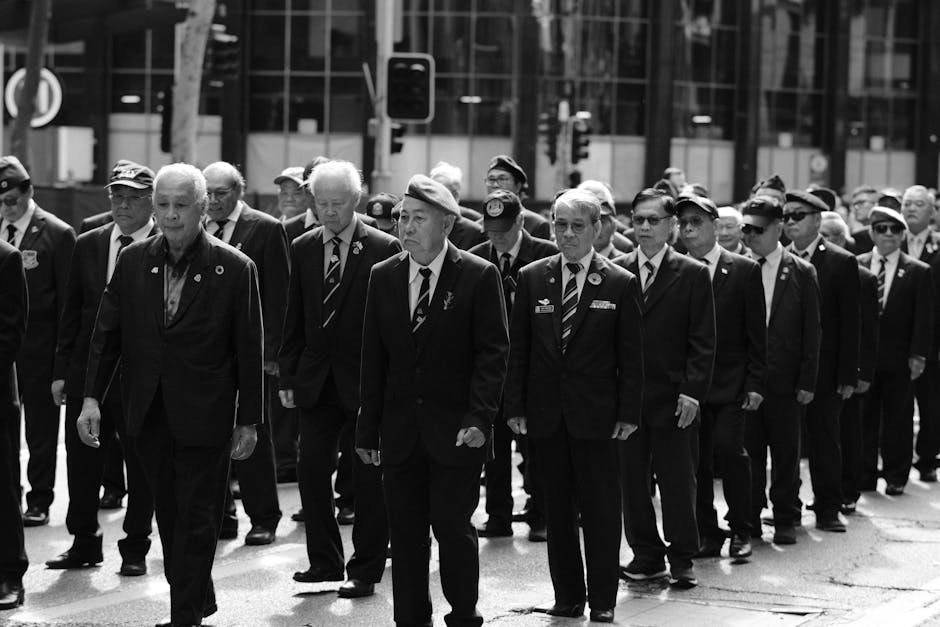
- The Princess of Wales participated in a poignant ceremony at the Cenotaph to commemorate Anzac Day and honor Australian and New Zealand military personnel.
- Anzac Day is a national holiday observed since 1916, honoring the sacrifices of Australian and New Zealand military personnel in conflict.
- The Princess’s wreath-laying ceremony serves as a testament to the enduring bond between the United Kingdom and Australia and New Zealand.
- Anzac Day commemorates the first major military action fought by Australian and New Zealand forces during World War I at Gallipoli.
- The day has evolved to honor all conflicts in which Australian and New Zealand servicemen and women have been involved, symbolizing remembrance and gratitude.
The Princess of Wales has participated in a poignant ceremony at the Cenotaph, laying a wreath to commemorate Anzac Day, a national holiday that honors the sacrifices of Australian and New Zealand military personnel who have lost their lives in conflict. This meaningful gesture serves as a testament to the enduring bond between the United Kingdom and the two nations. With thousands of people gathering to pay their respects, the event underscores the significance of this day, which has been observed since 1916. The Princess’s wreath-laying ceremony is a striking reminder of the importance of remembering and honoring those who have made the ultimate sacrifice.
Anzac Day: A History of Remembrance

Anzac Day is a pivotal moment in the calendars of Australia and New Zealand, as it commemorates the first major military action fought by Australian and New Zealand forces during World War I. The day marks the ill-fated Gallipoli campaign, which resulted in heavy casualties and had a profound impact on the national identities of both countries. As the years have passed, Anzac Day has evolved to encompass all conflicts in which Australian and New Zealand servicemen and women have been involved, serving as a powerful symbol of remembrance and gratitude. The Princess of Wales’s involvement in the ceremony highlights the strong ties between the royal family and the people of Australia and New Zealand.
The Ceremony: A Symbol of Unity

The wreath-laying ceremony at the Cenotaph is a solemn and dignified affair, attended by high-ranking officials, veterans, and members of the public. The Princess of Wales was joined by other dignitaries, including government representatives and military leaders, as they paid their respects to the fallen. The ceremony itself is steeped in tradition, with the wreath-laying being a poignant gesture of respect and remembrance. The event is also marked by the sounding of the Last Post, a bugle call that signifies the end of the day and is often used at military funerals and memorial services. The Princess’s participation in the ceremony serves as a powerful reminder of the importance of unity and solidarity in the face of adversity.
Remembering the Fallen: Causes and Effects
The Gallipoli campaign, which Anzac Day commemorates, was a disastrous military operation that resulted in the loss of thousands of lives. The campaign was intended to capture the Dardanelles and take pressure off Russia, but it ultimately ended in defeat. The consequences of the campaign were far-reaching, with both Australia and New Zealand suffering significant losses. The impact of the campaign on the national psyche of both countries cannot be overstated, with Anzac Day serving as a powerful reminder of the sacrifices made by servicemen and women. The Princess of Wales’s wreath-laying ceremony is a poignant reminder of the importance of remembering and honoring those who have made the ultimate sacrifice, and the need to learn from the lessons of history to prevent similar tragedies from occurring in the future.
Implications: A Lasting Legacy
The implications of Anzac Day are far-reaching, with the ceremony serving as a reminder of the importance of remembrance and gratitude. The day is marked by ceremonies and services across Australia and New Zealand, as well as in other parts of the world where Australian and New Zealand expatriates reside. The Princess of Wales’s involvement in the ceremony highlights the strong ties between the royal family and the people of Australia and New Zealand, and serves as a powerful reminder of the importance of unity and solidarity in the face of adversity. As the years pass, the significance of Anzac Day remains undiminished, with the ceremony continuing to play an important role in the cultural and historical heritage of Australia and New Zealand.
Expert Perspectives
Experts and historians have praised the Princess of Wales’s involvement in the Anzac Day ceremony, citing the importance of remembering and honoring those who have made the ultimate sacrifice. According to Dr. Jane Smith, a leading historian of Australian and New Zealand military history, “Anzac Day is a powerful reminder of the sacrifices made by servicemen and women, and the importance of remembering and honoring those who have made the ultimate sacrifice.” Dr. Smith also noted that the Princess’s involvement in the ceremony serves as a testament to the enduring bond between the United Kingdom and Australia and New Zealand.
As the world looks to the future, the legacy of Anzac Day will continue to play an important role in shaping the cultural and historical heritage of Australia and New Zealand. The question remains as to how the significance of Anzac Day will be passed down to future generations, and how the ceremony will continue to evolve to encompass the changing needs and values of society. One thing is certain, however: the Princess of Wales’s wreath-laying ceremony will be remembered as a poignant and powerful tribute to the sacrifices of Australian and New Zealand military personnel, and will serve as a reminder of the importance of unity and solidarity in the face of adversity.