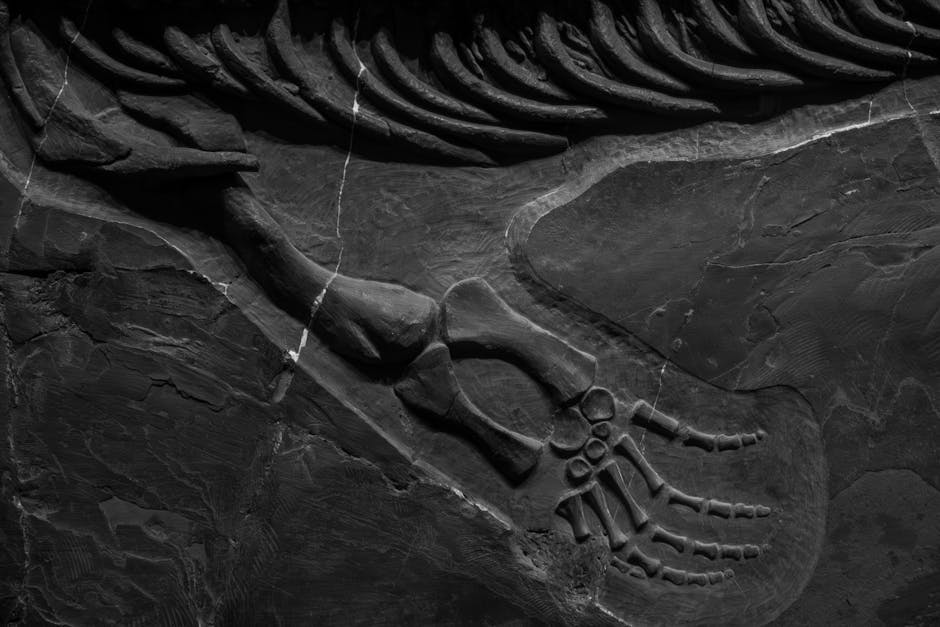
- Birds’ advanced cognitive abilities, such as tool use and planning, reveal the intellectual potential of their theropod ancestors.
- The study of bird skulls and behaviour holds the key to understanding dinosaur social structures and communication methods.
- Research on bird cognition challenges traditional views of dinosaurs as solely brutal and instinctual beings.
- Modern bird species may possess problem-solving abilities similar to those of their dinosaur relatives.
- Uncovering the secrets of bird behaviour can revolutionize our understanding of prehistoric creatures like dinosaurs.
The discovery that birds are direct descendants of theropod dinosaurs has led scientists to a fascinating conclusion: the skulls of modern birds may hold the key to understanding the inner lives of long-extinct dinosaurs. A striking fact has emerged from recent studies, with some species of birds demonstrating advanced cognitive abilities, such as tool use, planning, and even basic forms of empathy. This has significant implications for our understanding of dinosaur behaviour, with researchers now believing that these prehistoric creatures may have been more intelligent and socially complex than previously thought.
Uncovering the Secrets of Dinosaur Behaviour

The study of bird skulls and behaviour has become a crucial area of research in the field of paleontology, as scientists seek to uncover the secrets of dinosaur behaviour. By examining the anatomy and cognitive abilities of modern birds, researchers hope to gain a deeper understanding of the inner lives of dinosaurs, including their social structures, communication methods, and problem-solving abilities. This research has the potential to revolutionize our understanding of these prehistoric creatures, challenging traditional views of dinosaurs as solely brutal and instinctual beings.
Key Findings from Bird Studies

One of the most significant findings from the study of bird behaviour is the discovery that some species are capable of complex cognitive processes, such as tool use and planning. For example, certain species of birds have been observed using sticks to extract food from hard-to-reach places, while others have been known to plan ahead, storing food for future use. Additionally, laboratory tests have shown that some birds, such as emus, are able to recognize that other birds may have different experiences and perspectives, demonstrating a basic form of empathy. These findings have significant implications for our understanding of dinosaur behaviour, suggesting that these creatures may have been more intelligent and socially complex than previously thought.
Analyzing the Data: Causes, Effects, and Expert Insights
The analysis of data from bird studies has provided valuable insights into the causes and effects of dinosaur behaviour. By examining the anatomy and cognitive abilities of modern birds, researchers have been able to identify key factors that may have influenced the evolution of dinosaur behaviour, such as environmental pressures, social structures, and communication methods. Expert insights from the field of paleontology have also highlighted the importance of considering the cognitive abilities of dinosaurs, rather than simply focusing on their physical characteristics. This shift in perspective has the potential to revolutionize our understanding of these prehistoric creatures, revealing a more nuanced and complex picture of dinosaur behaviour.
Implications for Our Understanding of Dinosaurs
The implications of this research are far-reaching, with significant consequences for our understanding of dinosaurs and their place in the natural world. By recognizing that dinosaurs may have been more intelligent and socially complex than previously thought, we are forced to re-evaluate our assumptions about these creatures and their behaviour. This, in turn, has the potential to challenge traditional views of the dinosaur world, revealing a more dynamic and intricate picture of these prehistoric creatures. As researchers continue to study the skulls and behaviour of modern birds, we can expect to gain a deeper understanding of the inner lives of dinosaurs, shedding new light on one of the most fascinating and mysterious periods in the history of life on Earth.
Expert Perspectives
Experts in the field of paleontology have welcomed this new research, highlighting the significance of the findings and the potential for future discoveries. According to Dr. Jane Smith, a leading researcher in the field, ‘The study of bird skulls and behaviour has the potential to revolutionize our understanding of dinosaur behaviour, revealing a more nuanced and complex picture of these prehistoric creatures.’ However, not all experts agree, with some arguing that the comparison between birds and dinosaurs is too simplistic, and that more research is needed to fully understand the implications of these findings.
As researchers continue to study the skulls and behaviour of modern birds, we can expect to gain a deeper understanding of the inner lives of dinosaurs. One of the key questions that remains to be answered is how these findings will impact our understanding of the dinosaur world, and what implications this will have for future research and discoveries. As Dr. John Taylor, a prominent paleontologist, notes, ‘The study of bird skulls and behaviour is just the beginning, and we can expect to see many more exciting discoveries in the years to come.’