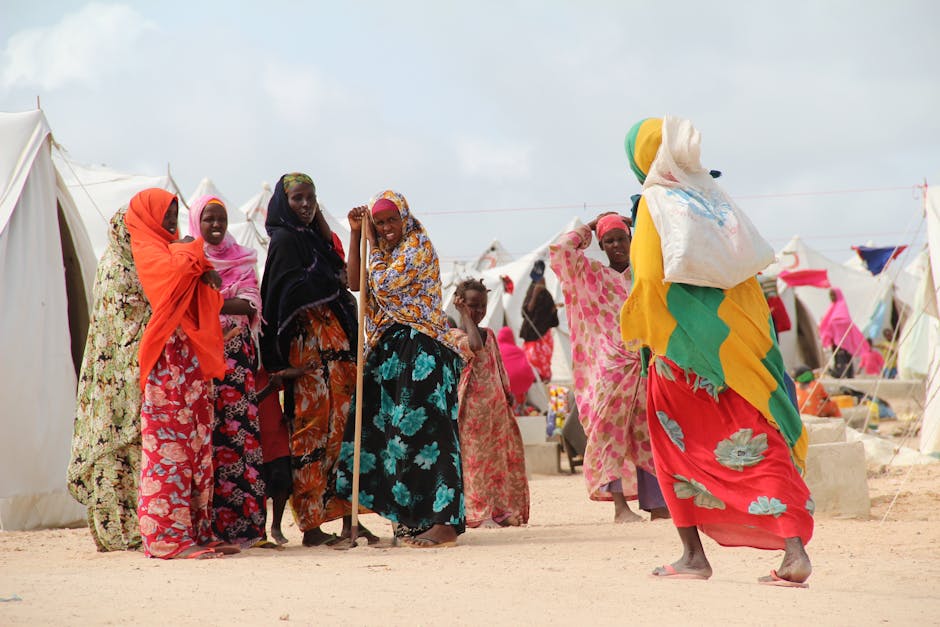
The scale and coordination of recent attacks in Mali are unprecedented, with clashes between the Malian army and rebel groups reported in cities across the country. The violence has resulted in significant displacement and injury, with many civilians caught in the crossfire. According to reports, the attacks are among the most severe in recent years, prompting concerns about the stability of the region. The international community is watching with bated breath as the situation continues to unfold, with many calling for calm and restraint. The Malian government has vowed to restore order, but the task ahead will be daunting.
Background to the Conflict

The current situation in Mali is a culmination of years of simmering tensions between the government and rebel groups. The country has struggled with instability and violence since 2012, when a military coup created a power vacuum that was exploited by extremist groups. Despite international intervention and support, the Malian army has struggled to assert control over the entire country, with many areas remaining under the influence of rebel groups. The recent attacks are a significant escalation of the conflict, and it remains to be seen how the government and international community will respond. The situation is complex, with multiple factions and interests at play, making a resolution difficult to achieve.
The Attacks: What Happened

The recent attacks in Mali began with a series of coordinated assaults on military outposts and government buildings in several cities. The rebel groups, which include both Islamist extremists and separatist militants, appear to have been well-organized and well-equipped, catching the Malian army off guard. The violence has been intense, with reports of heavy gunfire and explosions in multiple locations. The Malian army has responded with force, but the situation remains fluid, with clashes ongoing in several areas. The international community has condemned the attacks, with many calling for an immediate cessation of hostilities and a return to negotiations.
Analysis of the Situation
Analysis of the situation in Mali suggests that the recent attacks are a result of a combination of factors, including a surge in extremist activity and a breakdown in relations between the government and rebel groups. The Malian army has been struggling to assert control over the country, and the recent attacks may be an attempt by rebel groups to exploit this weakness. The situation is also complicated by the presence of external actors, including international terrorist organizations and neighboring countries with their own interests in the region. Experts warn that the situation could escalate further, with potentially devastating consequences for the region. The international community will need to take a coordinated and sustained approach to address the crisis and support the Malian government in its efforts to restore stability.
Implications of the Conflict
The implications of the conflict in Mali are far-reaching, with potential consequences for the entire region. The violence has already resulted in significant displacement and injury, with many civilians caught in the crossfire. The situation also has the potential to destabilize neighboring countries, which could have a knock-on effect on regional security. The international community is watching with concern, with many calling for a swift and decisive response to the crisis. The Malian government will need to take a comprehensive approach to address the roots of the conflict, including poverty, inequality, and lack of access to basic services. The situation is complex, but a negotiated settlement and a commitment to peace and reconciliation offer the best hope for a lasting resolution.
Expert Perspectives
Experts have differing views on the situation in Mali, with some calling for a military response to the recent attacks and others advocating for a negotiated settlement. Some analysts believe that the key to resolving the conflict lies in addressing the root causes of the violence, including poverty and inequality. Others argue that a more robust military response is needed to assert control over the country and prevent further attacks. The situation is complex, and there are no easy answers, but most experts agree that a coordinated and sustained approach will be needed to address the crisis and support the Malian government in its efforts to restore stability.
Looking ahead, the situation in Mali remains uncertain, with many questions unanswered. Will the government be able to assert control over the country, or will the rebel groups continue to gain ground? What role will the international community play in addressing the crisis, and will a negotiated settlement be possible? The answers to these questions will depend on a variety of factors, including the actions of the Malian government, the response of the international community, and the willingness of rebel groups to engage in negotiations. One thing is certain, however: the situation in Mali will require close attention and a sustained commitment to peace and reconciliation if a lasting resolution is to be achieved.