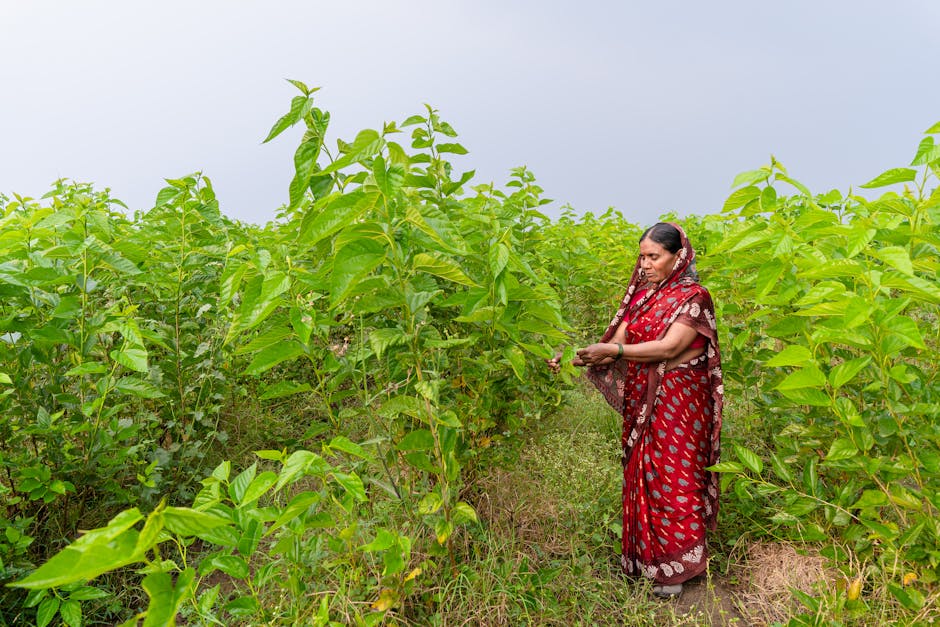
- India’s silk production has surged by over 20% in the last five years due to the adoption of new technologies.
- Traditional farming practices are being replaced by advanced sericulture techniques, making the industry more efficient.
- The global demand for silk is on the rise, positioning India to become a major player in the industry.
- New technologies and methods are attracting a new generation of entrepreneurs to the Indian silk industry.
- Scientists and researchers are turning to silk farming, bringing expertise and innovation to the industry.
India’s silk industry is undergoing a significant transformation, with the country’s silk production increasing by over 20% in the last five years. This surge in production is not just due to traditional farming practices, but also the adoption of new technologies that are making the industry more efficient and productive. From scientists turning to silk farming to the use of advanced sericulture techniques, India’s silk industry is experiencing a renaissance. With the global demand for silk on the rise, India is well-positioned to become a major player in the industry, and the country’s entrepreneurs and farmers are eager to capitalize on this opportunity.
The Changing Face of Sericulture

The Indian silk industry has traditionally been dominated by small-scale farmers who have been practicing sericulture for generations. However, with the advent of new technologies and techniques, the industry is becoming more sophisticated and attractive to a new generation of entrepreneurs. Many scientists and researchers are turning to silk farming, bringing with them a deep understanding of the latest technologies and methods. This influx of new talent and expertise is helping to drive innovation and growth in the industry, and is playing a key role in India’s emergence as a major silk-producing nation. As the industry continues to evolve, it is likely that we will see even more exciting developments and advancements in the years to come.
Key Players and Innovations

Several key players are driving the growth and innovation in India’s silk industry. The Central Silk Board, a government agency responsible for promoting the development of the sericulture industry, has been instrumental in introducing new technologies and techniques to farmers. Private companies, such as those specializing in silk production and processing, are also playing a major role in the industry’s growth. Additionally, research institutions and universities are working to develop new breeds of silkworms and more efficient methods of sericulture. These innovations are not only increasing production and efficiency but also improving the quality of Indian silk, making it more competitive in the global market. As a result, Indian silk is becoming increasingly sought after by fashion designers and textile manufacturers around the world.
Analysis and Insights
The growth of India’s silk industry can be attributed to a combination of factors, including government support, technological advancements, and increasing demand for silk globally. The Indian government has implemented several initiatives to promote the development of the sericulture industry, including providing financial support to farmers and investing in research and development. The adoption of new technologies, such as advanced sericulture techniques and automated processing systems, has also improved efficiency and productivity in the industry. Furthermore, the increasing demand for silk from countries such as China and Japan has created new opportunities for Indian silk producers to export their products. As the industry continues to grow and evolve, it is likely that we will see even more exciting developments and innovations in the years to come.
Implications and Opportunities
The growth of India’s silk industry has significant implications for the country’s economy and trade. As the industry continues to expand, it is likely to create new job opportunities and stimulate economic growth in rural areas. Additionally, the increasing demand for Indian silk globally is likely to lead to an increase in exports, which could have a positive impact on the country’s trade balance. The industry’s growth also presents opportunities for entrepreneurs and investors, who can capitalize on the growing demand for silk by investing in sericulture and silk production. As the industry continues to evolve, it is likely that we will see new and innovative products and applications for silk, further increasing its value and appeal to consumers around the world.
Expert Perspectives
Experts in the industry are optimistic about the future of India’s silk industry, citing the country’s potential to become a major player in the global market. According to Dr. Ramesh Kumar, a sericulture expert, “India has the potential to become one of the world’s leading silk-producing nations, with the right combination of technology, innovation, and government support.” However, others have expressed concerns about the environmental and social impacts of the industry’s growth, highlighting the need for sustainable and responsible practices. As the industry continues to grow and evolve, it is likely that we will see a range of different perspectives and opinions on its development and future direction.
Looking to the future, the key question is how India’s silk industry will continue to evolve and grow in the coming years. Will the country be able to maintain its position as a major silk-producing nation, or will other countries emerge as competitors? How will the industry balance its growth with the need for sustainability and social responsibility? As the industry continues to navigate these challenges and opportunities, one thing is clear: India’s silk renaissance is just beginning, and it will be exciting to see what the future holds for this ancient and fascinating industry.