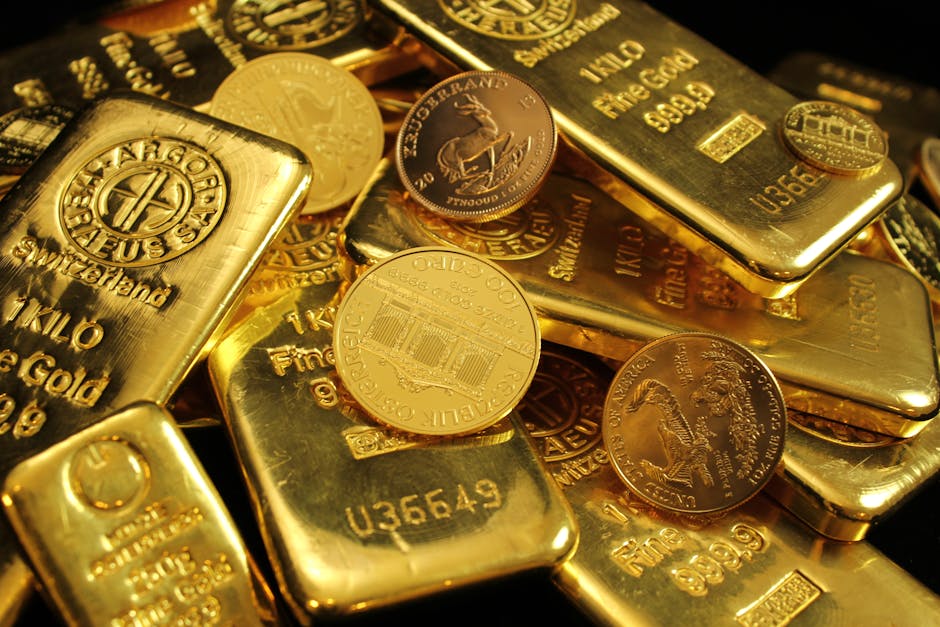
- U.S. government gold reserves may include gold sourced from foreign pawn shops and drug cartels, highlighting potential supply chain vulnerabilities.
- The U.S. Mint has been purchasing gold from third-party suppliers, which may lead to the inclusion of illicitly obtained gold in the country’s reserves.
- Regulations designed to prevent the trade of illicit goods are insufficient, as evidenced by the connection between U.S. gold and drug cartels.
- The provenance of U.S. gold reserves is in question, raising serious ethical and financial concerns.
- The complexity of global supply chains makes it difficult to trace the origins of the gold used in U.S. government reserves.
The United States holds the world’s largest gold reserves, with over 8,000 tons of the precious metal stored in vaults across the country. But a shocking investigation has revealed that some of this gold may have originated from unexpected and illicit sources, including foreign pawn shops and even drug cartels. In a stunning example of the complexities of global supply chains, reporters have traced the path of U.S. government gold to a notorious Mexican drug cartel, raising serious questions about the provenance of the country’s gold reserves and the effectiveness of regulations designed to prevent the trade in illicit goods.
Uncovering the Truth Behind U.S. Gold Reserves

The story of how U.S. government gold ended up being tied to a drug cartel begins with a closer look at the supply chains that feed the U.S. Mint, the institution responsible for producing the country’s coins and storing its gold reserves. Despite the Mint’s claims that its gold is sourced from domestic suppliers, a deeper examination of the facts reveals a more complex and troubling picture. It appears that the Mint has been buying gold from foreign pawn shops and other third-party suppliers, which in turn have been sourcing their gold from a variety of dubious sources, including drug dealers and other criminal organizations. This raises serious concerns about the integrity of the U.S. gold reserves and the potential for illicit goods to be laundered through the global financial system.
Following the Money Trail

Reporters began their investigation by tracing the supply chains of gold sold to the U.S. Mint, following a trail of clues that led from the Mint’s headquarters in Washington, D.C. to a network of foreign pawn shops and gold traders. Along the way, they encountered a cast of characters including shady gold dealers, corrupt government officials, and even members of notorious drug cartels. As they dug deeper, they discovered that some of the gold being sold to the Mint was being sourced from a Mexican drug cartel, which had been using the proceeds from its gold sales to fund its illicit activities. The investigation revealed a shocking lack of oversight and regulation in the gold trade, allowing illicit goods to be easily laundered and sold to unsuspecting buyers, including the U.S. government.
Analyzing the Causes and Consequences
The fact that U.S. government gold has been tied to a drug cartel raises serious questions about the effectiveness of regulations designed to prevent the trade in illicit goods. Experts point to a lack of transparency and oversight in the gold trade, which allows shady dealers to operate with impunity and launder their illicit proceeds through the global financial system. The consequences of this are far-reaching, with the potential for illicit goods to be used to fund terrorist activities, organized crime, and other nefarious purposes. Furthermore, the revelation that U.S. gold reserves may be tainted by illicit sources undermines confidence in the integrity of the global financial system and raises questions about the value and provenance of gold as a store of value.
Implications for the Global Economy
The implications of this investigation are significant, with potential consequences for the global economy and the integrity of the financial system. If the U.S. gold reserves are indeed tainted by illicit sources, it could undermine confidence in the value of gold as a store of value and raise questions about the effectiveness of regulations designed to prevent the trade in illicit goods. Furthermore, the revelation that drug cartels and other criminal organizations are able to launder their proceeds through the gold trade raises serious concerns about the potential for illicit goods to be used to fund terrorist activities and other nefarious purposes. As the investigation continues to unfold, it is likely that there will be significant repercussions for the global economy and the gold trade, with potential consequences for investors, governments, and other stakeholders.
Expert Perspectives
Experts are weighing in on the implications of the investigation, with some calling for greater transparency and oversight in the gold trade. “The fact that U.S. government gold has been tied to a drug cartel is a shocking revelation that highlights the need for greater regulation and oversight in the gold trade,” said one expert. “We need to ensure that the gold trade is transparent and free from illicit activity, and that those involved in the trade are held to the highest standards of integrity and accountability.” Others, however, argue that the investigation is an isolated incident and that the gold trade is generally a legitimate and well-regulated industry. “While this investigation is certainly troubling, it is important not to jump to conclusions or make sweeping generalizations about the gold trade as a whole,” said another expert. “We need to take a nuanced and evidence-based approach to addressing the issues raised by this investigation and ensuring that the gold trade is operating with the highest standards of integrity and transparency.”
As the investigation continues to unfold, there are many unanswered questions about the scope and significance of the findings. What other illicit sources of gold may be feeding into the U.S. gold reserves? How widespread is the problem of illicit gold trading, and what are the potential consequences for the global economy? As experts and regulators scramble to respond to the revelations, one thing is clear: the gold trade will never be seen in the same way again, and the implications of this investigation will be felt for years to come. The question on everyone’s mind is: what’s next? Will the U.S. government take steps to address the issue and ensure that its gold reserves are free from illicit sources, or will the problem continue to persist? Only time will tell, but one thing is certain: the investigation into the U.S. gold reserves has opened a Pandora’s box, and there is no going back.