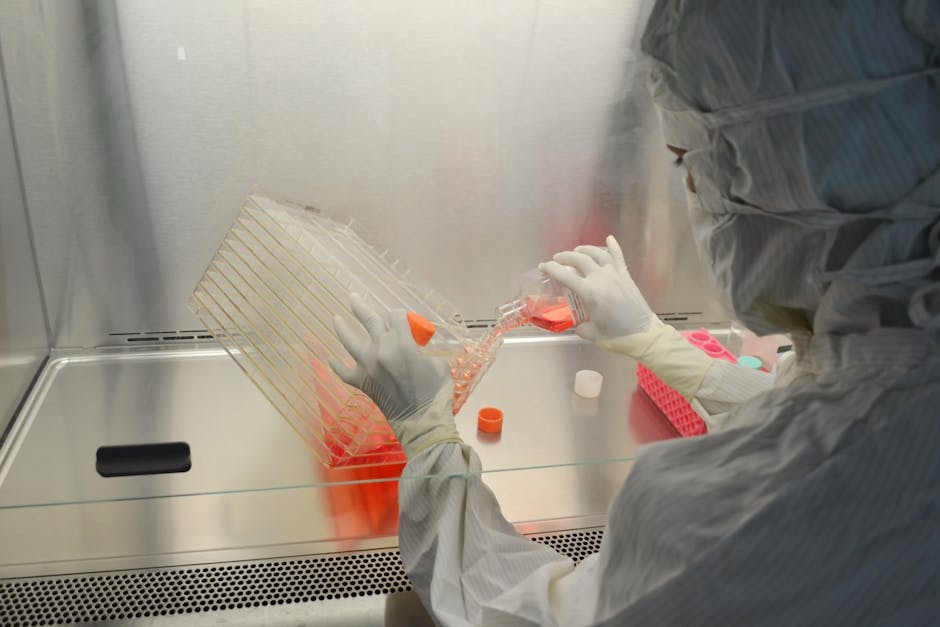
- Gene therapy involves making targeted changes to a person’s genome to treat or cure diseases.
- Luxturna therapy has been successfully used to restore vision in individuals with certain types of inherited blindness.
- Gene therapy is a rapidly advancing medical field with promising results in ophthalmology.
- Gene editing has the potential to revolutionize the treatment of inherited diseases.
- Access, affordability, and ethics are crucial considerations for gene therapy treatments.
A striking example of medical innovation, a 6-year-old girl named Saffie has regained her sight thanks to a groundbreaking gene therapy treatment. This remarkable breakthrough has been hailed as nothing short of miraculous by her family, with her mother describing the outcome as if “someone waved a magic wand”. The therapy, known as Luxturna, was administered at the renowned Great Ormond Street Hospital in London, underscoring the institution’s commitment to pioneering medical advancements. As news of Saffie’s recovery spreads, it ignites hope for the countless individuals and families affected by inherited blindness, highlighting the profound impact of gene therapy on the future of ophthalmic care.
Understanding the Context

The successful treatment of Saffie’s condition comes at a pivotal moment in the field of gene therapy, which has been steadily advancing over the past decade. Gene therapy involves making targeted changes to a person’s genome to treat or cure diseases, and its application in ophthalmology has shown particularly promising results. The fact that Luxturna therapy can restore vision in individuals with certain types of inherited blindness not only underscores the potential of gene editing but also raises important questions about access, affordability, and the ethical considerations surrounding such treatments. As the medical community continues to explore the possibilities of gene therapy, cases like Saffie’s serve as powerful reminders of the human impact of these advancements.
The Treatment and Its Implications

The specifics of Saffie’s treatment involve the Luxturna gene therapy, which is designed to treat a rare form of inherited blindness caused by mutations in the RPE65 gene. This condition leads to severe visual impairment and often progresses to complete blindness. The therapy works by delivering a healthy copy of the RPE65 gene directly to the retina, thereby restoring the patient’s ability to produce the protein necessary for normal vision. The procedure is complex, requiring careful preparation and execution by a team of specialized healthcare professionals. The involvement of Great Ormond Street Hospital in Saffie’s treatment highlights the institution’s role at the forefront of pediatric care and its dedication to providing cutting-edge treatments to its patients.
Analyzing the Outcomes
The restoration of Saffie’s sight through gene therapy offers a compelling case study for analyzing the causes, effects, and broader implications of such treatments. From a medical standpoint, the success of Luxturna in treating inherited blindness can be attributed to its ability to address the root cause of the condition at a genetic level. This not only improves the patient’s quality of life but also prevents the progression of the disease. Moreover, the data emerging from successful gene therapy treatments contribute significantly to our understanding of genetic diseases and how they can be effectively managed or cured. Expert analysis suggests that while there are challenges to overcome, including the high cost of these therapies and the need for further research into their long-term effects, the potential benefits cannot be overstated.
Looking to the Future
The implications of Saffie’s successful treatment are far-reaching, affecting not just her and her family but also the broader community of individuals living with inherited blindness. As gene therapies like Luxturna become more accessible, they are likely to significantly alter the landscape of ophthalmic care, offering new hope to those who previously had limited or no treatment options. However, it is also important to consider the equitable distribution of these advancements, ensuring that they are available to all who could benefit from them, regardless of geographical or socioeconomic factors. The story of Saffie’s recovery serves as a powerful testament to the potential of medical science to transform lives and as a reminder of the work that remains to be done in making such breakthroughs universally accessible.
Expert Perspectives
Experts in the field of gene therapy and ophthalmology have welcomed Saffie’s successful treatment as a significant milestone, highlighting both the promise and the challenges associated with these therapies. While some have cautioned about the need for ongoing research into the long-term safety and efficacy of gene therapies, others have emphasized their potential to revolutionize the treatment of genetic diseases. The contrasting viewpoints underscore the complexity of the issues at hand and the need for a nuanced discussion about the role of gene therapy in modern medicine. As the medical community continues to explore and debate these issues, the experiences of patients like Saffie will remain at the forefront, reminding us of the human face behind the science.
Looking forward, the key question is what the future holds for gene therapy and its application in treating inherited conditions. As research and development continue to advance, we can expect to see more treatments like Luxturna becoming available. The open question, however, remains how these breakthroughs will be integrated into standard care practices and made accessible to those in need. The answer will depend on a combination of factors, including scientific progress, regulatory approvals, and societal commitments to healthcare accessibility. For now, Saffie’s story stands as a beacon of hope, illuminating the path toward a future where gene therapy can transform the lives of countless individuals around the world.