The art of filmmaking has long been a delicate balance of creative vision and audience engagement. With the rise of immersive technologies, filmmakers are constantly seeking new ways to captivate their viewers. A groundbreaking project at Bristol University is poised to revolutionize the industry by uncovering the secret to creating truly immersive films. By tracking brain activity, heart rate, and other physiological responses, researchers aim to provide directors with invaluable insights to craft more engaging stories and take greater risks in their storytelling.
Unveiling the Cinema Lab

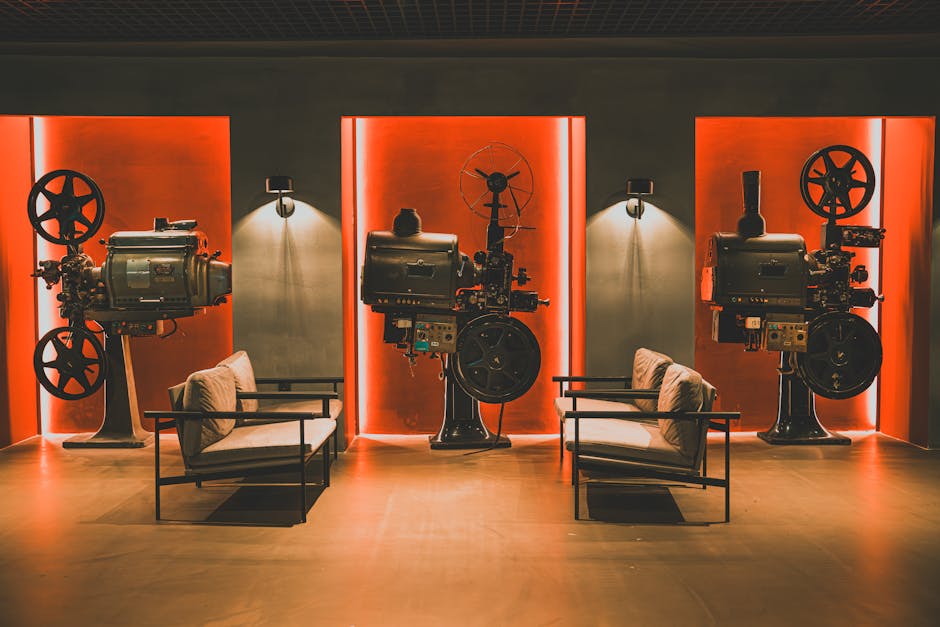
Nestled within the University of Bristol, the cinema lab is an unassuming yet cutting-edge facility that resembles a high-end cinema. Equipped with state-of-the-art technology, including a 4K projector and surround sound system, this unique space is designed to simulate a real-world cinematic experience. However, what sets it apart is the array of sensors and monitoring equipment that track viewers’ physiological responses in real-time. From brain activity and heart rate to blinking patterns and fidgeting, every aspect of the viewer’s experience is meticulously recorded and analyzed.
Delving into the Science of Immersion

At the heart of the project lies a fascination with the human brain’s response to visual stimuli. By combining data from various sources, including functional near-infrared spectroscopy (fNIRS) and electrocardiography (ECG), researchers can pinpoint the exact moments when viewers become fully engaged or disengaged from the narrative. This granular understanding of audience response enables filmmakers to refine their craft, making data-driven decisions to enhance the overall cinematic experience. With one prominent director already on board, the project is poised to make a tangible impact on the film industry.
Unraveling the Mysteries of Engagement
As researchers continue to collect and analyze data, a complex picture of viewer engagement begins to emerge. The findings suggest that immersion is not solely dependent on grand, sweeping scenes or expensive special effects. Rather, it is the subtle, nuanced moments – a character’s glance, a whispered conversation, or a fleeting glimpse of scenery – that often prove most captivating. By identifying these pivotal moments, filmmakers can learn to craft more effective narratives, weaving together a rich tapestry of sound, image, and emotion that draws viewers in and refuses to let go.
Far-Reaching Implications
The potential implications of this research extend far beyond the realm of filmmaking. As our understanding of human engagement and immersion deepens, we may uncover new insights into the very nature of storytelling itself. The findings could inform the development of more effective advertising strategies, enhance the design of immersive exhibits and installations, and even influence the creation of interactive experiences in fields such as gaming and virtual reality. As the boundaries between art, science, and technology continue to blur, the cinema lab at Bristol University stands at the forefront of a revolution that promises to redefine the way we experience and interact with stories.
Expert Perspectives
While some experts hail the project as a groundbreaking leap forward, others express caution, warning that an over-reliance on data could stifle creativity and homogenize the filmmaking process. As one critic notes, ‘The danger lies in reducing the complexities of human emotion to a series of quantifiable metrics, potentially sacrificing the very essence of art in the process.’ In contrast, proponents argue that the data-driven approach will liberate filmmakers, empowering them to take bold risks and push the boundaries of their craft.
As the cinema lab continues to yield new insights and discoveries, one question remains: what does the future hold for this innovative project? Will it herald a new era of immersive storytelling, or will it succumb to the pitfalls of data-driven creativity? As researchers and filmmakers alike await the next breakthrough, one thing is certain – the art of filmmaking will never be seen in the same light again.