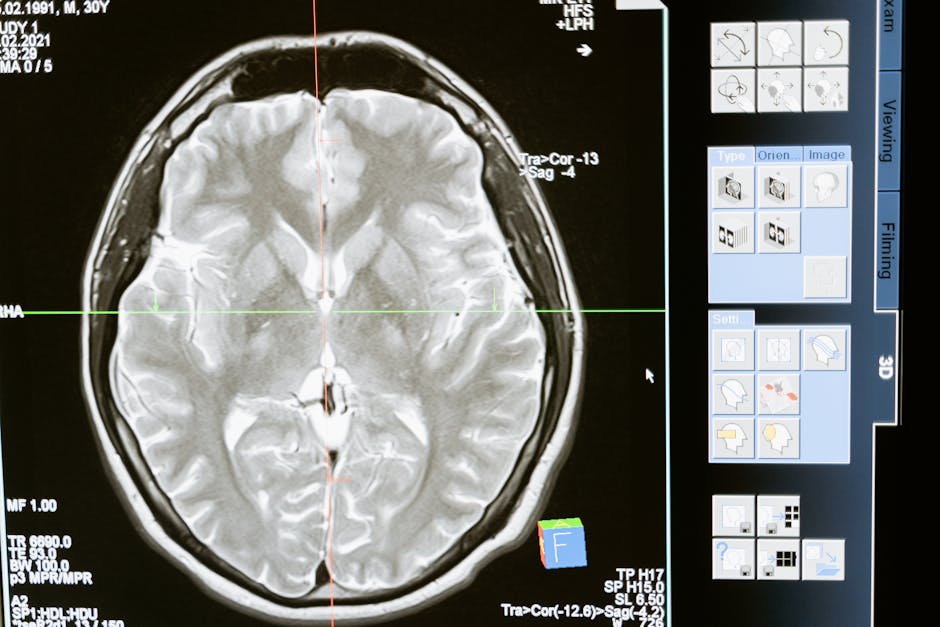
- Bespoke treatment plans can reverse symptoms of early dementia through personalized care.
- Addressing nutritional deficiencies, infections, and environmental exposures can improve dementia symptoms.
- Dementia treatment is shifting from symptom management to addressing underlying causes with bespoke plans.
- Personalized medicine offers new hope for those affected by cognitive decline and their families.
- Understanding individual needs is crucial for effective dementia treatment and improved patient outcomes.
A striking fact has emerged in the field of dementia research: symptoms of early dementia can be reversed through bespoke treatment plans tailored to the individual’s specific needs. This groundbreaking finding has significant implications for the millions of people worldwide affected by cognitive decline. A recent study demonstrated that by addressing personal nutritional deficiencies, ongoing infections, and environmental exposures, patients with early-stage dementia experienced notable improvements in their symptoms. This personalized approach challenges the conventional view that dementia is an irreversible condition, offering new hope for those affected and their families.
Understanding the Complexity of Dementia

The complexity of dementia as a condition is multifaceted, involving a combination of genetic, environmental, and lifestyle factors. As the global population ages, the incidence of dementia is expected to rise, making it one of the most significant health challenges of the 21st century. Despite extensive research, the causes of dementia remain not fully understood, and current treatments primarily focus on managing symptoms rather than addressing the underlying causes. The emergence of bespoke treatment plans as a potential solution marks a pivotal shift in how dementia is approached, emphasizing the importance of personalized medicine in improving patient outcomes.
Key Elements of Bespoke Treatment Plans

The bespoke treatment plans that have shown promise in reversing symptoms of early dementia are comprehensive and multifaceted. They involve a detailed assessment of the patient’s nutritional status, identification of any ongoing infections, and an evaluation of environmental exposures that may be contributing to cognitive decline. Based on this assessment, a tailored intervention is developed, which may include dietary changes, supplements to address nutritional deficiencies, antimicrobial treatments for infections, and strategies to reduce exposure to harmful environmental factors. The personalized nature of these plans allows for a targeted approach, addressing the unique factors contributing to each patient’s condition.
Analyzing the Outcomes and Implications
Analysis of the outcomes from these bespoke treatment plans reveals a significant improvement in cognitive function among patients with early dementia. The data suggest that by addressing the root causes of cognitive decline, it is possible to not only halt the progression of dementia but also to reverse some of the symptoms. This finding has profound implications for our understanding of dementia and how it should be treated. It underscores the need for a more holistic and personalized approach to healthcare, one that takes into account the intricate interplay between genetic, environmental, and lifestyle factors. Furthermore, it highlights the importance of early intervention, as the effectiveness of these plans is greatest when implemented in the early stages of cognitive decline.
Implications for Patients and Healthcare Systems
The implications of these findings are far-reaching, affecting not only patients with dementia but also their families and the healthcare systems that support them. For patients, the possibility of reversing symptoms offers a new lease on life, allowing them to maintain their independence and quality of life for longer. For families, it means lessening the burden of caregiving and the emotional toll of watching a loved one decline. For healthcare systems, it suggests a potential reduction in the long-term costs associated with dementia care, as well as an opportunity to reimagine how care is delivered, focusing more on prevention and early intervention.
Expert Perspectives
Experts in the field of dementia research welcome these findings as a significant breakthrough, highlighting the potential of personalized medicine to transform our approach to dementia. However, they also caution that more research is needed to fully understand the mechanisms behind these improvements and to ensure that bespoke treatment plans can be effectively implemented on a larger scale. Some experts argue that while these plans show promise, they must be considered as part of a broader strategy that includes public health initiatives to reduce the risk of dementia and support for caregivers. Others emphasize the need for increased funding to support further research into the causes of dementia and the development of more effective treatments.
Looking forward, the key question is how to translate these findings into practice, making bespoke treatment plans accessible to all those who could benefit from them. This will require collaboration between healthcare providers, researchers, and policymakers to develop guidelines for the implementation of personalized approaches to dementia care. Additionally, there is a need for public awareness campaigns to educate people about the importance of early intervention and the potential benefits of bespoke treatment plans. As research continues to unravel the complexities of dementia, one thing is clear: the future of dementia care is personalized, and it holds the promise of improving the lives of millions of people worldwide.