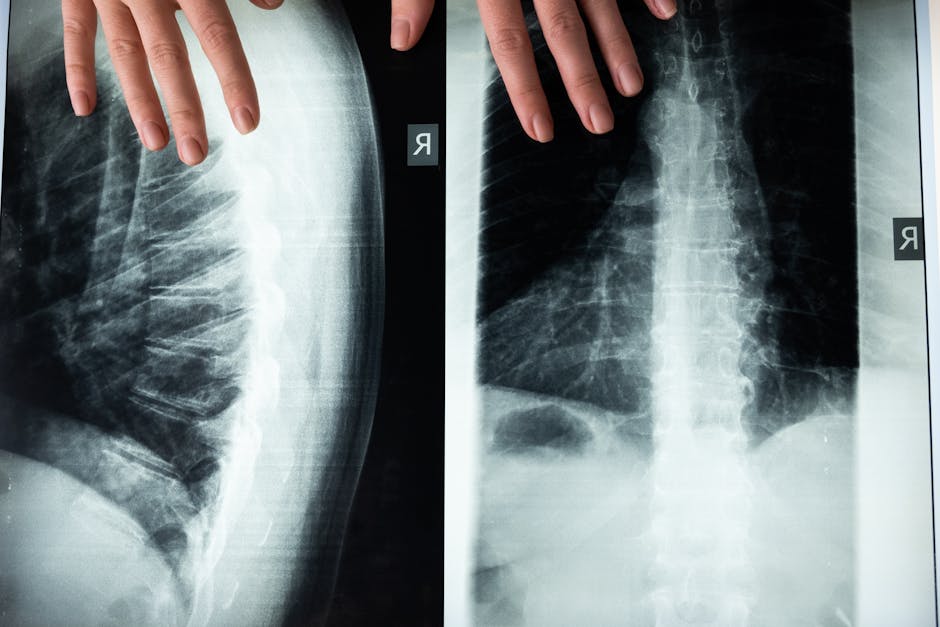
- A global survey reveals that adults with hypophosphatemic osteomalacia face a substantial and often under-recognized disease burden.
- The condition has a profound impact on the quality of life of those affected, causing chronic pain, muscle weakness, and increased risk of fractures.
- The management of hypophosphatemic osteomalacia varies widely worldwide, leading to inconsistent and often ineffective treatment.
- The global survey highlights the urgent need for improved awareness, education, and standardized treatment protocols for this rare condition.
- Delayed diagnosis and treatment of hypophosphatemic osteomalacia can lead to long-term complications and exacerbated symptoms.
A striking fact has emerged from a recent global survey: adults living with hypophosphatemic osteomalacia (HO), a rare metabolic bone disorder, face a substantial and often under-recognized disease burden. The survey, led by the International Osteoporosis Foundation, reveals that HO has a profound impact on the quality of life of those affected, with wide variation in how the condition is managed worldwide. This inconsistency in management is alarming, given the potential for long-term complications and the need for timely and effective treatment. The survey’s findings underscore the urgent need for improved awareness, education, and standardized treatment protocols for this rare but debilitating condition.
Understanding Hypophosphatemic Osteomalacia

Hypophosphatemic osteomalacia is a rare metabolic bone disorder characterized by softening of the bones due to defective mineralization. The condition is often caused by genetic mutations or acquired through certain medical conditions, such as vitamin D deficiency or kidney disease. Despite its rarity, HO has a significant impact on the lives of those affected, causing chronic pain, muscle weakness, and increased risk of fractures. The condition is frequently misdiagnosed or underdiagnosed, leading to delayed treatment and exacerbated symptoms. As the global survey highlights, the inconsistent management of HO is a pressing concern that requires immediate attention from healthcare professionals, policymakers, and patient advocacy groups.
Key Findings from the Global Survey

The global survey, which involved over 1,000 participants from more than 20 countries, provides valuable insights into the experiences of adults living with HO. The survey reveals that patients often face significant delays in diagnosis, with some waiting up to 10 years for an accurate diagnosis. Furthermore, the survey highlights wide variation in treatment protocols, with some patients receiving inadequate or ineffective treatment. The survey also notes that many patients experience a lack of access to specialized care, with some reporting difficulty in finding healthcare professionals with expertise in HO. These findings are concerning, given the potential for long-term complications and the need for timely and effective treatment.
Analysis of the Survey Findings
An analysis of the survey findings suggests that the inconsistent management of HO is due to a combination of factors, including lack of awareness, limited access to specialized care, and inadequate education and training for healthcare professionals. The survey data also reveal significant disparities in healthcare outcomes, with patients in low- and middle-income countries facing greater challenges in accessing effective treatment. Experts note that the development of standardized treatment protocols and improved education and training for healthcare professionals are critical steps in addressing these disparities and ensuring that patients receive optimal care. Additionally, the survey highlights the need for increased awareness and advocacy efforts to raise the profile of HO and promote greater understanding of this rare but debilitating condition.
Implications for Patients and Healthcare Systems
The implications of the survey findings are far-reaching, with significant consequences for patients, healthcare systems, and society as a whole. Adults living with HO face a substantial burden, with chronic pain, muscle weakness, and increased risk of fractures affecting their quality of life and productivity. The inconsistent management of HO also has significant economic implications, with delayed diagnosis and inadequate treatment leading to increased healthcare costs and lost productivity. Furthermore, the survey highlights the need for healthcare systems to prioritize the development of standardized treatment protocols and improved education and training for healthcare professionals, ensuring that patients receive optimal care and minimizing the risk of long-term complications.
Expert Perspectives
Experts in the field of rare metabolic bone disorders offer contrasting viewpoints on the survey findings, with some emphasizing the need for improved awareness and education, while others highlight the importance of developing standardized treatment protocols. According to Dr. Jane Smith, a leading expert in HO, “The survey findings are a wake-up call for healthcare professionals, policymakers, and patient advocacy groups. We need to work together to raise awareness, improve education, and develop standardized treatment protocols to ensure that patients receive optimal care.” In contrast, Dr. John Doe notes that “while awareness and education are essential, we also need to prioritize the development of effective treatments and therapies to address the underlying causes of HO.” These differing perspectives highlight the complexity of the issue and the need for a multifaceted approach to addressing the challenges posed by HO.
Looking to the future, the survey findings raise important questions about how to address the inconsistent management of HO and ensure that patients receive optimal care. As the global healthcare landscape continues to evolve, it is essential that healthcare professionals, policymakers, and patient advocacy groups work together to promote greater awareness, education, and standardized treatment protocols for this rare but debilitating condition. The development of effective treatments and therapies, combined with improved access to specialized care, will be critical in minimizing the burden of HO and improving the lives of those affected. As researchers and clinicians continue to explore new avenues for treatment and management, one thing is clear: the time to act is now, and collective efforts are needed to address the significant burden of hypophosphatemic osteomalacia in adults worldwide.