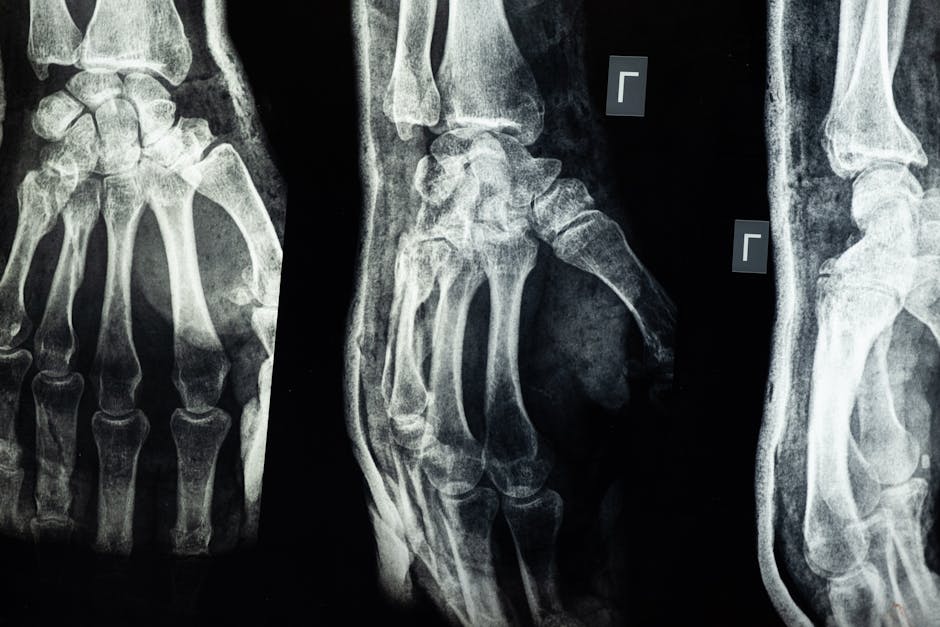
- A new Swedish study reveals that fracture risk estimates are overinflated by 30%, potentially leading to unnecessary treatments.
- The current FRAX model relies on outdated data from the 1990s, which fails to account for demographic changes and healthcare improvements.
- The overestimation of fracture risk could result in overmedication and wastage of healthcare resources.
- Researchers from the University of Gothenburg advocate for an updated tool to accurately assess osteoporotic fracture risk.
- A more accurate fracture risk assessment tool is crucial for optimizing healthcare resource allocation and patient care.
Fracture risk assessment in Sweden has taken a significant leap forward, with a new study from the University of Gothenburg revealing that the current risk estimates are overinflated. This overestimation, based on outdated data, could lead to unnecessary treatments and misallocations of healthcare resources. The study, published in the Journal of Bone and Mineral Research, highlights the need for a more accurate and up-to-date tool to assess the 10-year risk of osteoporotic fractures, particularly as demographic changes and improvements in healthcare have altered the landscape.
The Outdated FRAX Model

The Fracture Risk Assessment Tool (FRAX) is a widely used algorithm that calculates the 10-year probability of hip fracture and major osteoporotic fractures (vertebral, forearm, hip, or shoulder) based on clinical risk factors. However, the Swedish version of FRAX relies on data from the 1990s, a period marked by significantly different population demographics and healthcare practices. The overestimation of fracture risk, as identified by the University of Gothenburg study, underscores the critical need for updating the model to reflect current conditions and prevent overmedication and resource wastage.
New Findings from the University of Gothenburg

Researchers at the University of Gothenburg conducted a comprehensive analysis of fracture incidence and population data from recent years, comparing it with the data used in the current Swedish FRAX model. They found that the risk of fractures has decreased substantially over the past three decades, particularly in younger age groups. The study involved a large cohort of over 100,000 individuals, providing robust evidence that the current risk thresholds are no longer valid. The findings suggest that by implementing age-based thresholds, the tool can better identify those truly at risk, leading to more targeted and effective treatments.
Updating the FRAX Model for Better Accuracy
The overestimation of fracture risk has significant implications for healthcare policy and practice. According to the study, the current FRAX model in Sweden overestimates the 10-year risk of hip fractures by up to 30% in certain age groups. This discrepancy is attributed to the outdated data, which does not account for improvements in bone health, changes in lifestyle, and advancements in medical care. The researchers propose updating the model with the latest data, which would not only improve accuracy but also help in the allocation of healthcare resources to those who need them most. The updated model could reduce the number of people receiving unnecessary treatment, thereby lowering healthcare costs and improving patient outcomes.
Implications for Younger Patients
The most notable impact of the updated FRAX model is on younger patients, who are currently being overestimated in terms of fracture risk. By introducing age-based thresholds, the tool can more accurately predict the risk of fractures in different age groups, ensuring that younger individuals receive appropriate care without being overmedicated. This change could also lead to a more personalized approach to osteoporosis management, where treatments are tailored to the specific needs and risk profiles of individual patients, potentially reducing the overall burden of osteoporotic fractures in the population.
Expert Perspectives
Dr. Anna Nilsson, lead author of the study, emphasizes the importance of updating risk assessment tools to reflect current data. “The healthcare system must adapt to demographic changes and advancements in medical science,” she states. Conversely, Dr. Lars Berglund, a senior orthopedic surgeon, cautions against rapid changes, suggesting a phased approach to implementation to ensure that all patient groups are adequately considered.
As the healthcare community continues to debate the best approach to updating the FRAX model, the question remains: How can we balance the need for accurate risk assessment with the potential risks of overhauling a widely used tool? The coming years will be crucial in determining the path forward and ensuring that patients receive the most effective and personalized care.