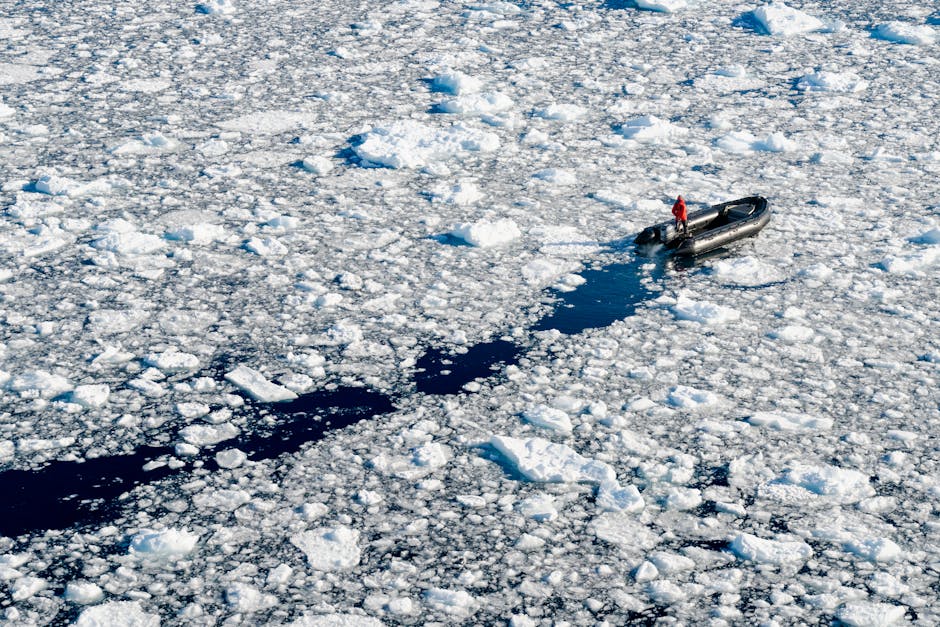
Doug Allan, the legendary polar cameraman whose remarkable footage of Arctic and Antarctic wildlife has captivated audiences worldwide, died on October 12, 2023, at the age of 74. Allan’s ability to capture intimate and candid scenes of penguins, polar bears, and other cold-weather creatures, often under extreme conditions, set a new standard for wildlife cinematography. His contributions to documentaries such as the BBC’s “Blue Planet” and “Frozen Planet” series have not only educated millions but also inspired a deeper appreciation for the fragile ecosystems of the polar regions.
The Legacy of a Polar Pioneer

Allan’s career spanned over four decades, during which he revolutionized wildlife filming by pushing the boundaries of what was possible in some of the most inhospitable environments on Earth. His unique blend of scientific knowledge, technical expertise, and physical endurance enabled him to bring the natural world to life in ways that had never been seen before. His work often required him to endure freezing temperatures, harsh weather, and long periods of isolation, but the results were nothing short of breathtaking. The footage he captured not only showcased the beauty and resilience of polar animals but also highlighted the critical issues facing these regions due to climate change.
A Life Dedicated to Capturing the Unseen

Born in Scotland in 1949, Doug Allan began his career as a marine biologist, which gave him a deep understanding of the animals he would later film. His transition to wildlife photography and cinematography was driven by a desire to share his scientific insights with a broader audience. Allan’s most notable work includes his footage of polar bears hunting seals, penguins sliding on their bellies, and the intricate social dynamics of arctic foxes. His ability to get close to these animals without disturbing them was a testament to his patience and respect for nature. Over the years, he collaborated with some of the most respected names in wildlife filmmaking, including Sir David Attenborough.
Innovative Techniques and Unwavering Dedication
Allan’s innovative techniques and unwavering dedication to his craft set him apart from his peers. He was known for his meticulous preparation, spending months researching and planning each shot. His use of advanced camera technology, such as underwater drones and time-lapse photography, allowed him to capture scenes that were previously impossible to film. One of his most famous shots, a polar bear emerging from the sea to hunt a seal, required him to lie motionless in the icy water for hours. This level of commitment and skill earned him numerous awards, including multiple BAFTAs and an Emmy.
The Impact of His Work
Doug Allan’s work has had a profound impact on both the scientific community and the general public. His footage has been instrumental in raising awareness about the effects of climate change on polar regions. By showcasing the daily struggles and survival tactics of polar animals, he highlighted the urgent need for conservation efforts. His documentaries have also inspired a new generation of wildlife filmmakers and scientists, who now strive to capture the natural world with the same level of detail and respect. The legacy of his work extends beyond the screen, influencing policy and public opinion on environmental issues.
Expert Perspectives
“Doug Allan’s contributions to wildlife cinematography are unparalleled,” said Dr. Jane Goodall, renowned primatologist and conservationist. “His ability to connect with the audience through his lens has been a driving force in the conservation movement.” Sir David Attenborough, with whom Allan worked extensively, added, “Doug’s passion and dedication to his craft were evident in every frame he captured. He was a true artist and a friend to the natural world.”
As we mourn the loss of Doug Allan, the question remains: Who will carry the torch for polar wildlife cinematography in the future? The challenges of filming in these regions are only increasing, and the need for compelling and accurate representations of the natural world has never been more critical. Allan’s legacy will undoubtedly inspire the next generation of filmmakers to continue his work, but his unique combination of skills and experiences will be hard to replace.