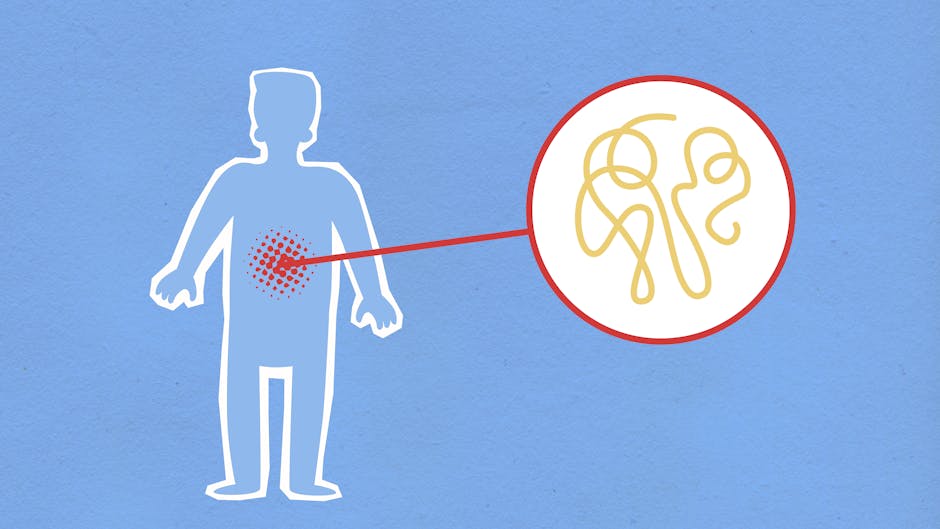
- Beans are a nutritious food rich in protein, fiber, and essential vitamins and minerals, making them an attractive addition to a balanced diet.
- A staggering 75% of people experience gas and discomfort after consuming beans due to their high fiber and sugar content.
- The primary sugar culprit behind bean-induced gas is raffinose, which is not fully digested in the small intestine.
- Beans contain compounds like fiber, phytates, and lectins that can contribute to gas, particularly in people with IBS or other digestive issues.
- Several methods can help reduce bean-induced gas, including proper preparation, cooking, and combining beans with other foods.
Beans are one of the most versatile and nutritious foods available, providing a rich source of protein, fiber, and essential vitamins and minerals. However, their high fiber and sugar content can also make them a formidable foe for our digestive systems, often resulting in uncomfortable gas and bloating. In fact, a staggering 75% of people experience some level of gas and discomfort after consuming beans, making them one of the most notorious gas-causing foods. Despite this, beans remain a staple in many cuisines around the world, and their numerous health benefits make them an attractive addition to a balanced diet.
The Science Behind Bean-Induced Gas

The primary culprit behind bean-induced gas is a type of sugar called raffinose, which is not fully digested in the small intestine. As raffinose makes its way to the large intestine, it is fermented by bacteria, producing gas and causing bloating and discomfort. Additionally, beans contain a number of other compounds that can contribute to gas, including fiber, phytates, and lectins. While these compounds are not inherently bad, they can be difficult for some people to digest, particularly those with irritable bowel syndrome (IBS) or other digestive issues. As a result, many people are left wondering if there is a way to enjoy the nutritional benefits of beans without the uncomfortable side effects.
Methods for Reducing Bean Gas

Fortunately, there are several methods that can help reduce the gas-causing effects of beans. One of the most effective ways is to soak beans before cooking, which can help to break down some of the raffinose and other indigestible compounds. Additionally, cooking beans with certain spices, such as cumin and coriander, has been shown to reduce gas production. Some people also swear by adding a small amount of baking soda to the cooking water, which can help to neutralize some of the acidic compounds that contribute to gas. Furthermore, there are a number of products available that contain enzymes specifically designed to break down raffinose and other gas-causing compounds, making it easier to enjoy beans without the discomfort.
The Role of Gut Bacteria in Bean Digestion
Recent research has also highlighted the important role that gut bacteria play in bean digestion. It appears that certain types of bacteria, such as those in the Bifidobacterium and Lactobacillus genera, are able to break down raffinose and other indigestible compounds, reducing gas production and alleviating symptoms. This has led to the development of probiotic supplements and other products that contain these beneficial bacteria, which may help to improve bean digestion and reduce gas. Additionally, a healthy gut microbiome has been shown to be essential for overall digestive health, and incorporating beans into a balanced diet may actually help to promote the growth of beneficial bacteria.
Implications for Public Health
The ability to reduce bean-induced gas has significant implications for public health, particularly in regions where beans are a staple food. In many developing countries, beans are a primary source of protein and nutrition, and the discomfort associated with their consumption can be a major barrier to their adoption. By developing effective methods for reducing bean gas, it may be possible to increase the consumption of this nutritious food, improving overall health and well-being. Furthermore, the reduction of bean-induced gas could also have economic benefits, as it may reduce the need for healthcare services and improve productivity.
Expert Perspectives
Experts in the field of nutrition and digestive health have weighed in on the issue of bean-induced gas, offering a range of perspectives on the best ways to reduce its effects. Some recommend a gradual introduction to beans, allowing the gut microbiome to adapt and reducing the likelihood of discomfort. Others suggest that certain types of beans, such as pinto or black beans, may be less gas-causing than others, such as kidney or navy beans. Additionally, some experts recommend the use of probiotic supplements or other products that contain beneficial bacteria, which may help to improve bean digestion and reduce gas.
As research continues to uncover the complexities of bean digestion and the role of gut bacteria, it is likely that new and innovative methods for reducing bean-induced gas will emerge. In the meantime, individuals can take steps to enjoy the nutritional benefits of beans while minimizing their uncomfortable side effects. By incorporating some of the methods outlined above, such as soaking and cooking beans with spices, and maintaining a healthy gut microbiome, it may be possible to make beans a comfortable and enjoyable part of a balanced diet. As the old adage goes, “an apple a day keeps the doctor away,” but perhaps it’s time to add “a bean a day” to our dietary repertoire, with the knowledge that we can reduce their gas-causing effects and reap their numerous health benefits.