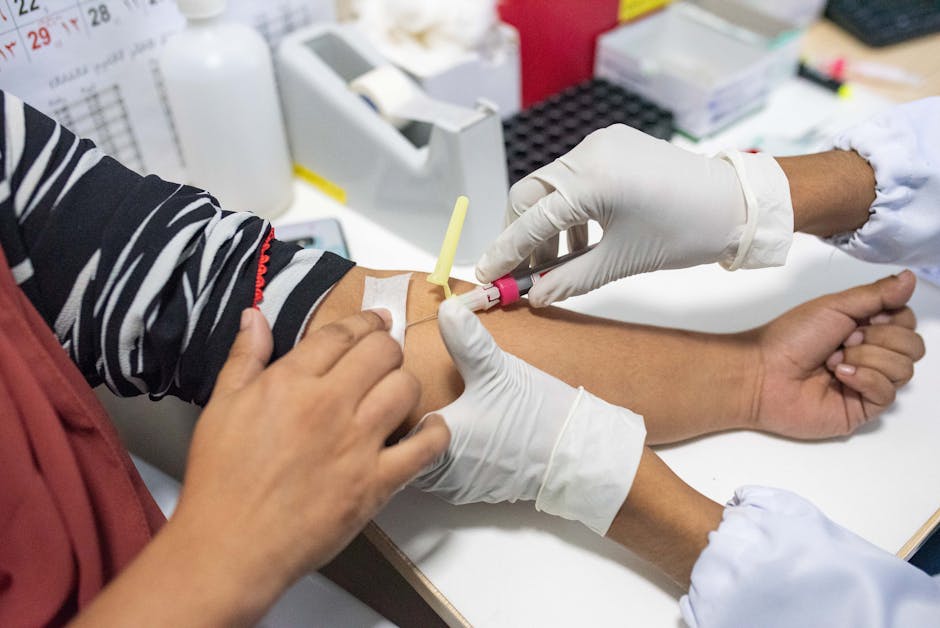
- Zambia’s H.I.V. infection rates have increased by over 10% due to U.S. funding cuts.
- The U.S. government’s decision to reduce H.I.V. assistance has left thousands without access to life-saving treatment.
- Zambia, once a model for H.I.V. treatment and prevention, is now witnessing a disturbing resurgence of AIDS.
- U.S. funding cuts have forced many H.I.V. clinics to scale back operations, exacerbating the crisis.
- Hundreds of thousands of lives in Zambia are at risk due to inadequate funding for global H.I.V. initiatives.
Zambia, a country that was once hailed as a model for its successful H.I.V. treatment and prevention programs, is now witnessing a disturbing resurgence of AIDS. According to recent statistics, the number of new H.I.V. infections has increased by over 10% in the past year alone, with many blaming the decline on the significant cuts to U.S. assistance for H.I.V. programs. This alarming trend has sparked widespread concern among health experts and officials, who warn that the progress made in combating the disease over the past two decades is now under threat. With hundreds of thousands of lives at risk, the situation in Zambia serves as a stark reminder of the devastating consequences of inadequate funding for global health initiatives.
The Impact of U.S. Funding Cuts

The United States had been a major contributor to Zambia’s H.I.V. treatment and prevention efforts, providing millions of dollars in funding each year. However, in a move that has been widely criticized by health experts, the U.S. government announced significant cuts to its H.I.V. assistance programs in Zambia last year. The cuts, which were part of a broader effort to reduce foreign aid, have had a devastating impact on the country’s ability to provide essential services to those affected by the disease. As a result, many H.I.V. clinics have been forced to scale back their operations, leaving thousands of people without access to life-saving treatment and care. The timing of the cuts could not have been worse, coming as they did at a time when Zambia was making significant progress in reducing the incidence of H.I.V. and improving the health outcomes of those living with the disease.
Key Developments in the Crisis

The crisis in Zambia’s H.I.V. treatment and prevention system is a complex one, with multiple factors contributing to the decline in services. One of the main challenges facing health officials is the shortage of essential medicines, including antiretroviral drugs. The shortage, which is attributed to the funding cuts, has forced many clinics to ration their supplies, leaving some patients without access to the treatment they need. Furthermore, the cuts have also led to a reduction in the number of healthcare workers, making it even more difficult for clinics to provide adequate care to those affected by the disease. The situation is particularly dire in rural areas, where access to healthcare services is already limited. As the crisis deepens, there are growing concerns that the progress made in combating H.I.V. in Zambia over the past two decades will be lost, and that the disease will once again become a major public health threat.
Analysis of the Crisis
Health experts point to several factors that have contributed to the resurgence of AIDS in Zambia, including the funding cuts, the shortage of essential medicines, and the reduction in healthcare workers. However, they also emphasize that the crisis is not just a matter of funding, but also of leadership and commitment. The Zambian government, they argue, must take a more active role in addressing the crisis, including by increasing its own funding for H.I.V. programs and working to improve the efficiency and effectiveness of its healthcare system. Furthermore, the international community, including the United States, must also recognize the importance of continued support for global health initiatives, particularly in countries like Zambia that are struggling to combat the disease. By working together, it may still be possible to reverse the decline in Zambia’s H.I.V. treatment and prevention system and get the country back on track in its efforts to combat the disease.
Implications of the Crisis
The implications of the crisis in Zambia’s H.I.V. treatment and prevention system are far-reaching and devastating. If the situation is not addressed, hundreds of thousands of people will be at risk of contracting the disease, and many will die as a result. The crisis will also have significant economic and social impacts, as families and communities are affected by the loss of loved ones and the burden of caring for those who are sick. Furthermore, the crisis will also undermine the progress that has been made in reducing poverty and improving health outcomes in Zambia, and will likely have a ripple effect throughout the region. As such, it is essential that the Zambian government, the international community, and civil society organizations work together to address the crisis and ensure that those affected by the disease have access to the treatment and care they need.
Expert Perspectives
Health experts and officials are unanimous in their condemnation of the funding cuts, which they argue have had a disastrous impact on Zambia’s H.I.V. treatment and prevention system. “The cuts have been a major setback for our efforts to combat H.I.V. in Zambia,” said one health official. “We are now seeing a resurgence of the disease, and it is clear that we need urgent action to address the crisis.” Others have emphasized the need for a more sustainable and equitable approach to funding global health initiatives, one that recognizes the importance of continued support for countries like Zambia that are struggling to combat the disease. As one expert noted, “The crisis in Zambia is a wake-up call for the international community, a reminder that the fight against H.I.V. is far from over, and that we must continue to work together to ensure that those affected by the disease have access to the treatment and care they need.”
Looking to the future, it is clear that much work needs to be done to address the crisis in Zambia’s H.I.V. treatment and prevention system. The Zambian government, the international community, and civil society organizations must work together to increase funding for H.I.V. programs, improve the efficiency and effectiveness of the healthcare system, and ensure that those affected by the disease have access to the treatment and care they need. As the situation continues to unfold, one thing is certain: the fight against H.I.V. in Zambia is far from over, and it will require the continued commitment and support of all stakeholders to ensure that the progress made in combating the disease is not lost.