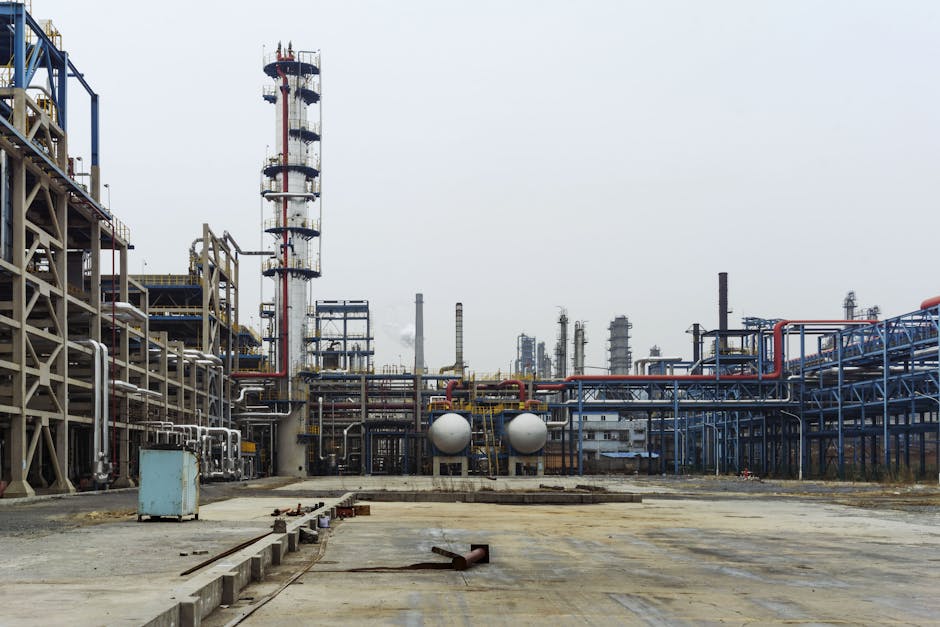
- The US has imposed sanctions on China’s Hengli Petrochemical refinery for allegedly buying Iranian oil in defiance of US sanctions.
- The move marks a new front in the US campaign to curb Iran’s oil exports and revenue, generating hundreds of millions for Iran’s military.
- China’s ‘teapot’ refineries have become a major force in the global oil market, taking advantage of loopholes in the US sanctions regime.
- The Hengli refinery is one of the largest and most prominent ‘teapot’ refineries, accused of being a major buyer of Iranian oil.
- The US sanctions aim to shut down the trade and prevent Iran from accessing the global oil market, affecting the global balance of power.
The United States has imposed sanctions on a Chinese refinery, Hengli Petrochemical, for allegedly purchasing Iranian oil in defiance of US sanctions. The move is a significant escalation of tensions between Washington and Beijing, and marks a new front in the US campaign to curb Iran’s oil exports and revenue. According to the US Treasury, the Hengli refinery has generated hundreds of millions of dollars for Iran’s military, which has been accused of sponsoring terrorism and destabilizing the Middle East. The sanctions are likely to have far-reaching consequences for the global oil market and the geopolitical balance of power in the region.
The Rise of China’s ‘Teapot’ Refineries

China’s ‘teapot’ refineries, so-called because of their small size and independent operations, have become a major force in the global oil market in recent years. These refineries, which are often privately owned and operated, have been able to take advantage of loopholes in the US sanctions regime to purchase Iranian oil at discounted prices. The Hengli refinery, which is one of the largest and most prominent of these ‘teapot’ refineries, has been accused of being a major buyer of Iranian oil, and has generated significant revenue for the Iranian government. The US sanctions are an attempt to shut down this trade and prevent Iran from accessing the global oil market.
The US Sanctions Regime

The US sanctions on the Hengli refinery are part of a broader effort by the Trump administration to curb Iran’s oil exports and revenue. The US has imposed severe sanctions on Iran’s oil sector, including a ban on the purchase of Iranian oil by foreign companies. The sanctions have had a significant impact on Iran’s economy, which is heavily dependent on oil exports. The US has also imposed sanctions on other companies and individuals accused of helping Iran to evade these sanctions, including Chinese and Russian companies. The Hengli refinery is the latest target of these sanctions, and its inclusion on the US sanctions list is likely to have significant consequences for the company and the global oil market.
Analysis of the Sanctions
The imposition of sanctions on the Hengli refinery is a significant escalation of tensions between the US and China, and marks a new front in the US campaign to curb Iran’s oil exports and revenue. The sanctions are likely to have far-reaching consequences for the global oil market, including higher prices and reduced supply. The US has accused China of helping Iran to evade sanctions, and has imposed sanctions on several Chinese companies and individuals in recent years. The Hengli refinery is the latest target of these sanctions, and its inclusion on the US sanctions list is likely to have significant consequences for the company and the global oil market. The sanctions are also likely to have significant geopolitical implications, including increased tensions between the US and China, and potentially even a broader conflict in the Middle East.
Implications of the Sanctions
The implications of the sanctions on the Hengli refinery are far-reaching and significant. The sanctions are likely to have a major impact on the global oil market, including higher prices and reduced supply. The US has accused China of helping Iran to evade sanctions, and has imposed sanctions on several Chinese companies and individuals in recent years. The Hengli refinery is the latest target of these sanctions, and its inclusion on the US sanctions list is likely to have significant consequences for the company and the global oil market. The sanctions are also likely to have significant geopolitical implications, including increased tensions between the US and China, and potentially even a broader conflict in the Middle East. The US has made it clear that it will continue to impose sanctions on any company or individual that helps Iran to evade sanctions, and the Hengli refinery is just the latest example of this policy in action.
Expert Perspectives
Experts have weighed in on the implications of the sanctions, with some arguing that they will have a significant impact on the global oil market and others arguing that they will have limited effect. Some have argued that the sanctions will drive up oil prices and reduce supply, while others have argued that the market will adapt and find new sources of oil. The US has made it clear that it will continue to impose sanctions on any company or individual that helps Iran to evade sanctions, and the Hengli refinery is just the latest example of this policy in action. The sanctions are a significant escalation of tensions between the US and China, and mark a new front in the US campaign to curb Iran’s oil exports and revenue.
The forward-looking implications of the sanctions are significant, and it remains to be seen how the global oil market will respond. The US has made it clear that it will continue to impose sanctions on any company or individual that helps Iran to evade sanctions, and the Hengli refinery is just the latest example of this policy in action. The sanctions are a significant escalation of tensions between the US and China, and mark a new front in the US campaign to curb Iran’s oil exports and revenue. As the situation continues to unfold, it will be important to watch for any further developments and to consider the potential implications for the global oil market and the geopolitical balance of power in the region.