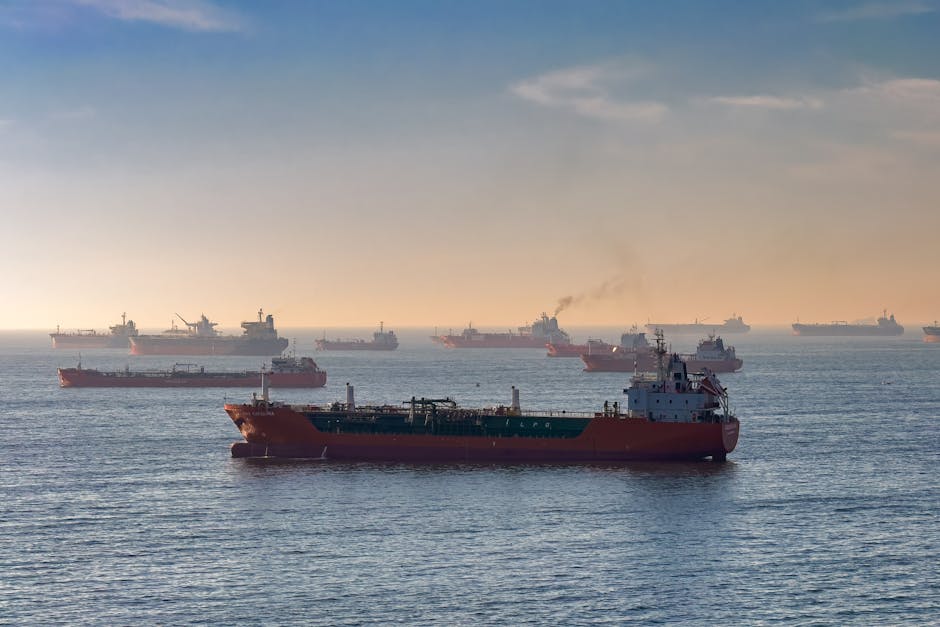
The global oil market is on the verge of an unprecedented crisis, with prices surging over 10% in recent weeks amid escalating tensions between the US and Iran. The president of Sankey Research, a leading oil analyst, has warned that the next few months will be an “ongoing, absolute disaster” for the oil market, even if the Strait of Hormuz, a critical oil shipping route, opens tomorrow. This stark prediction has sent shockwaves through the industry, with many experts warning of a potential global economic downturn.
The Strait of Hormuz: A Critical Chokepoint

The Strait of Hormuz, which connects the Persian Gulf to the Gulf of Oman, is one of the most critical oil shipping routes in the world, with over 20% of global oil production passing through it. The recent closure of the strait has had a devastating impact on the global oil market, with prices skyrocketing and many countries facing severe shortages. The US-Iran conflict has brought the region to the brink of war, with many experts warning that the situation could escalate further, leading to a prolonged closure of the strait and a catastrophic impact on the global economy.
Rising Tensions and Oil Price Volatility

The US-Iran conflict has been escalating for months, with both sides engaging in a war of words and a series of tit-for-tat attacks. The recent downing of a US drone by Iran has raised tensions to a boiling point, with many experts warning of a potential military confrontation. The oil market has been highly volatile, with prices surging and falling rapidly in response to each new development. The situation has been further complicated by the involvement of other regional players, including Saudi Arabia and the UAE, which have been seeking to exploit the situation to their advantage.
Expert Analysis: Causes and Effects
According to experts, the current crisis in the oil market is the result of a combination of factors, including the US-Iran conflict, the closure of the Strait of Hormuz, and a series of production cuts by major oil producers. The situation has been further complicated by a series of geopolitical events, including the US withdrawal from the Iran nuclear deal and the imposition of sanctions on Iranian oil exports. The effects of the crisis have been far-reaching, with many countries facing severe shortages and skyrocketing prices. The global economy has also been impacted, with many experts warning of a potential downturn.
Implications for the Global Economy
The implications of the oil market crisis for the global economy are severe. Many countries, including the US, China, and India, are heavily reliant on imported oil, and a prolonged disruption to supplies could have a devastating impact on their economies. The situation has also raised concerns about the potential for inflation, with many experts warning that the surge in oil prices could lead to a sharp increase in prices for other goods and services. The crisis has also raised questions about the stability of the global financial system, with many experts warning of a potential credit crunch.
Expert Perspectives
Experts are divided on the potential outcome of the crisis, with some warning of a catastrophic collapse of the oil market and others predicting a more gradual decline. According to one expert, “the situation is highly unpredictable, and it’s difficult to predict what will happen next.” Another expert warned that “the crisis has the potential to be a game-changer for the global economy, and it’s essential that policymakers take immediate action to mitigate its effects.”
As the situation continues to unfold, one thing is certain: the next few months will be critical for the oil market and the global economy. With the US-Iran conflict showing no signs of easing, and the Strait of Hormuz remaining closed, the potential for a disaster is very real. As one expert noted, “the question is no longer if, but when, the crisis will hit, and how severe it will be.” The world will be watching with bated breath as the situation continues to unfold, and the potential consequences for the global economy are assessed.