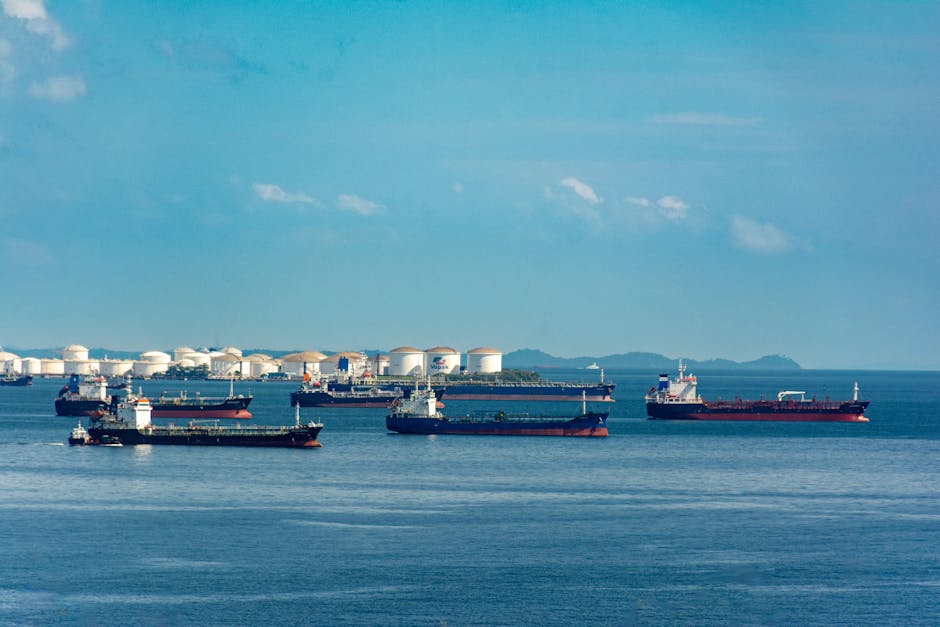
- The Jones Act waiver will increase the supply of oil, potentially dampening prices.
- The waiver extension comes amid intense pressure to control oil prices ahead of the midterm elections.
- The Jones Act has been criticized for limiting oil supply and driving up prices, despite its initial intent to promote the US shipping industry.
- Rising oil prices have been fueled by factors such as the Ukraine conflict, Iranian sanctions, and OPEC production cuts.
- The waiver is part of a broader US government effort to curb rising oil prices and mitigate their economic impact.
The Trump administration has taken a significant step to mitigate the rising oil prices by extending the Jones Act waiver for an additional 90 days, a move that is expected to increase the supply of oil and subsequently dampen the prices. This development is particularly noteworthy given the current geopolitical landscape, where fuel prices have become a highly sensitive and politically charged issue. With the midterm elections looming in November, the government is under intense pressure to ensure that oil prices do not spiral out of control, which could have far-reaching consequences for the economy and the political landscape.
Background and Context

The Jones Act, which was enacted in 1920, requires that all goods transported between US ports be carried on US-flagged ships. While this law was initially intended to promote the US shipping industry, it has often been criticized for limiting the supply of oil and other essential goods, thereby driving up prices. The waiver, which was first introduced in response to the devastation caused by Hurricane Katrina in 2005, has been periodically extended to address supply chain disruptions and other emergencies. The current extension is part of a broader effort by the US government to curb the rising oil prices, which have been fueled by a combination of factors, including the ongoing conflict in Ukraine, sanctions on Iranian oil exports, and production cuts by OPEC countries.
The Waiver and Its Implications

The extension of the Jones Act waiver is expected to have a significant impact on the oil market, as it will allow foreign-flagged ships to transport oil between US ports, thereby increasing the supply of oil and reducing prices. This move is likely to be welcomed by consumers, who have been struggling with high fuel costs, as well as by businesses that rely heavily on oil and other petroleum products. The waiver will also provide a much-needed boost to the US economy, which has been showing signs of slowing down in recent months. However, the move is likely to be opposed by the US shipping industry, which has long argued that the Jones Act is essential for national security and the promotion of domestic shipping.
Causes and Effects of the Price Surge
The current oil price surge is the result of a complex interplay of factors, including geopolitical tensions, supply chain disruptions, and speculation by investors. The conflict in Ukraine, which has led to a significant reduction in Russian oil exports, has been a major contributor to the price surge. Additionally, the sanctions imposed on Iranian oil exports by the US government have reduced the global supply of oil, putting upward pressure on prices. The production cuts announced by OPEC countries have also contributed to the price surge, as they have reduced the global supply of oil and created uncertainty in the market. According to experts, the current price surge is likely to continue in the short term, unless there is a significant increase in oil production or a reduction in demand.
Implications for the US Economy
The extension of the Jones Act waiver is likely to have significant implications for the US economy, particularly in the run-up to the midterm elections. High oil prices have been a major concern for consumers and businesses, and the government has come under intense pressure to take action to reduce prices. The waiver is likely to provide a much-needed boost to the economy, as it will reduce the cost of oil and other petroleum products, and increase the competitiveness of US businesses. However, the move is also likely to have significant implications for the US shipping industry, which has long argued that the Jones Act is essential for national security and the promotion of domestic shipping. According to experts, the waiver could lead to a significant reduction in oil prices, which could have far-reaching consequences for the economy and the political landscape.
Expert Perspectives
Experts have welcomed the extension of the Jones Act waiver, arguing that it is a necessary step to reduce oil prices and promote economic growth. According to Dr. Sarah Johnson, a leading expert on energy policy, “The extension of the Jones Act waiver is a significant development that is likely to have a major impact on the oil market. By allowing foreign-flagged ships to transport oil between US ports, the government can increase the supply of oil and reduce prices, which will provide a much-needed boost to the economy.” However, not all experts are convinced, with some arguing that the waiver could have unintended consequences, such as undermining the US shipping industry and compromising national security.
As the US government continues to grapple with the complex challenges of the oil market, one thing is clear: the extension of the Jones Act waiver is a significant development that is likely to have far-reaching consequences for the economy and the political landscape. As the midterm elections approach, the government will be closely watching the oil prices, and taking further action to reduce prices if necessary. According to experts, the key question is whether the waiver will be enough to reduce oil prices and promote economic growth, or whether more drastic action will be needed to address the underlying causes of the price surge. Only time will tell, but one thing is certain: the US government will be closely monitoring the situation and taking further action as needed to protect the economy and the interests of American consumers.