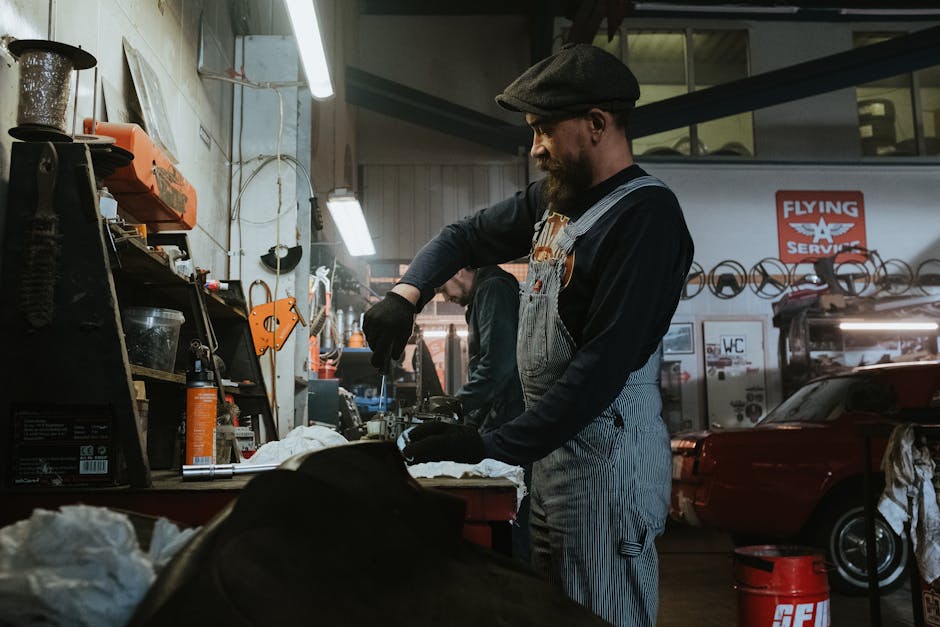
- 20 US states have introduced ‘right to repair’ legislation to break the captive repair economy.
- The right to repair movement spans various industries, including cars, phones, and tractors.
- Lawmakers and consumers are pushing for change to address affordability and competition issues.
- Manufacturers’ control over repair and maintenance is no longer tenable in the digital age.
- The right to repair intersects with broader discussions on economic policy and consumer protection.
A striking fact has emerged in the US economy: 20 states have introduced “right to repair” legislation, aiming to break the captive repair economy that has long dominated the market. This phenomenon is not limited to a specific industry; it spans from car and phone owners to tractor owners, all of whom are seeking to have more control over the repair and maintenance of their products. The momentum behind this movement is undeniable, with lawmakers and consumers alike pushing for change. As the US grapples with issues of affordability and competition, the right to repair has become a key talking point for politicians seeking to connect with voters.
The Rise of the Right to Repair Movement

This surge in support for right to repair legislation is not accidental; it is the culmination of years of frustration among consumers who feel that manufacturers have been dictating the terms of repair and maintenance. The issue is multifaceted, involving concerns over cost, accessibility, and environmental sustainability. As the economy continues to evolve, it is becoming increasingly clear that the traditional model of repair, where manufacturers hold significant control, is no longer tenable. With the rise of the digital age and the growing awareness of consumer rights, the push for reform is gaining significant traction. This movement matters now more than ever, as it intersects with broader discussions on economic policy, consumer protection, and environmental stewardship.
Key Players and Developments

The right to repair movement involves a diverse array of stakeholders, from individual consumers and small repair shops to large corporations and governmental bodies. Recent developments have seen major manufacturers facing scrutiny over their repair policies, with some companies being accused of deliberately designing products to be difficult to repair or recycle. Meanwhile, advocacy groups and lawmakers are working tirelessly to draft and pass legislation that would mandate greater access to repair information and parts. The automotive and electronics industries are at the forefront of this battle, with companies like Apple and John Deere being challenged over their repair restrictions. As the landscape continues to shift, it is clear that the outcome of this struggle will have far-reaching implications for both the economy and the environment.
Causes and Effects of the Captive Repair Economy
At the heart of the right to repair issue is the question of how the captive repair economy affects consumers and the broader economy. Critics argue that by limiting access to repair information and parts, manufacturers are able to exert significant control over the aftermarket, leading to higher costs for consumers and reduced competition among repair providers. This not only harms individual consumers but also has a negative impact on small businesses and local economies. Furthermore, the environmental effects of the captive repair economy are substantial, as the premature obsolescence of products contributes to waste and pollution. Experts point to data showing that extending the life of products through repair can significantly reduce electronic waste and lower carbon emissions. As policymakers delve deeper into the causes and effects of this issue, they are beginning to uncover a complex web of economic, social, and environmental factors that underscore the need for reform.
Implications for Consumers and Businesses
The implications of the right to repair movement are far-reaching, affecting not only individual consumers but also a wide range of businesses, from small repair shops to large manufacturers. For consumers, the ability to repair products more easily and affordably could lead to significant cost savings and an extension of the life of their belongings. This, in turn, could have a positive impact on household budgets and contribute to a more sustainable approach to consumption. For businesses, the right to repair could open up new opportunities for innovation and competition, potentially leading to the creation of new jobs and industries focused on repair, refurbishment, and recycling. However, manufacturers may face challenges in adapting to a new regulatory environment, which could require significant changes to their business models and operations.
Expert Perspectives
Experts in the field offer contrasting viewpoints on the right to repair, reflecting the complexity and multifaceted nature of the issue. Some argue that while the intent of right to repair legislation is laudable, the potential consequences for product safety and security must be carefully considered. Others believe that the benefits of increased competition and consumer choice outweigh these concerns, and that manufacturers can adapt their business models to thrive in a more open repair environment. As the debate continues, it is clear that finding a balance between competing interests will be crucial to the success of any reform efforts.
Looking ahead, the trajectory of the right to repair movement will be shaped by a combination of legislative actions, consumer demand, and technological advancements. One open question is how the push for right to repair will intersect with emerging trends in product design and circular economy principles. As policymakers, businesses, and consumers navigate this evolving landscape, they will need to address key challenges and opportunities, from ensuring the safety and security of repaired products to fostering innovation and competition in the repair sector. The outcome of this process will have significant implications for the future of consumption, production, and waste management, underscoring the need for a collaborative and forward-looking approach to resolving the issues at hand.