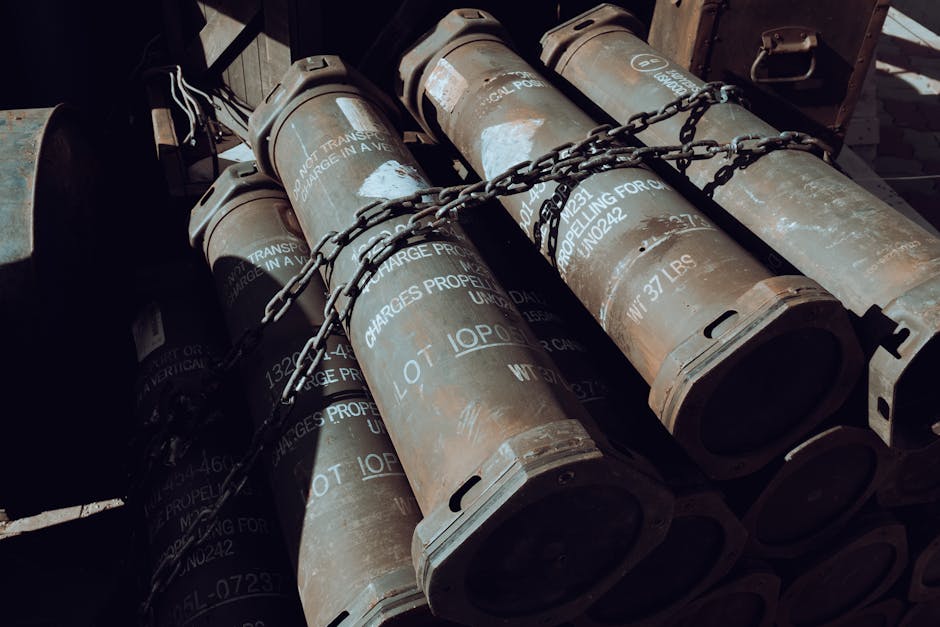
- The US military has reportedly exhausted nearly half of its advanced missile stockpile due to ongoing global conflicts.
- The missile shortage poses a near-term risk to the country’s defense capabilities and national security.
- Military planners are concerned that the current levels of munitions stockpiles are insufficient to support sustained operations.
- The Pentagon is working to rebuild stockpiles, but the process is complex and time-consuming.
- The missile shortage undermines the US military’s ability to quickly and effectively respond to emerging threats.
The United States military has potentially exhausted nearly half of its stockpile of advanced missiles, according to recent reports. This depletion has occurred amid ongoing global conflicts, raising concerns about the country’s ability to respond to future threats. The US Department of Defense has not publicly confirmed the exact extent of the shortage, but analysts warn that the diminished munitions stockpiles have created a near-term risk. The situation is being closely monitored as it could impact the nation’s defense capabilities.
Immediate Impact and Concerns

The immediate impact of the missile shortage is a significant concern for military planners, as it may constrain US operations in the event of a future conflict. Analysts have warned that the current levels of munitions stockpiles are insufficient to support sustained military operations, posing a risk to national security. The Pentagon is working to address the issue, but the process of rebuilding stockpiles is complex and time-consuming. The US military’s ability to respond quickly and effectively to emerging threats is critical, and the current shortage undermines this capability.
Background and Context

The depletion of the US military’s missile stockpiles can be attributed to the ongoing conflicts in various parts of the world. The prolonged engagement in these conflicts has resulted in a higher-than-anticipated usage of advanced missiles, leading to a shortage. The production of these missiles is a lengthy process, involving complex manufacturing and testing procedures. As a result, replenishing the stockpiles will take time, with estimates suggesting it could take up to 4 years to restore the inventory to adequate levels.
What to Watch
As the situation continues to unfold, the key development to watch will be the Pentagon’s efforts to accelerate the production of advanced missiles. The US Department of Defense may need to invest in new manufacturing technologies or partner with private contractors to expedite the process. Additionally, the military may need to reassess its strategy and tactics to mitigate the impact of the shortage. The coming months will be crucial in determining the effectiveness of these measures and the ability of the US military to recover from the current shortage.