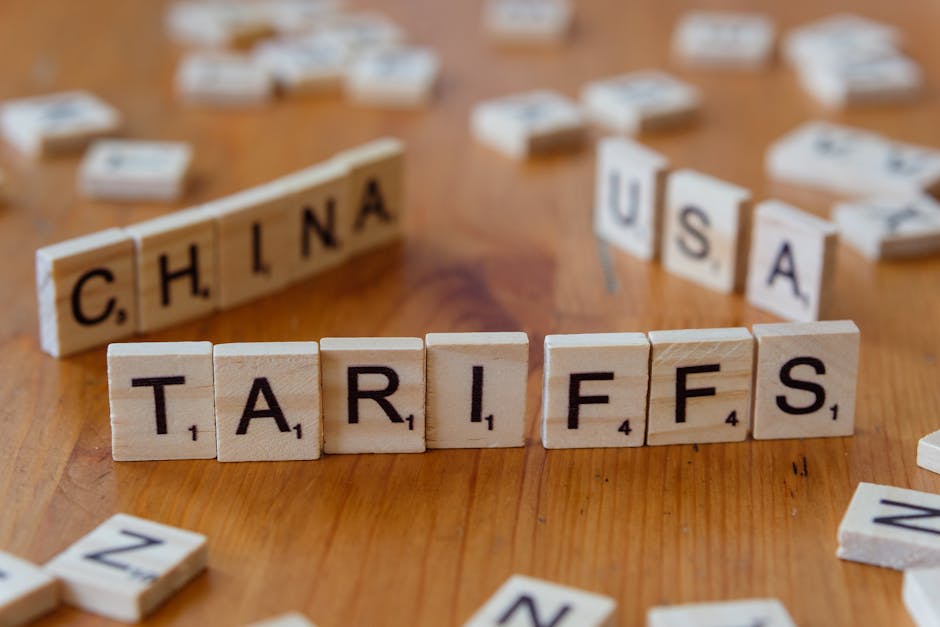
- The US has collected over $150 billion in tariffs since 2018, with most costs being passed on to consumers through higher prices.
- Tariff refunds are being paid to businesses, not the consumers who initially bore the cost, sparking controversy.
- Low-income households have been disproportionately affected by higher prices caused by tariffs, highlighting unfairness.
- Businesses are lobbying for tariff refunds, arguing they’ve increased costs and reduced competitiveness.
- The tariff refund policy lacks transparency and fairness, with some accusing a ‘reverse Robin Hood’ scenario.
The United States has collected over $150 billion in tariffs since 2018, with the majority of these costs being passed on to consumers through higher prices. However, a recent policy has sparked controversy over who benefits from these tariff refunds. It appears that the refunds are being paid to businesses, rather than the consumers who initially bore the cost. This has led to accusations of a reverse Robin Hood scenario, where the wealthy are being given a windfall at the expense of the poor.
The Tariff Refund Policy: A Closer Look

The tariff refund policy was introduced as a way to help businesses that had been affected by the tariffs. The idea was to provide relief to companies that had been forced to pay higher prices for imported goods, and to help them stay competitive in the global market. However, the policy has been criticized for its lack of transparency and fairness. Many argue that the refunds should be going to the consumers who paid the tariffs in the first place, rather than the businesses that are now receiving them. This is particularly true for low-income households, who have been disproportionately affected by the higher prices caused by the tariffs.
Key Players and Interests

The tariff refund policy has a number of key players and interests. Businesses, particularly those in the manufacturing and retail sectors, have been lobbying heavily for the refunds. They argue that the tariffs have increased their costs and reduced their competitiveness, and that the refunds are necessary to help them stay afloat. On the other hand, consumer advocacy groups have been critical of the policy, arguing that it is unfair and inequitable. They point out that consumers have already paid the tariffs, and that the refunds should be going to them, rather than the businesses. The US government has also been involved, with some lawmakers arguing that the policy is necessary to support American businesses, while others have criticized it as a giveaway to corporations.
Analysis and Implications
The tariff refund policy has significant implications for the economy and for consumers. By providing refunds to businesses, the policy is essentially giving them a windfall, which could be used to increase profits or invest in new projects. However, this comes at the expense of consumers, who have already paid the tariffs and are not seeing any direct benefit. This could exacerbate income inequality, as the wealthy businesses receive the refunds, while the poor and middle-class consumers are left to foot the bill. Additionally, the policy could have negative effects on the economy, as it could lead to higher prices and reduced competition.
Impact on Consumers and Businesses
The tariff refund policy is likely to have a significant impact on both consumers and businesses. For consumers, the policy means that they will not be receiving any direct benefit from the refunds, despite having paid the tariffs in the first place. This could lead to higher prices and reduced purchasing power, particularly for low-income households. For businesses, the policy provides a much-needed windfall, which could be used to increase profits or invest in new projects. However, this comes at the expense of consumers, and could lead to negative effects on the economy. The policy also raises questions about fairness and equity, as it appears to be giving a handout to wealthy businesses, while leaving consumers to foot the bill.
Expert Perspectives
Experts have weighed in on the tariff refund policy, with some arguing that it is necessary to support American businesses, while others have criticized it as a giveaway to corporations. Some have pointed out that the policy is a form of corporate welfare, where the government is providing subsidies to businesses, rather than helping consumers. Others have argued that the policy is necessary to help businesses stay competitive in the global market, and that the refunds will ultimately benefit consumers through lower prices and increased economic growth.
Looking forward, it is unclear what the future holds for the tariff refund policy. Some lawmakers have proposed changes to the policy, which would provide more transparency and fairness, and ensure that consumers receive a direct benefit from the refunds. Others have argued that the policy should be scrapped altogether, and that the tariffs should be repealed. As the debate continues, one thing is clear: the tariff refund policy has significant implications for the economy, and for consumers and businesses alike. It will be important to watch how the policy develops, and to consider the potential effects on the economy and on society as a whole.