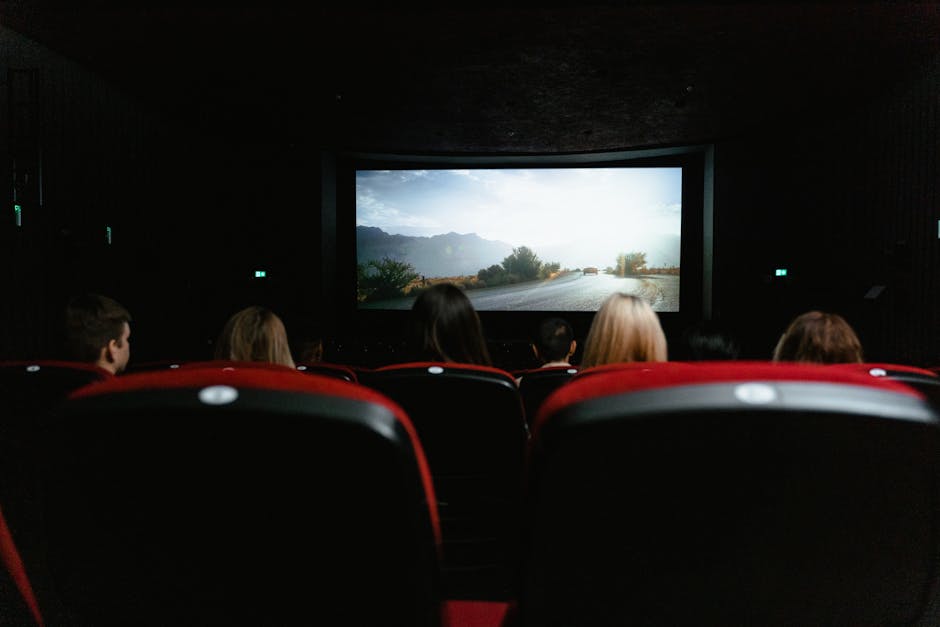
- Cinema labs are revolutionizing movie production by tracking brain activity and physiological responses to create more immersive experiences.
- Researchers at the University of Bristol are using a state-of-the-art cinema lab to study audience reactions to different types of film content.
- The lab is equipped with cutting-edge technologies, including EEG headsets, heart rate monitors, and infra-red cameras to track audience responses.
- The project aims to provide filmmakers with insights to craft more compelling and engaging films that captivate audiences.
- Cinema labs are helping filmmakers stay ahead of the curve by offering new strategies and techniques for immersive storytelling.
The world of cinema has long been driven by the pursuit of creating immersive experiences that captivate and engage audiences. With the rise of streaming services and home entertainment systems, the competition for viewers’ attention has never been fiercer. In a bid to help filmmakers stay ahead of the curve, researchers at the University of Bristol have embarked on an innovative project to unlock the secrets of immersive storytelling. By tracking brain activity, heart rate, and other physiological responses, the team hopes to provide directors with the insights they need to craft more compelling and engaging films.
The Science of Immersion

At the heart of the project is a state-of-the-art cinema laboratory, where participants are invited to watch a range of films while their physiological responses are monitored. The lab is equipped with a range of cutting-edge technologies, including EEG headsets, heart rate monitors, and infra-red cameras that track every blink, fidget, and emotional response. By combining these data streams, the researchers can build a detailed picture of how audiences respond to different types of content, from action sequences to emotional dramas. This information will be used to inform the development of new filmmaking techniques and strategies, empowering directors to take greater risks and push the boundaries of cinematic storytelling.
Tracking the Audience Experience

One of the key challenges facing filmmakers is understanding how their audiences respond to different types of content. While traditional methods such as focus groups and audience surveys can provide some insights, they are often limited and subjective. The Bristol University project takes a more nuanced approach, using advanced neuroscientific techniques to track the brain activity and physiological responses of viewers in real-time. This data is then analyzed using sophisticated algorithms and machine learning techniques, allowing the researchers to identify patterns and trends that might not be immediately apparent. By gaining a deeper understanding of how audiences respond to different types of content, filmmakers can refine their craft and create more effective, engaging stories.
Expert Analysis and Insights
The project has already attracted the attention of several high-profile directors, who are eager to tap into the insights and expertise of the Bristol University team. By working closely with filmmakers, the researchers hope to develop a more nuanced understanding of the creative process and the ways in which audiences respond to different types of content. This collaboration will also provide a unique opportunity for directors to experiment with new techniques and strategies, using the lab’s cutting-edge technology to test and refine their ideas. As the project continues to evolve, it is likely to have a significant impact on the film industry, empowering directors to take greater risks and push the boundaries of cinematic storytelling.
Implications for the Film Industry
The implications of the Bristol University project are far-reaching, with the potential to transform the way films are made and consumed. By providing directors with a deeper understanding of how audiences respond to different types of content, the project could help to stimulate innovation and creativity in the film industry. This, in turn, could lead to the development of more engaging, immersive, and effective films, which are better equipped to capture and hold the attention of audiences. As the project continues to evolve, it will be interesting to see how the insights and expertise of the Bristol University team are used to inform the development of new filmmaking techniques and strategies.
Expert Perspectives
According to Dr. Emma Byrne, a leading expert in cognitive neuroscience and film studies, the Bristol University project has the potential to revolutionize the way we think about cinematic storytelling. ‘By tracking brain activity and physiological responses, we can gain a much deeper understanding of how audiences respond to different types of content,’ she explains. ‘This information can be used to inform the development of new filmmaking techniques and strategies, empowering directors to create more engaging, immersive, and effective films.’ However, not all experts are convinced, with some arguing that the project’s focus on neuroscience and data analysis could stifle creativity and limit the potential for innovation.
As the project looks to the future, there are many open questions and uncertainties. How will the insights and expertise of the Bristol University team be used to inform the development of new filmmaking techniques and strategies? What are the potential implications of this project for the film industry, and how might it shape the way we think about cinematic storytelling? These are just a few of the questions that will be explored in the months and years to come, as the Bristol University project continues to evolve and push the boundaries of what is possible in the world of film.