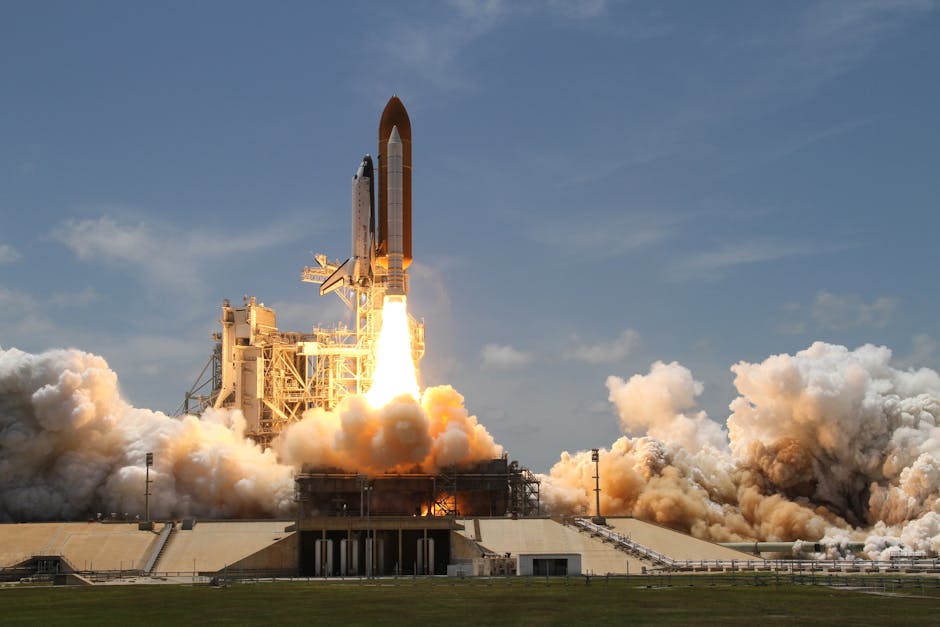
- The Artemis II mission marked NASA’s first manned mission to the Moon in over five decades, a significant step towards re-establishing a human presence on the lunar surface.
- The mission provided valuable insights into the performance of the Space Launch System (SLS) rocket and the Orion spacecraft, crucial for future lunar missions.
- Despite the success of Artemis II, NASA faces significant obstacles in its quest to return humans to the Moon by 2025, including developing new lunar landers and spacesuits.
- The mission highlighted the need for further development of life support systems, spacesuits, and other technologies necessary for sustained human presence on the Moon.
- Artemis II’s success sets the stage for future lunar missions, but also underscores the complexity and challenges of establishing a human presence on the lunar surface.
The Artemis II mission, NASA’s first manned mission to the Moon in over five decades, has been hailed as a triumph, with the spacecraft successfully completing its lunar flyby and returning to Earth with a wealth of valuable data. The mission was almost flawless, with the spacecraft’s systems performing nominally and the astronauts on board reporting no major issues. However, despite this success, NASA officials are keenly aware that the hard part is only just beginning, as the agency faces significant obstacles in its quest to return humans to the Moon by 2025.
Background and Context

The Artemis II mission is part of a broader effort by NASA to re-establish a human presence on the Moon, with the ultimate goal of using the lunar surface as a stepping stone for further human exploration of the solar system. The mission is a crucial step towards achieving this goal, as it provides valuable insights into the performance of the Space Launch System (SLS) rocket and the Orion spacecraft, which will be used for future lunar missions. However, the success of the Artemis II mission also highlights the significant challenges that lie ahead, including the need to develop and test new lunar landers, spacesuits, and life support systems.
Key Mission Details

The Artemis II mission was crewed by four astronauts, who spent over two weeks in space, including a close flyby of the Moon’s surface. The mission was designed to test the performance of the SLS rocket and the Orion spacecraft, as well as the astronauts’ ability to operate in deep space. The spacecraft’s systems performed nominally, and the astronauts reported no major issues during the mission. However, the mission also highlighted the need for further testing and development of the spacecraft’s systems, particularly with regards to communication and navigation. The mission’s success has also sparked renewed interest in space exploration, with many experts hailing it as a major milestone in the quest to return humans to the Moon.
Analysis and Implications
The success of the Artemis II mission has significant implications for the future of space exploration, as it demonstrates the feasibility of manned missions to the Moon and beyond. However, the mission also highlights the need for further investment in space technology and infrastructure, particularly with regards to the development of new lunar landers and life support systems. The mission’s success has also sparked renewed debate about the role of private industry in space exploration, with many experts arguing that public-private partnerships will be essential for achieving the goal of returning humans to the Moon by 2025. Furthermore, the mission’s success has also raised questions about the long-term sustainability of space exploration, particularly with regards to the environmental impact of space travel and the need for sustainable technologies.
Mission Implications and Future Directions
The success of the Artemis II mission has significant implications for the future of space exploration, as it paves the way for further manned missions to the Moon and beyond. The mission’s success has also sparked renewed interest in space exploration, with many experts hailing it as a major milestone in the quest to return humans to the Moon. However, the mission also highlights the need for further testing and development of the spacecraft’s systems, particularly with regards to communication and navigation. The mission’s success has also raised questions about the role of international cooperation in space exploration, particularly with regards to the need for global partnerships to achieve the goal of returning humans to the Moon.
Expert Perspectives
Experts are divided on the implications of the Artemis II mission, with some hailing it as a major milestone in the quest to return humans to the Moon, while others argue that significant challenges remain. Some experts argue that the mission’s success demonstrates the feasibility of manned missions to the Moon and beyond, while others argue that the mission highlights the need for further investment in space technology and infrastructure. Dr. Maria Zuber, a leading expert on space exploration, noted that “the success of the Artemis II mission is a major achievement, but it also highlights the significant challenges that lie ahead, particularly with regards to the development of new lunar landers and life support systems.”
Looking ahead, the success of the Artemis II mission raises important questions about the future of space exploration, particularly with regards to the role of private industry and international cooperation. As NASA and its partners continue to push the boundaries of space travel, it remains to be seen whether the agency can overcome the significant obstacles that lie ahead and achieve the goal of returning humans to the Moon by 2025. One thing is certain, however: the success of the Artemis II mission marks an important milestone in the quest to explore the vast expanse of space, and it will be exciting to see what the future holds for space travel and exploration.