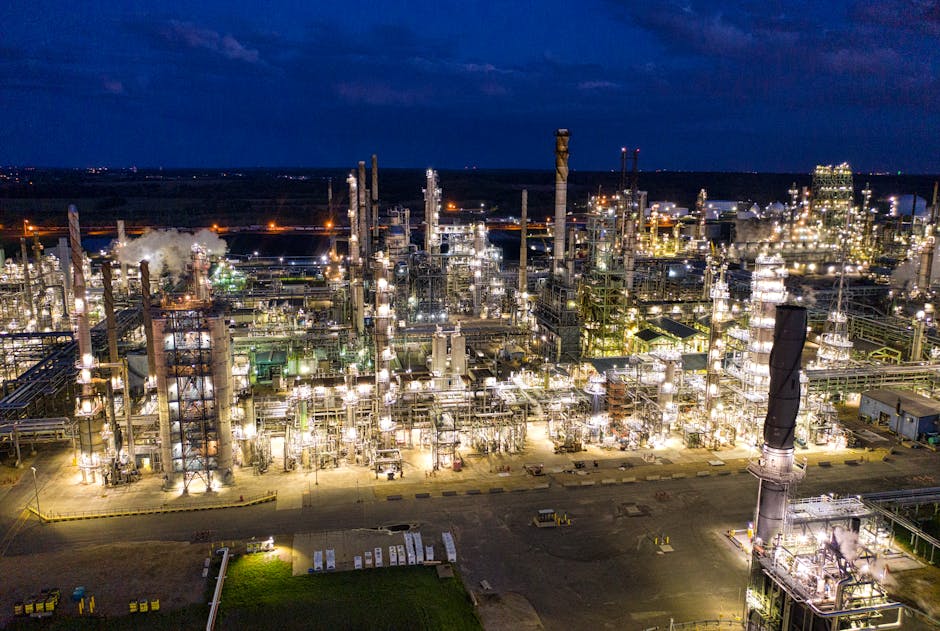
Russia’s oil exports have slumped dramatically, with sources indicating a potential decline to the lowest levels since 2023. This stark reality comes as Ukraine intensifies its attacks on Russian ports and refineries, effectively crippling the nation’s ability to export oil. The impact of these attacks is being felt across the global energy market, as the world grapples with the consequences of diminished Russian oil exports. Despite the US offering a sanctions waiver, the damage inflicted by Ukraine’s military strategy has already taken its toll, painting a grim picture for Russia’s oil industry.
War’s Impact on Energy Markets

The ongoing conflict between Russia and Ukraine has significant implications for global energy markets. As the world’s third-largest oil producer, Russia’s ability to export oil plays a critical role in meeting international demand. However, with Ukraine’s relentless attacks on ports and refineries, the very infrastructure that facilitates Russia’s oil exports is under siege. This has resulted in a substantial decrease in oil exports, with sources suggesting that the decline could be as steep as 30% in just one month. The repercussions of this downturn are far-reaching, affecting not only Russia’s economy but also the global energy landscape.
Key Players and Interests

The conflict has drawn in various key players, each with their own interests at stake. The US, having offered a sanctions waiver, is walking a fine line between supporting Ukraine and avoiding escalation with Russia. Meanwhile, European nations, heavily reliant on Russian oil, are scrambling to diversify their energy sources. Ukraine, on the other hand, sees its attacks on Russian ports and refineries as a strategic move to weaken its adversary’s economy and gain leverage in the conflict. As the situation unfolds, the involvement of these players will continue to shape the outcome of the conflict and its impact on global energy markets.
Causes and Consequences
Analyzing the causes of the decline in Russian oil exports reveals a complex interplay of military strategy, economic sanctions, and geopolitical maneuvering. Ukraine’s attacks on Russian infrastructure are a direct response to the ongoing conflict, aiming to disrupt Russia’s ability to finance its military operations through oil exports. The effects of this strategy are multifaceted, ranging from economic hardship for Russia to potential energy shortages in countries dependent on Russian oil. Furthermore, the decline in Russian oil exports could lead to a surge in global oil prices, as the market adjusts to the reduced supply. Experts warn that this could have far-reaching consequences, including inflation and economic instability in vulnerable economies.
Global Implications
The implications of the slump in Russian oil exports are widespread, affecting various stakeholders across the globe. For Russia, the economic consequences are dire, with potential losses running into billions of dollars. For countries reliant on Russian oil, the search for alternative energy sources has become a pressing matter. The global economy, already navigating the challenges of post-pandemic recovery, must now contend with the uncertainty of diminished Russian oil exports. As the conflict continues, the world watches with bated breath, aware that the outcome will have lasting effects on the geopolitical and economic landscapes.
Expert Perspectives
Experts in the field offer contrasting viewpoints on the situation, reflecting the complexity of the issue. Some argue that Ukraine’s strategy, while effective in the short term, may not yield long-term benefits, as Russia seeks alternative routes for its oil exports. Others contend that the decline in Russian oil exports presents an opportunity for the global community to accelerate its transition to renewable energy sources, thereby reducing dependence on fossil fuels. As the situation evolves, these expert perspectives will continue to inform and shape the international response to the conflict and its repercussions on global energy markets.
Looking forward, the key question on everyone’s mind is what the future holds for Russian oil exports and the global energy landscape. Will Ukraine’s attacks continue to cripple Russia’s oil industry, or will Russia find a way to circumvent these challenges? How will the global community respond to the potential energy shortfall, and what role will renewable energy sources play in mitigating the effects of diminished Russian oil exports? As the world navigates this uncertain terrain, one thing is clear: the outcome of this conflict will have lasting implications for global energy markets and the future of international relations.