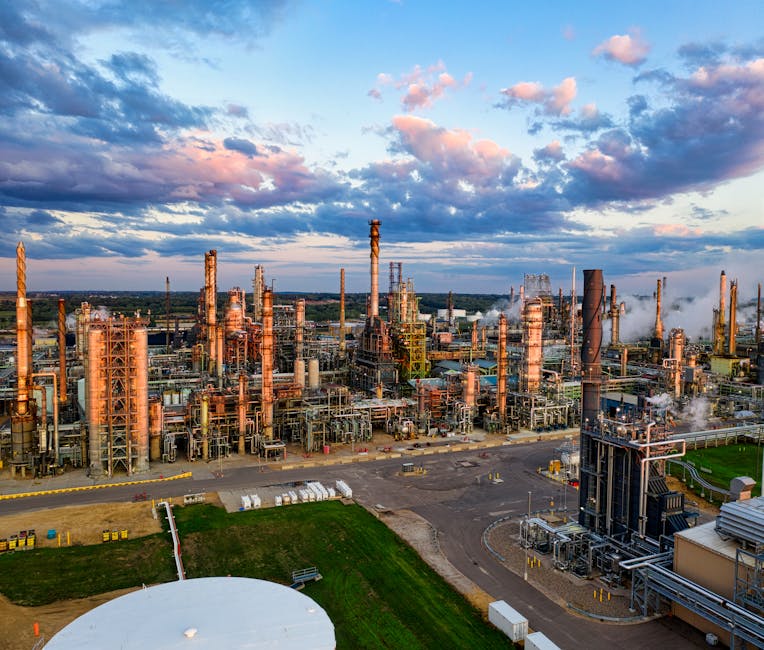
- JPMorgan predicts further increases in oil prices by 10 percent, driven by supply chain disruptions, geopolitical tensions, and rising demand.
- Global oil demand is rebounding, fueled by economic recovery and increased travel and transportation.
- Supply chain constraints and production outages are limiting oil producers’ ability to meet rising demand.
- Geopolitical tensions, such as conflicts in major oil-producing regions, are exacerbating the imbalance between supply and demand.
- Higher oil prices could lead to inflation, affect economic growth, and increase consumer spending.
The global oil market is bracing itself for further price increases, with JPMorgan predicting that oil prices still have further to rise. This striking forecast comes as the world grapples with a perfect storm of supply chain disruptions, geopolitical tensions, and soaring demand. As a result, oil prices have already surged to multi-year highs, with many analysts warning that the worst may be yet to come. The implications of this trend are far-reaching, with potential consequences for inflation, economic growth, and consumer spending. With the global economy still recovering from the pandemic, the prospect of higher oil prices is a daunting one.
Understanding the Current Market Dynamics

The current oil price surge can be attributed to a combination of factors, including a global demand rebound, supply chain constraints, and geopolitical tensions. As the world emerges from the pandemic, oil demand has increased significantly, driven by a resurgence in economic activity and a pent-up demand for travel and transportation. At the same time, supply chain disruptions, including production outages and logistical bottlenecks, have limited the ability of oil producers to respond to this increased demand. The resulting imbalance between supply and demand has driven up prices, with many analysts warning that this trend is likely to continue in the near term. The situation is further complicated by geopolitical tensions, including conflicts in major oil-producing regions, which have the potential to disrupt supply and drive prices even higher.
Key Players and Their Roles

JPMorgan’s prediction of further oil price increases is based on a detailed analysis of the global oil market, including the actions of key players such as OPEC, the United States, and major oil-producing countries. According to JPMorgan, these players will play a crucial role in shaping the future of the oil market, with their production decisions and policy choices having a significant impact on prices. For example, OPEC’s decision to maintain production cuts has helped to support prices, while the United States’ decision to release strategic reserves has had a moderating effect. As the global oil market continues to evolve, the actions of these key players will be closely watched, with many analysts predicting that they will play a major role in determining the trajectory of oil prices in the coming months.
Analyzing the Causes and Effects
The causes of the current oil price surge are complex and multifaceted, involving a combination of supply and demand factors, as well as geopolitical tensions. According to many analysts, the root cause of the problem is a lack of investment in oil production, which has limited the ability of producers to respond to increased demand. At the same time, the transition to renewable energy sources has also played a role, with many countries reducing their reliance on fossil fuels and investing in alternative energy sources. The effects of the oil price surge are far-reaching, with potential consequences for inflation, economic growth, and consumer spending. For example, higher oil prices can lead to increased costs for businesses and consumers, which can have a negative impact on economic growth and employment. On the other hand, higher prices can also provide a stimulus to oil-producing countries, which can benefit from increased revenues and investment.
Implications for the Global Economy
The implications of the oil price surge are significant, with potential consequences for the global economy. According to many analysts, higher oil prices can lead to increased inflation, reduced consumer spending, and lower economic growth. This can have a negative impact on businesses and households, particularly those that are heavily reliant on oil and other energy sources. For example, higher oil prices can increase the cost of transportation, which can have a negative impact on businesses that rely on logistics and supply chain management. On the other hand, higher prices can also provide a stimulus to oil-producing countries, which can benefit from increased revenues and investment. As the global economy continues to evolve, the impact of higher oil prices will be closely watched, with many analysts predicting that it will have a significant impact on economic growth and development.
Expert Perspectives
Experts are divided on the future of oil prices, with some predicting that prices will continue to rise, while others believe that they will fall. According to some analysts, the current oil price surge is a temporary phenomenon, driven by supply chain disruptions and geopolitical tensions. However, others believe that the trend is more structural, driven by a lack of investment in oil production and a transition to renewable energy sources. As the global oil market continues to evolve, expert opinions will be closely watched, with many analysts predicting that they will play a major role in shaping the future of the oil market. For example, some experts believe that oil prices will continue to rise, driven by increasing demand and limited supply, while others believe that prices will fall, driven by increased production and a shift to renewable energy sources.
Looking ahead, the future of oil prices is uncertain, with many factors that could influence the market. According to some analysts, the key to predicting oil prices is to watch the actions of key players, including OPEC, the United States, and major oil-producing countries. At the same time, the transition to renewable energy sources will also play a major role, with many countries investing in alternative energy sources and reducing their reliance on fossil fuels. As the global oil market continues to evolve, one question remains: what will be the impact of higher oil prices on the global economy, and how will businesses and households respond to this challenge? The answer to this question will depend on a variety of factors, including the actions of key players, the transition to renewable energy sources, and the overall state of the global economy.