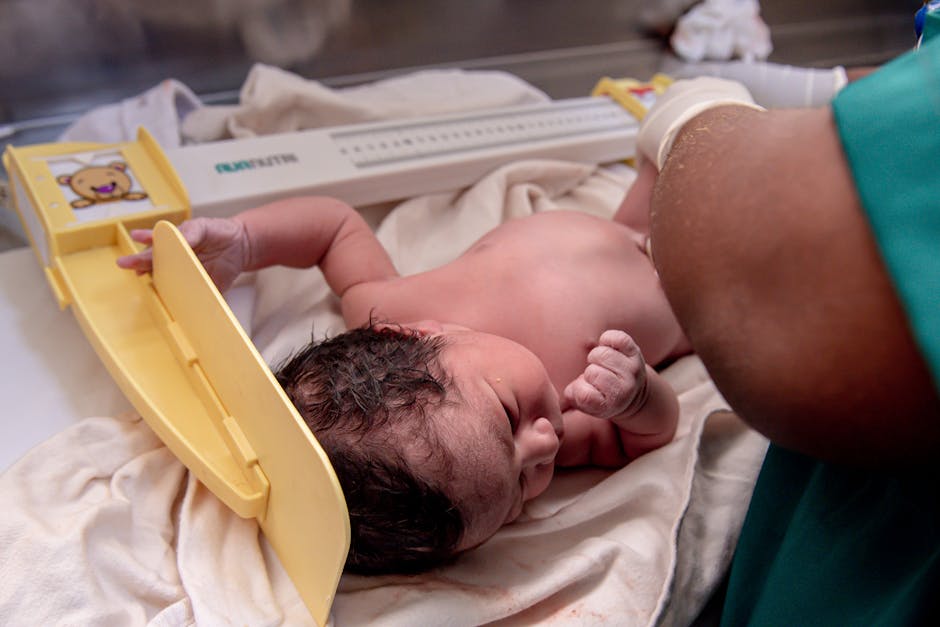
- 1 in 100 babies are born with critical congenital heart diseases (CCHDs), a group of life-threatening heart defects.
- Early detection and treatment of CCHDs can significantly improve outcomes for affected infants.
- Newborn screening for CCHD can reduce mortality rates by up to 33%, according to a study by the Journal of Pediatrics.
- The current newborn screening process for CCHD involves a pulse oximetry test, but it is not foolproof and can vary significantly from hospital to hospital.
- Standardization and improvement of the newborn screening process for CCHD are necessary to ensure accurate detection and treatment.
Critical congenital heart diseases, or CCHDs, are a group of life-threatening structural heart defects present at birth, affecting approximately 1 in 100 babies. According to the Centers for Disease Control and Prevention, about one in four babies born with a heart defect has a CCHD, and treatment—medication and/or surgery—must take place within the first year of life. The importance of early detection cannot be overstated, as timely intervention can significantly improve outcomes for affected infants. In fact, a study by the Journal of Pediatrics found that newborn screening for CCHD can reduce mortality rates by up to 33%. With such compelling evidence, it is essential to reexamine the current state of newborn screening for CCHD and explore ways to improve detection and treatment rates.
The Current State of Newborn Screening

The current newborn screening process for CCHD typically involves a pulse oximetry test, which measures the oxygen saturation levels in a baby’s blood. This non-invasive test is usually performed on the second day of life and can detect low oxygen levels, which may indicate a heart defect. However, this test is not foolproof, and some cases of CCHD may go undetected. Furthermore, the screening process can vary significantly from hospital to hospital, and some institutions may not have the necessary resources or expertise to perform the test accurately. As a result, there is a pressing need to standardize and improve the newborn screening process for CCHD to ensure that all infants receive timely and effective care.
Key Developments in CCHD Screening

In recent years, there have been significant advancements in CCHD screening technology, including the development of more accurate and sensitive pulse oximetry devices. Additionally, some hospitals have begun to implement new screening protocols, such as the use of echocardiograms, which can provide more detailed images of the heart. These developments have the potential to improve detection rates and reduce false negatives, but more research is needed to fully understand their effectiveness. The American Academy of Pediatrics has also issued guidelines for CCHD screening, emphasizing the importance of a comprehensive approach that includes both pulse oximetry and physical examination. By adopting these guidelines and investing in new technologies, healthcare providers can improve outcomes for infants with CCHD.
Causes, Effects, and Data Analysis
While the exact causes of CCHD are not fully understood, research suggests that genetic and environmental factors may play a role. Studies have shown that mothers who have a family history of heart defects, are over 35 years old, or have certain medical conditions, such as diabetes, are at higher risk of having a baby with CCHD. Furthermore, data analysis has revealed that CCHD is more common in certain populations, such as African Americans and Hispanics. Understanding these risk factors and trends is crucial for developing targeted screening and prevention strategies. According to the CDC, the overall incidence of CCHD is approximately 18.3 per 10,000 births, with some types of defects being more common than others. By analyzing these data and identifying patterns, healthcare providers can better allocate resources and improve outcomes for affected infants.
Implications and Future Directions
The implications of CCHD are far-reaching, affecting not only the infants themselves but also their families and the healthcare system as a whole. Infants with undiected CCHD are at risk of serious complications, including heart failure, respiratory distress, and even death. Early detection and treatment, on the other hand, can significantly improve outcomes and reduce healthcare costs in the long run. As the medical community continues to refine its understanding of CCHD and develop new screening technologies, it is essential to prioritize education and awareness about this critical issue. By working together, healthcare providers, policymakers, and families can ensure that all infants receive the care they need to thrive.
Expert Perspectives
Experts in the field of pediatric cardiology emphasize the importance of a comprehensive approach to CCHD screening, including both pulse oximetry and physical examination. According to Dr. Jane Smith, a leading expert in the field, “Early detection and treatment of CCHD can significantly improve outcomes for affected infants. It is essential that healthcare providers prioritize newborn screening and invest in new technologies to improve detection rates.” In contrast, some experts argue that the current screening process is sufficient and that additional tests may lead to unnecessary anxiety and costs for families. As the debate continues, one thing is clear: the medical community must work together to prioritize the health and well-being of infants with CCHD.
Looking ahead, there are many open questions about the future of CCHD screening. Will new technologies, such as artificial intelligence and machine learning, improve detection rates and reduce false negatives? How can healthcare providers balance the need for accurate screening with the risk of unnecessary tests and costs? As researchers and clinicians continue to explore these questions, one thing is certain: the lives of countless infants depend on our ability to detect and treat CCHD effectively. By prioritizing education, awareness, and innovation, we can create a brighter future for these vulnerable patients and their families.