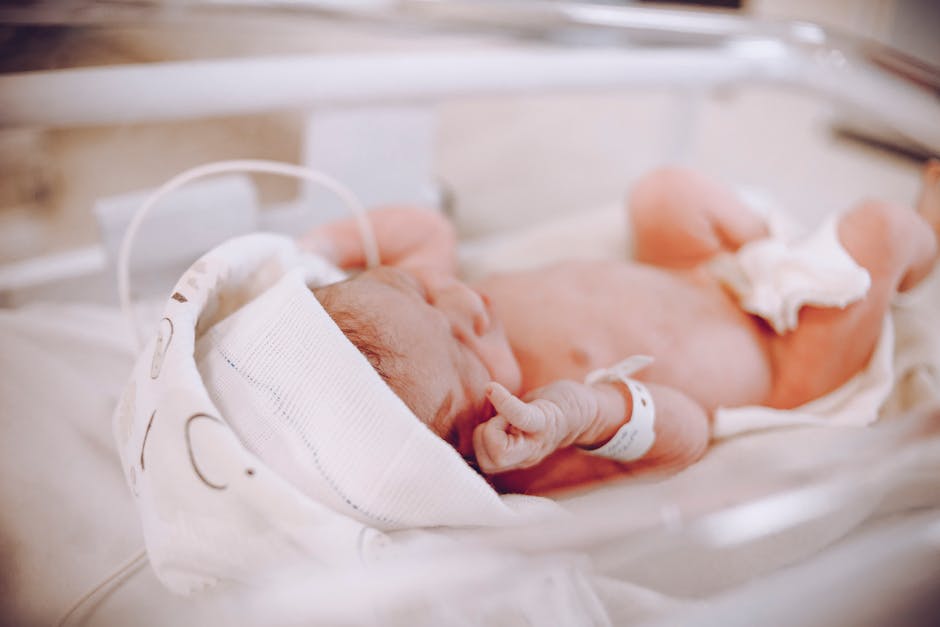
- The WHO has prequalified the first malaria treatment developed specifically for newborns and young infants weighing between 2-5 kg.
- Malaria claims over 400,000 lives annually, with a disproportionate number of deaths among newborns and young infants.
- Newborns and young infants are particularly susceptible to severe malaria due to their underdeveloped immune systems.
- The prequalification of this treatment aims to improve outcomes for one of the most underserved patient groups.
- Addressing malaria in newborns and infants is crucial for reducing malaria-related morbidity and mortality worldwide.
A striking fact in the global health landscape is that malaria claims the lives of over 400,000 people each year, with a disproportionate number of these deaths occurring among vulnerable populations such as newborns and young infants. Ahead of World Malaria Day on 25 April, the World Health Organization (WHO) has announced a significant step forward in the fight against this disease with the prequalification of the first treatment developed specifically for newborns and young infants weighing between two and five kilograms. This move is poised to dramatically improve outcomes for one of the most underserved patient groups.
Malaria in Newborns and Infants: A Growing Concern

The prequalification of a malaria treatment for newborns and infants comes at a critical time, as the global community continues to grapple with the challenges of malaria control and elimination. Malaria in newborns and young infants is particularly dangerous due to their underdeveloped immune systems, making them more susceptible to severe forms of the disease. The lack of suitable treatments for this age group has long been a gap in malaria care, highlighting the need for safe, effective, and quality-assured medicines tailored to their specific needs. As the world moves closer to the goal of a malaria-free future, addressing this gap is essential for reducing malaria-related morbidity and mortality among the youngest and most vulnerable members of society.
Details of the Prequalified Treatment

The newly prequalified treatment, artemether-lumefantrine, is a combination therapy that has been extensively tested for safety and efficacy in newborns and young infants. This treatment is specifically formulated to meet the unique needs of this age group, providing a much-needed option for healthcare providers treating malaria in these young patients. The prequalification designation indicates that the medicine meets international standards of quality, safety, and efficacy, and will help to expand access to quality-assured treatment. Furthermore, the addition of new diagnostic tests will enhance the ability to accurately diagnose malaria in newborns and infants, ensuring that they receive the appropriate treatment in a timely manner.
Analysis of the Impact
The prequalification of artemether-lumefantrine for newborns and infants, along with the introduction of new diagnostic tests, marks a significant advancement in the fight against malaria. From a public health perspective, this development is expected to lead to better health outcomes for thousands of young children worldwide. The data on malaria incidence and mortality among newborns and infants are stark reminders of the urgent need for effective interventions. Expert analysis suggests that the availability of this treatment, coupled with improved diagnostic capabilities, could substantially reduce malaria-related deaths in this vulnerable population. Moreover, this achievement underscores the importance of continued investment in malaria research and development, particularly for neglected areas such as pediatric care.
Implications for Global Health
The implications of this breakthrough are far-reaching, with potential benefits extending beyond the immediate recipients of the treatment. The prequalification of a malaria treatment for newborns and infants sends a strong signal about the commitment of the global health community to addressing the needs of all populations affected by malaria, regardless of age. It also highlights the critical role of the WHO in facilitating access to quality-assured medicines, especially for diseases that disproportionately affect low- and middle-income countries. As the world continues to navigate the challenges of the COVID-19 pandemic, this achievement serves as a reminder of the importance of sustaining efforts to combat other major global health threats, including malaria.
Expert Perspectives
Experts in the field of malaria research and global health have welcomed the prequalification of artemether-lumefantrine for newborns and infants, citing it as a crucial step forward in malaria control. Some have noted that while this development is highly promising, there remains a need for ongoing vigilance and research to address the evolving challenges of malaria, including drug resistance and the impact of climate change on disease transmission. Others have emphasized the importance of ensuring that this new treatment is accessible and affordable for those who need it most, highlighting the role of international cooperation and international financing mechanisms in supporting malaria elimination efforts.
Looking ahead, the prequalification of this malaria treatment for newborns and infants poses an important question: what additional steps can be taken to ensure that all populations affected by malaria have access to the care they need? As the global health community celebrates this achievement, it must also continue to push for innovations in malaria prevention, diagnosis, and treatment, with a particular focus on reaching the most vulnerable and underserved groups. The journey towards a malaria-free world is long and complex, but with advancements like the prequalification of artemether-lumefantrine, there is renewed hope for the future.