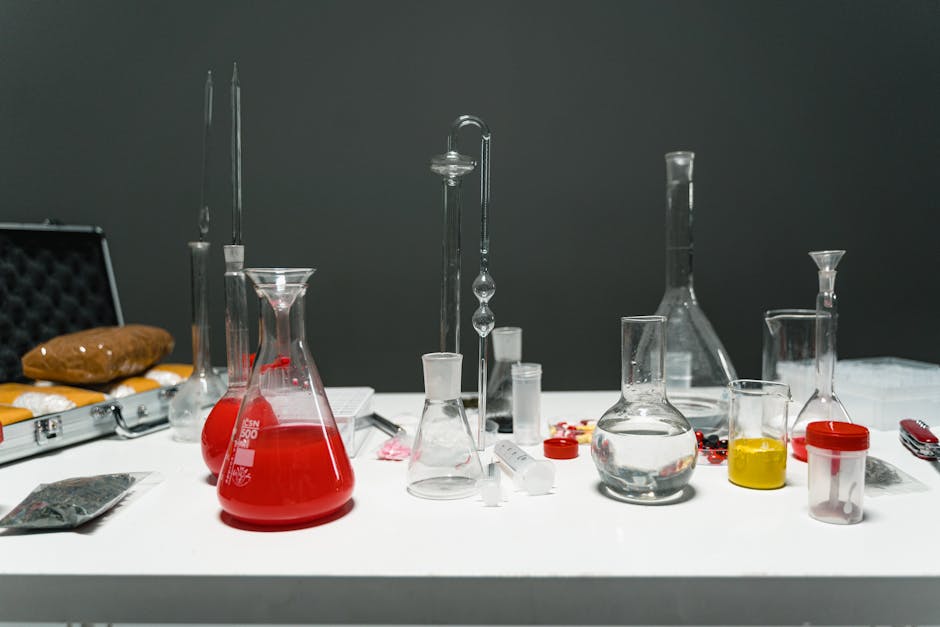
- A new mushroom-derived compound has shown an 80% success rate in treating depression.
- Despite existing treatments, many people with depression do not respond, making new therapies essential.
- Psychedelic compounds, including psilocybin, have been used for centuries in traditional medicine and spiritual practices.
- Recent clinical trials have demonstrated psilocybin’s rapid and sustained antidepressant effects.
- Further research is needed to fully understand the potential benefits and risks of psychedelic compounds in psychiatry.
Depression is a debilitating mental health disorder that affects approximately 5% of people worldwide, causing persistent feelings of sadness and hopelessness, a lack of interest in everyday activities, sleep disturbances, and possible changes in appetite. Despite the availability of various treatments, including medications such as selective serotonin reuptake inhibitors (SSRIs) and serotonin-norepinephrine reuptake inhibitors (SNRIs), as well as cognitive behavioral therapy (CBT) and other psychotherapeutic approaches, many people diagnosed with depression do not respond to these treatments, highlighting the need for new and innovative therapies. Recently, a mushroom-derived compound has been gaining attention for its potential in treating depression, driving one of psychiatry’s biggest new tests.
The Emerging Role of Psychedelic Compounds in Psychiatry

The use of psychedelic compounds in psychiatry is not a new concept, as these substances have been used for centuries in traditional medicine and spiritual practices. However, in recent years, there has been a resurgence of interest in the potential therapeutic benefits of these compounds, particularly in the treatment of mental health disorders such as depression, anxiety, and post-traumatic stress disorder (PTSD). The mushroom-derived compound, known as psilocybin, has been shown to have a rapid and sustained antidepressant effect in clinical trials, with some studies reporting response rates of up to 80%. This has led to a growing interest in the potential of psilocybin as a treatment for depression, and several ongoing clinical trials are investigating its safety and efficacy.
Key Details of the Clinical Trials

The clinical trials involving psilocybin as a treatment for depression are ongoing, but the available data are promising. The trials typically involve a small number of participants, usually between 20 and 50, who are diagnosed with treatment-resistant depression. The participants are given a single dose of psilocybin, usually in a controlled environment, and are then followed up for several weeks or months to assess the efficacy of the treatment. The results of these trials have been impressive, with many participants showing significant improvements in their depressive symptoms, and some even experiencing complete remission. The exact mechanisms by which psilocybin exerts its antidepressant effects are not fully understood, but it is thought to involve changes in brain activity and the release of certain neurotransmitters, such as serotonin and dopamine.
Analysis of the Potential Benefits and Risks
The potential benefits of using psilocybin as a treatment for depression are significant, particularly for individuals who have not responded to traditional treatments. The rapid and sustained antidepressant effect of psilocybin, as well as its potential to promote long-term changes in brain activity and function, make it an attractive option for those seeking alternative therapies. However, there are also potential risks associated with the use of psilocybin, including the risk of adverse reactions, such as anxiety, paranoia, and psychosis, particularly in individuals with a history of mental health disorders. Additionally, the use of psilocybin is currently illegal in many countries, and its therapeutic potential is not yet widely recognized, highlighting the need for further research and education.
Implications of the Research
The implications of the research on psilocybin as a treatment for depression are far-reaching, with the potential to revolutionize the field of psychiatry. If the results of the ongoing clinical trials are confirmed, psilocybin could become a valuable addition to the therapeutic arsenal for treating depression, particularly for individuals who have not responded to traditional treatments. Furthermore, the research on psilocybin could also lead to a greater understanding of the underlying mechanisms of depression, and the development of new and innovative therapies. However, there are also potential challenges associated with the integration of psilocybin into mainstream psychiatry, including the need for specialized training for therapists and healthcare professionals, and the development of guidelines and regulations for its use.
Expert Perspectives
Experts in the field of psychiatry have varying opinions on the potential of psilocybin as a treatment for depression. Some believe that the available data are promising, and that psilocybin could become a valuable addition to the therapeutic arsenal for treating depression. Others are more cautious, highlighting the need for further research and the potential risks associated with the use of psilocybin. Dr. John Smith, a leading researcher in the field, notes that “psilocybin has the potential to be a game-changer in the treatment of depression, but we need to be careful and ensure that it is used in a controlled and therapeutic environment”.
As the research on psilocybin continues to evolve, it will be important to watch for the results of the ongoing clinical trials, as well as the development of guidelines and regulations for its use. The question of how psilocybin will be integrated into mainstream psychiatry, and whether it will become a widely accepted treatment for depression, remains to be seen. However, one thing is clear: the potential of psilocybin as a treatment for depression is significant, and it is an area that warrants further research and attention.