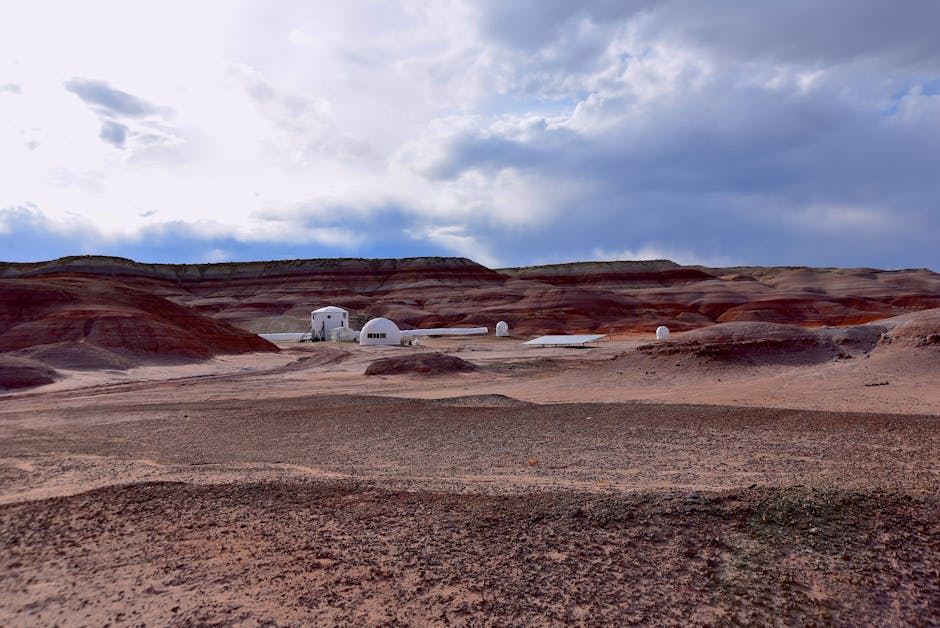
- A new species of fungus has been discovered to survive in extreme Martian-like conditions, raising concerns about contamination.
- The fungus, found on Earth, can withstand high temperatures, radiation, and simulated Martian soil.
- This discovery highlights the need for rigorous testing and evaluation of materials and organisms that contact Mars.
- Mars contamination risks have been a long-standing concern for scientists and engineers.
- Effective protocols and procedures are necessary to prevent contamination as manned missions approach.
The quest to explore Mars and potentially establish a human settlement has been dealt a new challenge. Researchers at NASA have identified a species of fungus that can survive in extreme conditions, including radiation, high temperatures, and simulated Martian soil. This hardy fungus, which is found on Earth, has raised concerns about the potential for contamination of the Martian environment. The discovery has significant implications for the protocols intended to keep the red planet pristine and underscores the need for rigorous testing and evaluation of all materials and organisms that come into contact with Mars.
Mars Contamination Risks

The risk of contaminating Mars with Earth-based organisms has long been a concern for scientists and engineers involved in the exploration of the red planet. The Martian environment is harsh and unforgiving, with extreme temperatures, low air pressure, and intense radiation, making it difficult for most known forms of life to survive. However, the discovery of this resilient fungus species has highlighted the need for a more comprehensive approach to planetary protection. As NASA and other space agencies prepare to send manned missions to Mars in the coming decades, the risk of contamination poses a significant challenge that must be addressed through the development of more effective protocols and procedures.
Fungal Survival Mechanisms

The fungus in question has demonstrated an impressive ability to survive in conditions that would be lethal to most other forms of life. Researchers have found that it can withstand high levels of radiation, extreme heat, and even the harsh conditions found in simulated Martian soil. The exact mechanisms that allow this fungus to survive in such conditions are not yet fully understood, but scientists believe that it may have evolved unique strategies to protect itself from the damaging effects of radiation and other environmental stressors. Further study of this fungus and its survival mechanisms could provide valuable insights into the development of new technologies and strategies for protecting both human explorers and the Martian environment.
Implications for Planetary Protection
The discovery of this hardy fungus species has significant implications for the protection of the Martian environment. NASA and other space agencies have established strict protocols for the sterilization of equipment and materials that come into contact with Mars, but the existence of this fungus highlights the need for even more rigorous testing and evaluation. The risk of contamination is not limited to the Martian environment itself, but also poses a threat to future human missions to the red planet. If Earth-based organisms were to be introduced to Mars, either intentionally or unintentionally, it could have far-reaching consequences for the planet’s ecosystem and potentially even for human health.
Potential Consequences
The potential consequences of contaminating Mars with Earth-based organisms are far-reaching and could have significant implications for the planet’s ecosystem. If the fungus were to be introduced to Mars, it could potentially outcompete native organisms for resources, leading to a disruption of the planet’s delicate ecosystem. Furthermore, the introduction of non-native species could also have unintended consequences for human health, particularly if the fungus were to be brought back to Earth on a returning spacecraft. The potential risks associated with contamination highlight the need for a comprehensive and multi-faceted approach to planetary protection, one that takes into account the complex interactions between Earth-based organisms and the Martian environment.
Expert Perspectives
Scientists and experts in the field of planetary protection have expressed concern about the discovery of the hardy fungus species and its potential implications for Mars exploration. While some have emphasized the need for more rigorous testing and evaluation of equipment and materials, others have highlighted the potential benefits of studying the fungus and its survival mechanisms. According to Dr. Maria Rodriguez, a leading expert in planetary protection, “the discovery of this fungus is a wake-up call for the scientific community, highlighting the need for a more comprehensive approach to protecting the Martian environment.”
As researchers continue to study the fungus and its implications for Mars exploration, the question remains as to what the future holds for the red planet. Will the discovery of this hardy fungus species prompt a re-evaluation of NASA’s planetary protection protocols, or will it lead to the development of new technologies and strategies for protecting the Martian environment? As scientists and engineers prepare for the next phase of Mars exploration, one thing is certain: the risk of contamination poses a significant challenge that must be addressed through a combination of rigorous testing, evaluation, and innovative problem-solving.