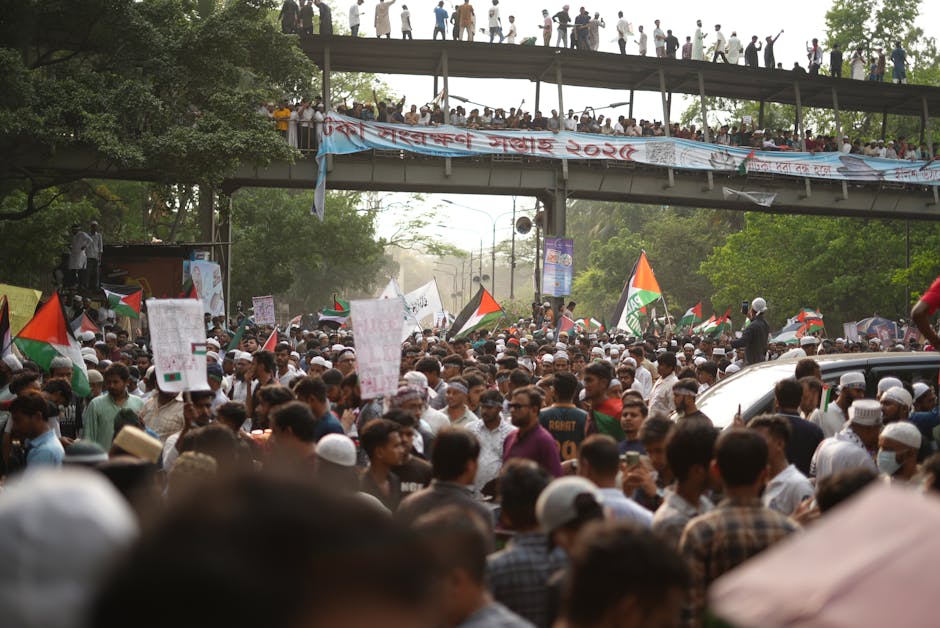
- At least 12 Palestinians were killed in Gaza despite a ceasefire agreement between Israel and Hamas.
- The Israeli military claims its actions were in response to rocket attacks from Gaza, while Hamas accuses Israel of violating the truce.
- The Gaza Strip has been a source of tension between Israel and Hamas for years, with periodic outbreaks of violence.
- The international community is working to uphold the ceasefire, but more needs to be done to prevent further bloodshed.
- Deep-seated issues related to territory, security, and humanitarian concerns must be addressed for a lasting peace in Gaza.
The recent escalation of violence in the Gaza Strip has resulted in the deaths of at least 12 Palestinians, despite an agreed-upon ceasefire between Israel and Hamas. This surge in violence has raised concerns about the effectiveness of the international community in maintaining peace in the region. The Israeli military has stated that its actions were in response to rocket attacks from Gaza, while Hamas has accused Israel of violating the terms of the truce. The situation remains volatile, with both sides blaming each other for the escalation of violence.
Gaza Strip Tensions

The Gaza Strip has long been a source of tension between Israel and Hamas, with periodic outbreaks of violence occurring over the years. The latest escalation is particularly concerning, given the fragile state of the ceasefire that was put in place to reduce hostilities. The international community has been working to uphold the truce, but the recent violence suggests that more needs to be done to prevent further bloodshed. The situation in Gaza is complex, with deep-seated issues related to territory, security, and humanitarian concerns that need to be addressed in order to achieve a lasting peace.
Key Players and Events

The key players involved in the conflict are Israel, Hamas, and the international community. Israel has stated that its actions are necessary to protect its citizens from rocket attacks, while Hamas has accused Israel of using excessive force and violating the terms of the truce. The international community, including the United States, the European Union, and the United Nations, has called for calm and restraint from both sides. The recent violence has also drawn attention to the humanitarian situation in Gaza, where residents are facing severe shortages of food, water, and medical supplies.
Analysis and Implications
Analysts say that the recent escalation of violence in Gaza is a result of a combination of factors, including the failure of the international community to uphold the truce, as well as deep-seated issues related to territory and security. The situation is further complicated by the fact that both sides have different interpretations of the terms of the truce, leading to confusion and mistrust. The implications of the violence are far-reaching, with the potential to destabilize the entire region and undermine efforts to achieve a lasting peace. The international community must take a more active role in addressing the root causes of the conflict and working towards a solution that takes into account the needs and concerns of all parties involved.
Humanitarian Concerns
The humanitarian situation in Gaza is a major concern, with residents facing severe shortages of food, water, and medical supplies. The recent violence has only exacerbated the situation, with many residents forced to flee their homes and seek shelter in safer areas. The international community must take immediate action to address the humanitarian needs of the people of Gaza, including providing aid and support to those affected by the violence. This includes ensuring that food, water, and medical supplies are available, as well as providing shelter and protection to those who have been displaced.
Expert Perspectives
Experts say that the situation in Gaza is complex and multifaceted, requiring a comprehensive approach that takes into account the needs and concerns of all parties involved. Some have called for a return to negotiations, while others have advocated for a more robust international response to address the humanitarian crisis. Dr. Khalil Shikaki, a Palestinian analyst, stated that “the international community must take a more active role in addressing the root causes of the conflict, including the issue of Palestinian statehood and the need for a two-state solution.” In contrast, Israeli officials have stated that “Hamas is responsible for the escalation of violence, and that Israel will take all necessary measures to protect its citizens.”
Looking ahead, it remains to be seen how the situation in Gaza will unfold. The international community must continue to work towards a lasting peace, taking into account the needs and concerns of all parties involved. This includes addressing the humanitarian crisis, as well as working towards a comprehensive solution that takes into account the complex issues related to territory, security, and statehood. As the situation continues to evolve, it is essential that all parties remain committed to finding a peaceful solution, rather than resorting to further violence and escalation.