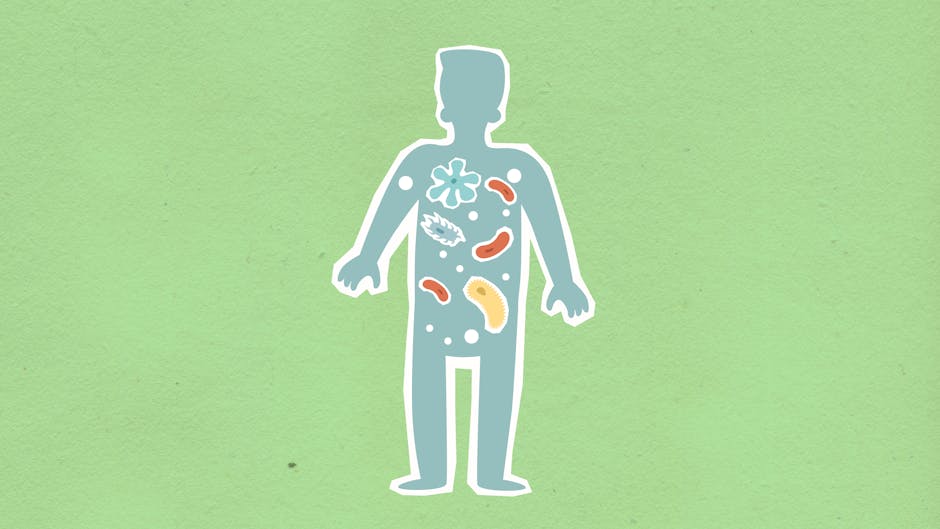
- Harvard researchers link gut bacteria Morganella morganii to depression through an inflammatory chemical pathway.
- The interaction between gut bacteria and environmental pollutants may significantly impact mental health.
- This study adds to the growing evidence of the gut-brain axis and its role in neurological disorders.
- A specific bacterium, Morganella morganii, could be a key factor in triggering depression.
- Further research is needed to understand the exact mechanisms and potential treatments.
A striking fact has emerged from the cutting-edge research laboratories of Harvard University: the humble gut bacterium Morganella morganii may be quietly fueling depression through an unexpected chemical twist. This finding has sent shockwaves throughout the scientific community, as it helps explain the long-suspected link between gut health and mental wellbeing. The study, which has significant implications for our understanding of the complex relationships between gut microbes, inflammation, and brain health, suggests that the interaction between Morganella morganii and a common environmental pollutant can trigger a molecular cascade that ultimately contributes to the development of depression.
The Hidden Inflammation Trigger

The research team, comprised of renowned experts in the fields of microbiology, neuroscience, and immunology, set out to investigate the molecular mechanisms underlying the gut-brain axis. Their work builds upon a growing body of evidence suggesting that the trillions of microorganisms residing within the human gut play a crucial role in shaping our mental health. The scientists discovered that when Morganella morganii interacts with a pervasive environmental pollutant, it produces a molecule that triggers a potent inflammatory response. This response, in turn, is strongly linked to the development of depression, a condition that affects millions of people worldwide and is characterized by persistent feelings of sadness, hopelessness, and a loss of interest in activities once enjoyed.
Uncovering the Molecular Mechanisms

The key to understanding the relationship between Morganella morganii and depression lies in the molecule produced when the bacterium interacts with the environmental pollutant. This molecule, which the researchers have identified and characterized, triggers a cascade of inflammatory signals that ultimately reach the brain. The brain, in turn, responds to these signals by altering the production of neurotransmitters, such as serotonin and dopamine, which are essential for regulating mood, appetite, and sleep. The scientists found that the inflammatory response triggered by Morganella morganii is sufficient to induce symptoms of depression in animal models, providing strong evidence for the bacterium’s role in the development of the condition.
Analysis and Implications
The discovery of the link between Morganella morganii and depression has significant implications for our understanding of the complex relationships between gut microbes, inflammation, and brain health. The finding suggests that the gut microbiome, which was once thought to be a peripheral system, plays a central role in shaping our mental health. Furthermore, the study provides new insights into the molecular mechanisms underlying the development of depression, which may lead to the development of novel therapeutic strategies that target the immune system rather than just the brain. The researchers believe that their work may pave the way for the creation of new treatments that modulate the gut microbiome to prevent or alleviate symptoms of depression.
Far-Reaching Consequences
The implications of the study are far-reaching, with potential consequences for the treatment and prevention of depression. The finding that Morganella morganii can trigger an inflammatory response that contributes to the development of depression suggests that targeting the gut microbiome may be a viable therapeutic strategy. This approach may be particularly effective in individuals who have not responded to traditional treatments, such as antidepressant medications or psychotherapy. Additionally, the study highlights the importance of considering the role of environmental pollutants in shaping the gut microbiome and contributing to the development of depression.
Expert Perspectives
Experts in the field have hailed the study as a breakthrough, providing new insights into the complex relationships between gut microbes, inflammation, and brain health. According to Dr. Emily Chen, a leading researcher in the field of microbiology, “The discovery of the link between Morganella morganii and depression is a game-changer, as it provides a new paradigm for understanding the development of the condition.” Dr. Chen believes that the study may lead to the development of novel therapeutic strategies that target the gut microbiome, rather than just the brain. In contrast, Dr. David Kim, a psychiatrist at Harvard University, cautions that “while the study is promising, more research is needed to fully understand the relationship between Morganella morganii and depression, and to develop effective treatments that target the gut microbiome.”
As the scientific community continues to unravel the complex relationships between gut microbes, inflammation, and brain health, one thing is clear: the discovery of the link between Morganella morganii and depression has opened up new avenues for research and treatment. The question on everyone’s mind is: what’s next? Will the development of novel therapeutic strategies that target the gut microbiome lead to a new era in the treatment and prevention of depression? Only time will tell, but one thing is certain: the future of mental health research has never looked brighter.