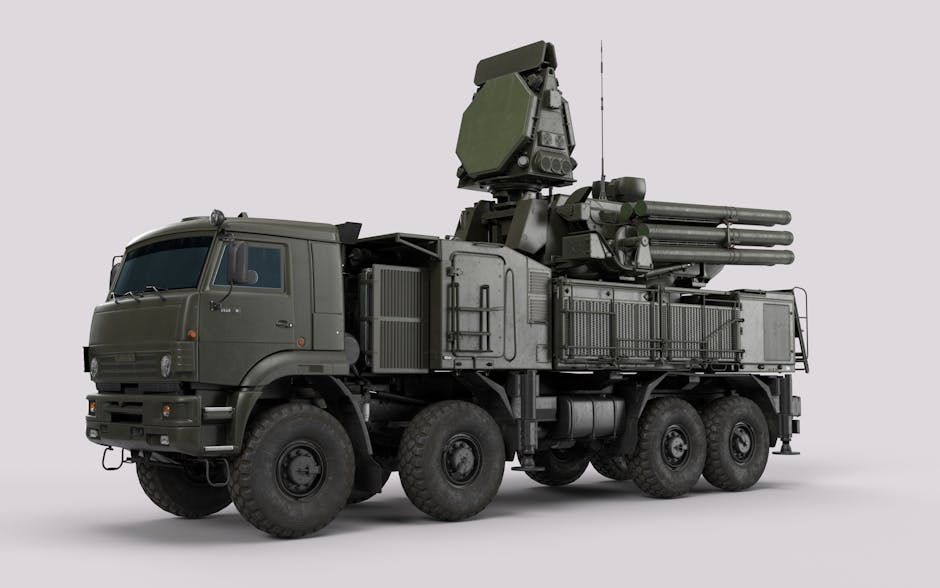
- Golden Dome’s orbital interceptors have an 80% success rate for boost-phase missile interception.
- Affordability and scalability are critical factors for the long-term viability of the technology.
- The project’s fate is uncertain, contingent on these factors and the company’s financial decisions.
- Golden Dome represents a new player in space defense, potentially disrupting the existing market.
- Orbital interceptors are becoming a focal point for future space defense developments.
The development of Golden Dome’s orbital interceptors has sparked intense interest in the defense community, with the project’s success rate reportedly standing at 80%. The interceptors, designed for boost-phase intercept from space, have the potential to revolutionize the field of space defense. However, the project’s fate hangs in the balance, as the company has stated that if the technology is not affordable and scalable, it will not be produced. This raises important questions about the future of space defense and the role that Golden Dome will play in it.
Background and Context

The development of orbital interceptors is a complex and challenging task, requiring significant advances in technology and engineering. The ability to intercept missiles in the boost phase, when they are most vulnerable, is a key capability for any space defense system. Golden Dome’s entry into this field is significant, as it brings a new player into the market and potentially disrupts the existing balance of power. The company’s focus on affordability and scalability is also noteworthy, as these are critical factors in determining the long-term viability of any defense project. As the global security landscape continues to evolve, the development of orbital interceptors is likely to remain a key area of focus for defense companies and governments around the world.
Key Players and Developments

Golden Dome’s orbital interceptors are being developed in partnership with a number of key players in the defense industry. The company has reportedly made significant progress in the development of the interceptors, with tests and trials already underway. The project’s success will depend on a number of factors, including the ability to develop a reliable and effective intercept system, as well as the ability to integrate the interceptors with existing space defense systems. The company’s commitment to affordability and scalability is also critical, as this will determine whether the interceptors can be produced in sufficient numbers to make a meaningful contribution to space defense. As the project moves forward, it will be important to watch for key milestones and developments, including the completion of testing and the award of production contracts.
Analysis and Implications
The development of Golden Dome’s orbital interceptors has significant implications for the future of space defense. The ability to intercept missiles in the boost phase has the potential to greatly enhance the effectiveness of space defense systems, and could potentially disrupt the existing balance of power in the region. However, the project’s success will depend on a number of factors, including the ability to develop a reliable and effective intercept system, as well as the ability to integrate the interceptors with existing space defense systems. The company’s focus on affordability and scalability is also critical, as this will determine whether the interceptors can be produced in sufficient numbers to make a meaningful contribution to space defense. As the global security landscape continues to evolve, the development of orbital interceptors is likely to remain a key area of focus for defense companies and governments around the world.
Global Impact and Ramifications
The development of Golden Dome’s orbital interceptors will have significant implications for the global security landscape. The ability to intercept missiles in the boost phase has the potential to greatly enhance the effectiveness of space defense systems, and could potentially disrupt the existing balance of power in the region. The project’s success will depend on a number of factors, including the ability to develop a reliable and effective intercept system, as well as the ability to integrate the interceptors with existing space defense systems. The company’s commitment to affordability and scalability is also critical, as this will determine whether the interceptors can be produced in sufficient numbers to make a meaningful contribution to space defense. As the project moves forward, it will be important to watch for key milestones and developments, including the completion of testing and the award of production contracts.
Expert Perspectives
Experts in the field of space defense are watching the development of Golden Dome’s orbital interceptors with great interest. Some have praised the company’s commitment to affordability and scalability, noting that these are critical factors in determining the long-term viability of any defense project. Others have expressed skepticism about the project’s chances of success, citing the significant technical challenges that must be overcome. As the project moves forward, it will be important to consider a range of perspectives and viewpoints, including those of experts in the field, government officials, and industry leaders.
Looking to the future, the development of Golden Dome’s orbital interceptors raises a number of important questions about the future of space defense. Will the project be successful, and if so, what will be the implications for the global security landscape? How will the development of orbital interceptors affect the balance of power in the region, and what will be the consequences for defense companies and governments around the world? As the project moves forward, it will be important to watch for key milestones and developments, and to consider the potential implications of this technology for the future of space defense.