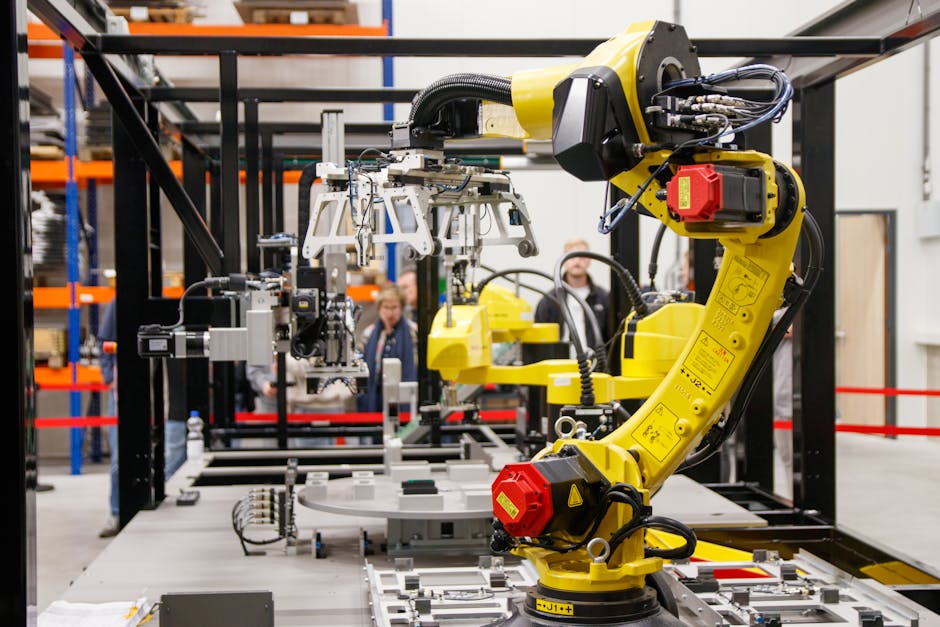
- Artificial Intelligence integration is leading to a significant reduction in entry-level jobs for young graduates.
- Technological advancements are transforming the job market, making it challenging for graduates to secure their first job.
- AI-powered automation is replacing human workers in many industries, resulting in a decrease in job opportunities.
- The job market is experiencing a shift, with companies adopting AI to streamline processes and reduce costs.
- The long-term consequences of this trend could impact the economy and society as a whole.
The integration of Artificial Intelligence into various industries has sparked a heated debate about its impact on the job market, particularly for young graduates. According to former UK Prime Minister Rishi Sunak, the concerns of graduates regarding their ability to secure entry-level jobs are justified. Sunak’s statement comes at a time when the job market is experiencing a significant shift, with AI-powered automation increasingly being adopted by companies worldwide. This trend has led to a striking fact: many entry-level positions that were once filled by young graduates are now being filled by machines, resulting in a substantial decrease in job opportunities for this demographic.
The Changing Job Landscape

The current job market is vastly different from what it was a decade ago, with technological advancements transforming the way businesses operate. The rise of AI has enabled companies to streamline their processes, increase efficiency, and reduce costs. However, this shift has also led to a reduction in the number of entry-level jobs available, making it challenging for young graduates to break into their chosen profession. As a result, many graduates are finding themselves at a crossroads, unsure of how to navigate this new job landscape and secure a foothold in their desired career. The implications of this trend are far-reaching, with many experts warning that it could have long-term consequences for the economy and society as a whole.
Key Players and Developments

Rishi Sunak’s comments on the impact of AI on graduate employment have sparked a lively debate, with many experts weighing in on the issue. According to Sunak, the concerns of graduates are not unfounded, and it is essential to address this issue to ensure that young people have access to job opportunities that will enable them to develop their skills and build a successful career. The UK government has announced plans to invest in education and training programs that will equip young people with the skills needed to thrive in an AI-driven job market. However, many critics argue that more needs to be done to address the root causes of this problem and to ensure that the benefits of technological progress are shared fairly by all.
Causes and Consequences
The causes of the decline in entry-level jobs for young graduates are complex and multifaceted. One of the primary factors is the increasing adoption of AI-powered automation, which has enabled companies to reduce their workforce and increase efficiency. Another factor is the changing nature of work, with many jobs now requiring specialized skills and expertise that are not always available in the current workforce. The consequences of this trend are far-reaching, with many young graduates facing uncertainty and insecurity as they try to navigate the job market. According to some estimates, the number of entry-level jobs available to young graduates has decreased by as much as 30% in recent years, resulting in a significant increase in youth unemployment and underemployment.
Implications and Outlook
The implications of the decline in entry-level jobs for young graduates are significant, with many experts warning that it could have long-term consequences for the economy and society as a whole. One of the primary concerns is that this trend could lead to a widening of the skills gap, with many young people lacking the skills and expertise needed to succeed in an AI-driven job market. Another concern is that it could lead to increased inequality, with those who have access to the right skills and training being able to thrive, while those who do not are left behind. As the job market continues to evolve, it is essential to address these concerns and to ensure that young people have access to the skills and training they need to succeed.
Expert Perspectives
Experts are divided on the best way to address the decline in entry-level jobs for young graduates. Some argue that the solution lies in investing in education and training programs that will equip young people with the skills needed to thrive in an AI-driven job market. Others argue that more needs to be done to address the root causes of this problem, including the increasing adoption of AI-powered automation and the changing nature of work. According to Dr. Kathryn Robertson, a leading expert on the future of work, “the key to addressing this issue is to ensure that young people have access to the skills and training they need to succeed, while also promoting policies that support job creation and economic growth.”
As the job market continues to evolve, it is essential to keep a close eye on developments and to be prepared for the challenges and opportunities that lie ahead. One of the key questions is how governments and businesses can work together to address the decline in entry-level jobs for young graduates and to ensure that young people have access to the skills and training they need to succeed. According to some experts, the answer lies in promoting a culture of lifelong learning, where workers are encouraged to continually update their skills and adapt to changing circumstances. As the world becomes increasingly automated, it is essential to ensure that young people are equipped with the skills and expertise needed to thrive in this new environment.