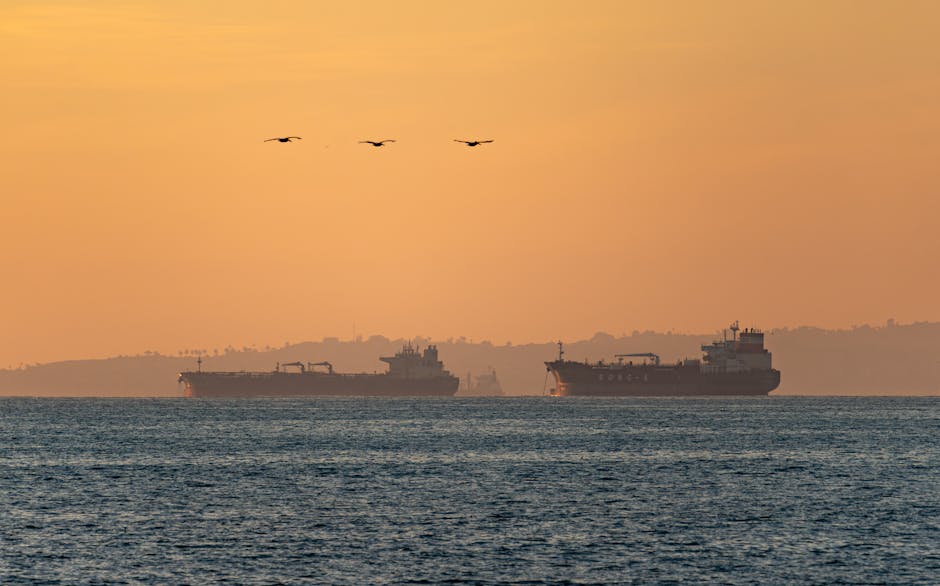
- The Strait of Hormuz is a critical oil chokepoint, with 20% of global oil supply passing through it.
- Recent incidents, including ship seizures and attacks, have raised concerns about oil supply safety.
- The energy industry is planning for a future where the Strait of Hormuz is less important.
- Growing shale oil production in the US has reduced its reliance on imported oil.
- Other oil-producing regions, such as Africa and Latin America, are gaining importance.
The Strait of Hormuz, the world’s most important oil chokepoint, has long been a source of tension in the Middle East. With approximately 20% of the world’s oil supply passing through this narrow waterway, any disruption to traffic can have significant implications for the global energy market. Recently, the strait has been at the center of a series of incidents, including ship seizures and attacks, which have raised concerns about the safety of oil supplies. As a result, the energy industry is planning for a future where the Strait of Hormuz is a lot less important, whether it’s open or closed.
The Shifting Energy Landscape

The Strait of Hormuz has been a critical component of the global energy system for decades, with many of the world’s largest oil producers, including Saudi Arabia, Iran, and the United Arab Emirates, relying on the waterway to export their oil. However, the recent increase in tensions in the region, combined with the growing importance of other oil-producing regions, such as the United States, has led to a shift in the way the energy industry thinks about the strait. With the rise of shale oil production in the United States, for example, the country has become less reliant on imported oil, reducing the importance of the Strait of Hormuz. Additionally, other oil-producing regions, such as Africa and Latin America, are becoming increasingly important, further reducing the strait’s significance.
Incidents and Escalations

In recent months, the Strait of Hormuz has been the site of several incidents, including the seizure of a British-flagged oil tanker by Iranian forces and the attack on several oil tankers by unknown assailants. These incidents have raised concerns about the safety of oil supplies and have led to an increase in tensions between Iran and the United States. The incidents have also highlighted the vulnerability of the strait to disruption, whether it’s due to military action, terrorism, or other forms of interference. As a result, the energy industry is taking steps to reduce its reliance on the strait, including investing in alternative transportation routes and increasing production in other regions.
Analysis and Implications
The potential disruption to oil supplies through the Strait of Hormuz has significant implications for the global energy market. If the strait were to be closed, either due to military action or other forms of interference, it could lead to a significant increase in oil prices, potentially even exceeding $100 per barrel. This would have a major impact on the global economy, particularly for countries that are heavily reliant on imported oil. On the other hand, if the strait remains open, but the energy industry reduces its reliance on it, it could lead to a shift in the global energy landscape, with other oil-producing regions becoming increasingly important. Either way, the Strait of Hormuz is unlikely to return to its former status as a critical component of the global energy system.
A New Energy Order
The reduced importance of the Strait of Hormuz is likely to have significant implications for the global energy market. As the energy industry becomes less reliant on the strait, other oil-producing regions are likely to become increasingly important. This could lead to a shift in the balance of power in the global energy market, with countries such as the United States, China, and Russia potentially gaining more influence. Additionally, the reduced importance of the strait could lead to a decrease in tensions in the region, as the stakes are no longer as high. However, it could also lead to a decrease in investment in the region, potentially having negative consequences for the local economy.
Expert Perspectives
Experts in the energy industry have differing opinions on the future of the Strait of Hormuz. Some believe that the strait will continue to be an important component of the global energy system, while others believe that its importance will continue to decline. According to one expert, “The Strait of Hormuz is still a critical component of the global energy system, and any disruption to traffic through the strait could have significant implications for the global energy market.” However, another expert notes that “The rise of shale oil production in the United States and other oil-producing regions is reducing the importance of the Strait of Hormuz, and it’s unlikely that the strait will return to its former status as a critical component of the global energy system.”
Looking to the future, it’s unclear what the Strait of Hormuz will look like in the coming years. Will it remain a critical component of the global energy system, or will its importance continue to decline? One thing is certain, however: the energy industry is planning for a future where the strait is a lot less important, whether it’s open or closed. As the global energy landscape continues to evolve, it will be important to watch how the Strait of Hormuz fits into the larger picture, and how the energy industry adapts to the changing circumstances. The question on everyone’s mind is: what’s next for the Strait of Hormuz, and how will it impact the global energy market?