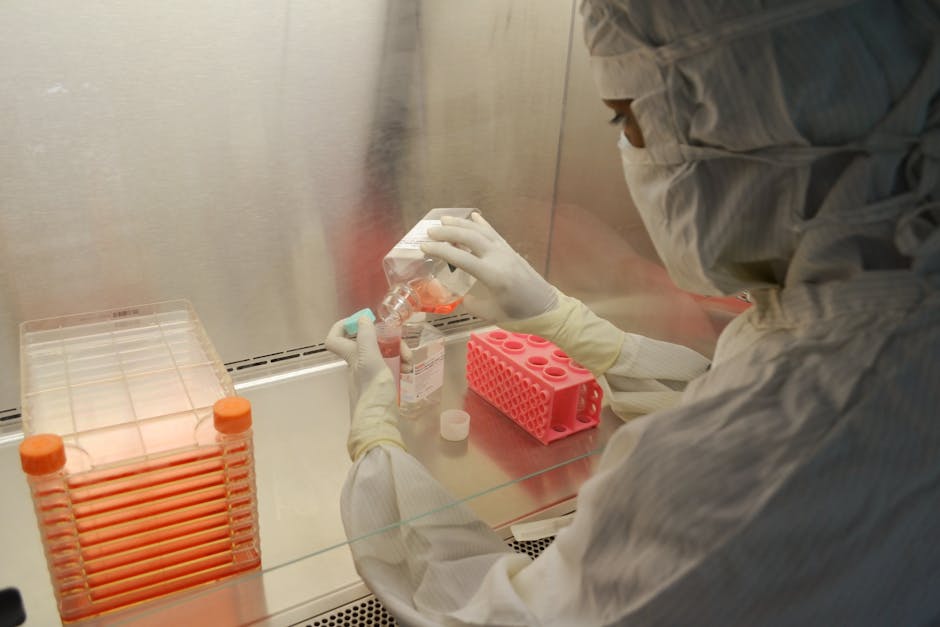
- A clinical trial aims to use stem cell therapy to restore vision in people with age-related macular degeneration, a leading cause of blindness in those over 50.
- Stem cell therapy’s potential to regenerate and repair damaged tissues has been recognized for over two decades but faced challenges in practical application.
- The trial could be a significant breakthrough, paving the way for treatments targeting various age-related diseases and conditions.
- Current obstacles in stem cell therapy include technical challenges, regulatory issues, and safety concerns, making this trial a crucial step.
- The use of embryonic stem cells in this trial could set a precedent for further research and development in regenerative medicine.
The prospect of reversing age-related diseases has long been considered the holy grail of medical research. Now, a groundbreaking clinical trial is underway, aiming to harness the power of stem cell therapy to restore vision in individuals afflicted with age-related macular degeneration. This debilitating condition is the leading cause of blindness in people over the age of 50, affecting millions worldwide. The trial’s success could mark a significant turning point in the fight against ageing and pave the way for novel treatments targeting a range of age-related ailments.
Background and Significance

The discovery of stem cells’ potential to regenerate and repair damaged tissues was first made over two decades ago, sparking widespread excitement and anticipation within the scientific community. Since then, numerous studies have explored the therapeutic applications of stem cells, yielding promising results in various fields, including cardiology, neurology, and oncology. However, the translation of these findings into effective treatments has been hindered by technical challenges, regulatory hurdles, and concerns regarding safety and efficacy. The current clinical trial represents a major milestone in the development of stem cell therapy, as it seeks to address a prevalent and devastating condition that has long been in need of innovative solutions.
Key Details of the Clinical Trial

The ongoing clinical trial involves the use of embryonic stem cells to generate retinal pigment epithelial cells, which are then transplanted into the affected eye. This approach aims to replace damaged cells with healthy ones, thereby restoring vision and halting disease progression. The trial has enlisted participants with advanced age-related macular degeneration, who will undergo a thorough evaluation to assess the safety and efficacy of the treatment. Preliminary results are expected to be released in the coming months, and if successful, the trial could pave the way for a new generation of stem cell-based therapies targeting various age-related diseases.
Analysis and Implications
A closer examination of the trial’s design and methodology reveals a multifaceted approach, incorporating cutting-edge technologies and rigorous testing protocols. The use of embryonic stem cells, in particular, has been a subject of controversy in the past, due to concerns regarding ethics and immunogenicity. However, recent advances in cell culture and differentiation techniques have mitigated these risks, enabling the production of high-quality cells with enhanced therapeutic potential. Furthermore, the trial’s focus on age-related macular degeneration serves as a paradigm for addressing other age-related conditions, such as Parkinson’s disease, Alzheimer’s disease, and osteoarthritis, which share common underlying mechanisms and pathologies.
Broader Implications and Future Directions
The potential impact of this clinical trial extends far beyond the realm of ophthalmology, as a successful outcome could have far-reaching implications for our understanding of ageing and regeneration. The ability to reverse or halt age-related diseases would not only improve the quality of life for millions of individuals but also alleviate the economic burden associated with these conditions. As the global population continues to age, the need for innovative and effective treatments will become increasingly pressing, and stem cell therapy may hold the key to addressing this pressing healthcare challenge.
Expert Perspectives
Experts in the field are cautiously optimistic about the trial’s prospects, acknowledging both the promise and the challenges associated with stem cell therapy. While some have expressed concerns regarding the risk of tumorigenesis and immune rejection, others have emphasized the potential for stem cells to revolutionize the treatment of age-related diseases. As one leading researcher noted, “The use of stem cells to address age-related conditions represents a paradigm shift in our approach to medicine, one that could potentially add years to our lives and life to our years.”
As the scientific community awaits the trial’s outcome, attention is already turning to the future, with many wondering what other age-related conditions could be targeted using stem cell therapy. The answer to this question will depend on continued advances in our understanding of stem cell biology, as well as the development of more sophisticated technologies for cell manipulation and delivery. One thing is certain, however: the journey to unlock the full potential of stem cell therapy has begun, and the possibilities are endless.