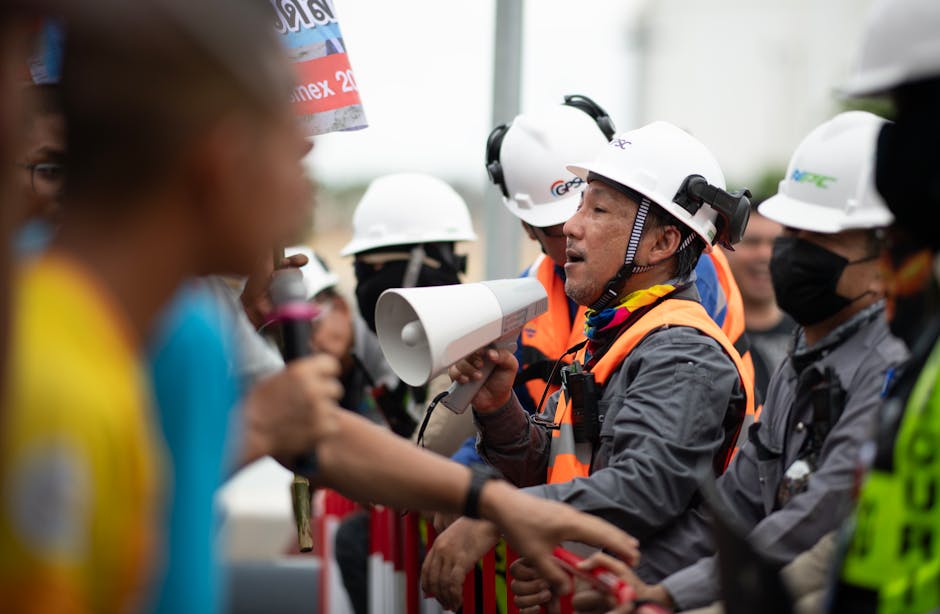
- Samsung’s labor dispute may exacerbate the ongoing RAM shortage, driven by soaring demand from AI datacenters.
- Employees are protesting for more competitive wages and benefits, including the removal of Samsung’s cap on bonus pay.
- The labor protests have the potential to disrupt production and worsen the RAM shortage, affecting consumers and industries.
- Samsung’s operations are a significant concern, as they are a major supplier of memory chips, including RAM.
- The RAM shortage has already led to significant price increases for consumers, affecting devices like phones and gaming consoles.
The current RAM shortage, driven by soaring demand from AI datacenters, has already led to significant price increases for consumers, affecting the cost of phones, PS5s, and Raspberry Pis. However, the situation could be about to take a turn for the worse, as Samsung, one of the world’s largest memory chip manufacturers, faces labor protests from its employees. The protests, which are centered on demands for more competitive wages and benefits, including the removal of Samsung’s cap on bonus pay, have the potential to disrupt production and further exacerbate the shortage.
The Impact of Labor Protests on Samsung’s Operations

The labor protests at Samsung are a significant concern for the company, as they have the potential to impact production levels and further worsen the RAM shortage. The protests are being driven by employees who feel that their wages and benefits are not competitive with those offered by rival chip manufacturer SK Hynix. The removal of the cap on bonus pay is a key demand, as employees feel that this would help to bring their compensation more in line with industry standards. If the protests are not resolved, it is possible that production could be disrupted, leading to further shortages and price increases.
The Role of AI Datacenters in the RAM Shortage

The current RAM shortage is being driven in large part by the growing demand for memory chips from AI datacenters. These datacenters, which are used to train and run artificial intelligence models, require large amounts of RAM to operate effectively. As the use of AI continues to grow, the demand for RAM is likely to increase, putting further pressure on manufacturers like Samsung. The shortage has already led to significant price increases for consumers, and if production is disrupted due to labor protests, the situation could become even more dire.
Analysis of the Situation
From an analytical perspective, the situation is complex and multifaceted. On the one hand, the labor protests at Samsung are driven by legitimate concerns about wages and benefits. On the other hand, the potential disruption to production could have significant consequences for the tech industry as a whole. The RAM shortage is already having a major impact on the cost of consumer electronics, and if the situation worsens, it could lead to further price increases and shortages. Experts predict that the shortage could last for several months, and potentially even longer if production is disrupted.
Implications of the RAM Shortage
The implications of the RAM shortage are far-reaching and could affect a wide range of industries. Consumers are already feeling the impact, with significant price increases for phones, consoles, and other electronic devices. If the shortage worsens, it could lead to further price increases and shortages, potentially impacting the availability of these devices. Additionally, the shortage could have a major impact on the development of AI, as datacenters may struggle to access the RAM they need to operate effectively.
Expert Perspectives
Experts have differing opinions on the potential impact of the labor protests on the RAM shortage. Some predict that the situation will be resolved quickly, with minimal disruption to production. Others, however, are more pessimistic, predicting that the protests could lead to significant disruptions and further exacerbate the shortage. According to one expert, “The labor protests at Samsung have the potential to be a major disruptor to the global tech industry. If production is disrupted, it could lead to significant shortages and price increases, potentially lasting for several months or even longer.”
Looking forward, it is unclear how the situation will unfold. One thing is certain, however: the RAM shortage is a major concern for the tech industry, and any disruption to production could have significant consequences. As the situation continues to evolve, it will be important to watch for updates on the labor protests and their potential impact on production. One open question is how Samsung will respond to the protests, and whether the company will be able to find a resolution that meets the demands of its employees while minimizing disruption to production.