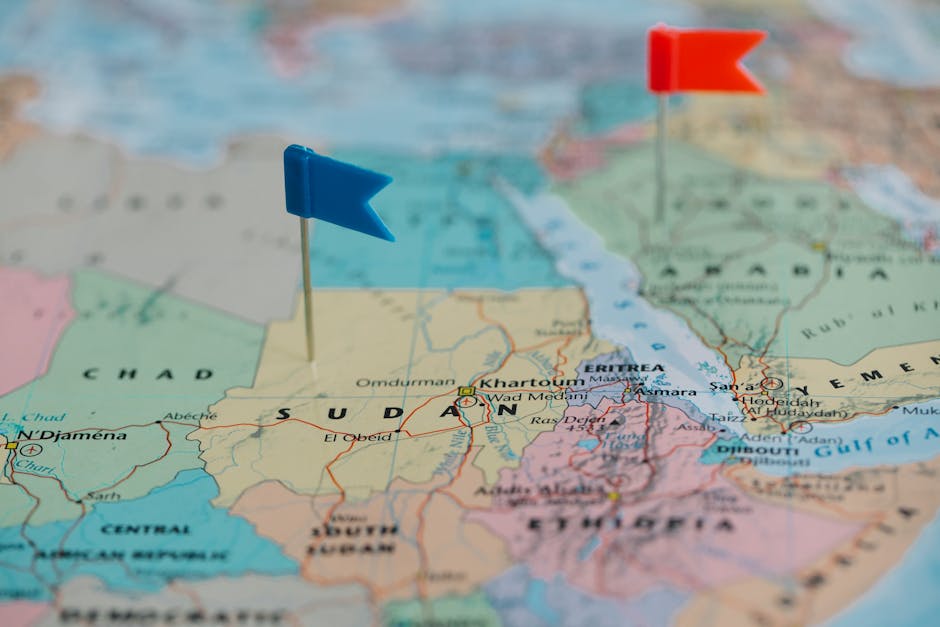
- Pope Leo XIV’s Africa tour marked a departure from his usual diplomatic tone with forthright comments on global issues.
- The pope’s visit highlighted pressing concerns in Africa, including corruption, human rights, and economic inequality.
- Pope Leo XIV used his platform to bring attention to these issues, sparking controversy and discomfort worldwide.
- The Africa tour was seen as an opportunity to reconnect with the continent’s rapidly growing Catholic population.
- The pope’s comments on corruption and accountability from local leaders drew significant attention and criticism.
Pope Leo XIV’s recent trip to Africa will be remembered for his forthright comments on various global issues, a marked departure from his usual diplomatic tone. During his tour, the pope touched on topics such as poverty, inequality, and social justice, leaving many to wonder if this signals a new era of papal activism. With his comments garnering significant attention worldwide, it is clear that the pope’s message resonated with many, but also sparked controversy and discomfort in equal measure.
Africa Tour Background

The pope’s Africa tour was seen as an opportunity for him to reconnect with the continent’s rapidly growing Catholic population. With many African countries facing significant development challenges, the pope’s visit was eagerly anticipated by locals and international observers alike. However, few expected the pope to be as vocal as he was on various sensitive topics, including corruption, human rights, and economic inequality. As the tour progressed, it became clear that the pope was determined to use his platform to bring attention to these pressing issues, even if it meant ruffling a few feathers along the way.
Key Developments During the Tour

One of the most notable aspects of the pope’s tour was his willingness to engage with local leaders and critics alike. In several public addresses, the pope explicitly condemned corrupt practices and called for greater accountability from those in power. While these comments were widely praised by many Africans, they also sparked a backlash from some government officials and vested interests. As the pope’s comments gained traction on social media and in the international press, it became clear that his message had struck a nerve, both within Africa and beyond.
Analyzing the Pope’s Comments
Experts believe that the pope’s comments reflect a deeper concern about the impact of globalization and economic inequality on vulnerable populations. By speaking out on these issues, the pope is attempting to reframe the narrative around social justice and human dignity, emphasizing the need for a more equitable distribution of resources and opportunities. While some have praised the pope’s candor, others have criticized his approach as overly simplistic or naive, arguing that the complexities of global poverty and inequality cannot be reduced to simple moral prescriptions.
Implications of the Pope’s Visit
The implications of the pope’s visit to Africa are far-reaching and multifaceted. For many Africans, the pope’s comments have provided a sense of validation and recognition, acknowledging the significant challenges they face in their daily lives. However, for others, the pope’s message has been seen as overly critical or judgmental, particularly in his condemnation of corrupt practices and human rights abuses. As the dust settles on the pope’s tour, it remains to be seen how his comments will be received and acted upon by local leaders and the broader international community.
Expert Perspectives
Experts are divided on the significance and impact of the pope’s comments during his Africa tour. Some, such as Vatican analyst Marco Politi, believe that the pope’s candor reflects a genuine commitment to social justice and human dignity. Others, such as African studies expert Kathryn Barrett-Gaines, argue that the pope’s approach is too simplistic, failing to account for the complex historical and cultural contexts that shape the continent’s development challenges. As the debate continues, one thing is clear: the pope’s comments have sparked a necessary and timely conversation about the role of faith and morality in addressing global inequality.
Looking ahead, it remains to be seen how the pope’s comments will be translated into concrete action, both within the Vatican and among the broader Catholic community. Will the pope’s message inspire a new wave of activism and advocacy, or will it be met with resistance and skepticism? As the world watches with interest, one thing is certain: the pope’s Africa tour has marked a significant turning point in his papacy, one that will have far-reaching implications for the Catholic Church and the global community alike.