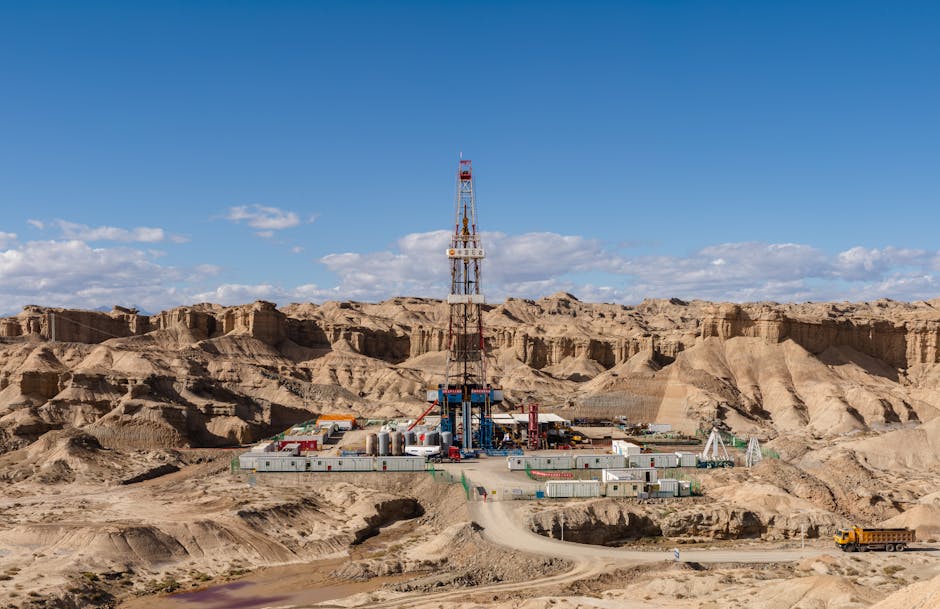
- The global oil market saw a significant price drop due to reduced geopolitical risk in the Middle East.
- A three-week extension of the Israel-Lebanon ceasefire contributed to the decrease in oil prices.
- The visit of Iran’s foreign minister to Pakistan for peace talks further eased tensions in the region.
- Geopolitical events play a critical role in shaping the global oil market.
- Diplomatic efforts can influence oil prices and mitigate supply disruptions.
The global oil market witnessed a significant decline in prices after reports emerged that Iran’s foreign minister would be arriving in Pakistan for peace talks, aimed at easing tensions in the region. This development comes on the heels of a three-week extension of the Israel-Lebanon ceasefire, which has been in place for several weeks now. The news sent shockwaves through the oil market, with prices falling by over 2% in a single trading session. This sudden drop in oil prices has been attributed to the potential for reduced geopolitical risk in the Middle East, a region that accounts for a substantial portion of the world’s oil production.
Background and Context

The recent decline in oil prices is a testament to the complex and often unpredictable nature of the global oil market. With the ongoing conflict in the Middle East, oil prices had been on an upward trajectory, driven by concerns over supply disruptions and potential shortages. However, the latest developments, including the extension of the Israel-Lebanon ceasefire and the upcoming peace talks in Pakistan, have helped to alleviate some of these concerns, leading to a decrease in oil prices. This shift in market sentiment highlights the critical role that geopolitical events play in shaping the global oil market and the potential for diplomatic efforts to influence oil prices.
Key Details and Developments

The visit of Iran’s foreign minister to Pakistan is seen as a significant development in the region’s diplomatic landscape. The peace talks are expected to focus on finding a lasting solution to the ongoing conflicts in the Middle East, which have been a major source of instability and uncertainty in the global oil market. The involvement of key regional players, including Iran and Pakistan, is crucial to the success of these talks, and the international community will be watching the developments closely. As the talks progress, market participants will be keenly monitoring the situation, looking for any signs of progress or setbacks that could impact oil prices.
Analysis and Implications
The decline in oil prices has significant implications for the global economy, particularly for countries that are heavily reliant on oil imports. A decrease in oil prices can help to reduce inflation, boost economic growth, and increase consumer spending. However, the impact of lower oil prices on oil-producing countries cannot be ignored, as it can lead to a decline in revenue and potentially destabilize their economies. From a geopolitical perspective, the peace talks in Pakistan represent a critical opportunity for the region’s leaders to find a peaceful resolution to the ongoing conflicts, which could have far-reaching consequences for the global oil market and the broader economy.
Regional Consequences
The potential consequences of the peace talks in Pakistan are far-reaching, with the entire region standing to benefit from a lasting peace. The reduction in tensions and the potential for increased cooperation between regional players could lead to improved economic ties, increased trade, and a more stable security environment. However, the path to peace is often fraught with challenges, and the international community will need to remain vigilant and supportive of the diplomatic efforts to ensure a successful outcome. As the situation continues to evolve, market participants and policymakers will be closely monitoring the developments, looking for any signs of progress or setbacks that could impact the regional economy and the global oil market.
Expert Perspectives
Experts are divided on the potential outcome of the peace talks in Pakistan, with some expressing optimism about the prospects for a lasting peace, while others remain skeptical. According to Dr. Maria Rodriguez, a leading expert on Middle Eastern affairs, the involvement of key regional players, including Iran and Pakistan, is a positive development, and the talks represent a critical opportunity for finding a peaceful resolution to the ongoing conflicts. However, Dr. John Taylor, a renowned economist, cautions that the path to peace is often long and challenging, and the international community should remain cautious and supportive of the diplomatic efforts to ensure a successful outcome.
As the peace talks in Pakistan continue, the international community will be watching the developments closely, looking for any signs of progress or setbacks that could impact the global oil market and the broader economy. The potential for a lasting peace in the region is a tantalizing prospect, and the world will be waiting with bated breath to see if the diplomatic efforts can yield a successful outcome. One thing is certain, however: the situation in the Middle East will remain a critical factor in shaping the global oil market, and market participants will need to remain vigilant and adaptable to navigate the complex and often unpredictable landscape of the global oil market.