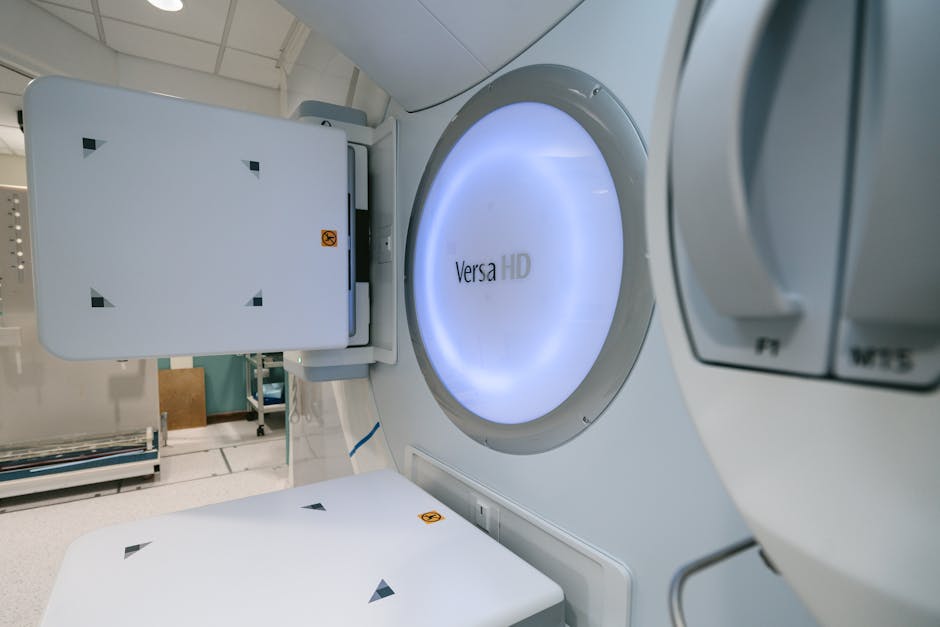
- A new generation of radiotherapies harnesses radioactive atoms to target and destroy cancer cells, but faces a growing demand-supply gap.
- The current supply of certain radioactive isotopes may be insufficient to meet patient needs within the next decade.
- Nuclear waste refinement is gaining traction as a potential solution to meet demand and reduce the environmental impact of nuclear power.
- Radiotherapies offer new hope for patients with previously intractable diseases by selectively targeting and destroying cancer cells.
- The production of radioactive isotopes like lutetium-177 is complex and time-consuming, limiting their availability.
The world is on the cusp of a revolution in radiotherapies, with a new generation of treatments that harness the power of radioactive atoms to target and destroy cancer cells. However, this surge in innovation has also highlighted a pressing concern: the global supply of these vital radioactive isotopes is struggling to keep pace with demand. In fact, estimates suggest that the current supply of certain isotopes will be insufficient to meet the needs of patients within the next decade, underscoring the urgent need for new production methods. One potential solution that is gaining traction is the refinement of radioactive isotopes from nuclear waste, a strategy that could not only help meet the growing demand but also reduce the environmental impact of nuclear power generation.
The Rise of Radiotherapies

The rise of radiotherapies is a testament to the ingenuity of medical researchers and the power of nuclear medicine. By using radioactive isotopes to selectively target and destroy cancer cells, these treatments offer new hope to patients with previously intractable diseases. The most commonly used isotope in radiotherapy is lutetium-177, which is used to treat prostate cancer, among other diseases. However, the production of this isotope is complex and time-consuming, involving the irradiation of ytterbium targets in a nuclear reactor. As the demand for lutetium-177 and other isotopes continues to grow, the need for more efficient and sustainable production methods has become increasingly pressing. This is where the idea of refining isotopes from nuclear waste comes into play, offering a potential solution to the looming supply crisis.
Refining Isotopes from Nuclear Waste

Companies such as NorthStar Medical Radioisotopes and BWXT Medical Limited are at the forefront of efforts to refine radioactive isotopes from nuclear waste. This involves the use of advanced chemical processing techniques to extract valuable isotopes from the waste streams generated by nuclear power plants. One of the most promising sources of isotopes is the waste produced by the reprocessing of spent nuclear fuel, which contains a cocktail of radioactive elements that can be refined and purified for use in radiotherapies. For example, the isotope actinium-225, which is used to treat certain types of cancer, can be extracted from the waste streams generated by the reprocessing of thorium-based fuels. By tapping into this previously underutilized source of isotopes, these companies hope to help meet the growing demand for radiotherapies and reduce the environmental impact of nuclear power generation.
Analysis and Challenges
While the idea of refining isotopes from nuclear waste is an attractive one, it is not without its challenges. One of the main hurdles is the complexity of the chemical processing techniques involved, which require specialized equipment and expertise. Additionally, the regulatory framework governing the use of nuclear waste as a source of isotopes is still in its infancy, and companies must navigate a complex web of laws and regulations to bring these products to market. Despite these challenges, the potential rewards are significant, and many experts believe that the refinement of isotopes from nuclear waste could play a key role in meeting the growing demand for radiotherapies. According to Dr. Mary Lou Dunzik-Gougar, a professor of nuclear engineering at Idaho State University, “the use of nuclear waste as a source of isotopes is a game-changer for the industry, offering a sustainable and environmentally friendly solution to the looming supply crisis.”
Implications and Impact
The implications of refining isotopes from nuclear waste are far-reaching, with the potential to impact not only the radiotherapy industry but also the broader nuclear sector. By reducing the amount of waste generated by nuclear power plants, this technology could help to mitigate the environmental impact of nuclear power generation and make it a more sustainable option for the future. Additionally, the development of new production methods could help to reduce the cost of isotopes, making radiotherapies more accessible to patients around the world. As the demand for these life-saving treatments continues to grow, the importance of finding innovative solutions to the supply crisis will only continue to increase, underscoring the need for continued investment in research and development in this critical area.
Expert Perspectives
Experts in the field are divided on the potential of refining isotopes from nuclear waste to meet the growing demand for radiotherapies. While some, such as Dr. Dunzik-Gougar, see it as a game-changer for the industry, others are more cautious, citing the technical and regulatory challenges that must be overcome. According to Dr. David Natelson, a nuclear engineer at the University of Wisconsin-Madison, “the use of nuclear waste as a source of isotopes is a complex issue, and we need to carefully consider the potential risks and benefits before moving forward.” Despite these differing perspectives, there is a growing consensus that the refinement of isotopes from nuclear waste has the potential to play a key role in meeting the growing demand for radiotherapies.
As the radiotherapy industry continues to evolve, it will be important to watch for developments in the refinement of isotopes from nuclear waste. Will this technology be able to meet the growing demand for radiotherapies, or will other solutions emerge to address the supply crisis? One thing is certain: the need for innovative solutions to this critical challenge will only continue to grow, and companies, researchers, and policymakers must work together to ensure that patients have access to the life-saving treatments they need. As the industry looks to the future, one question is on everyone’s mind: what will be the next breakthrough in radiotherapy, and how will it change the face of cancer treatment forever?