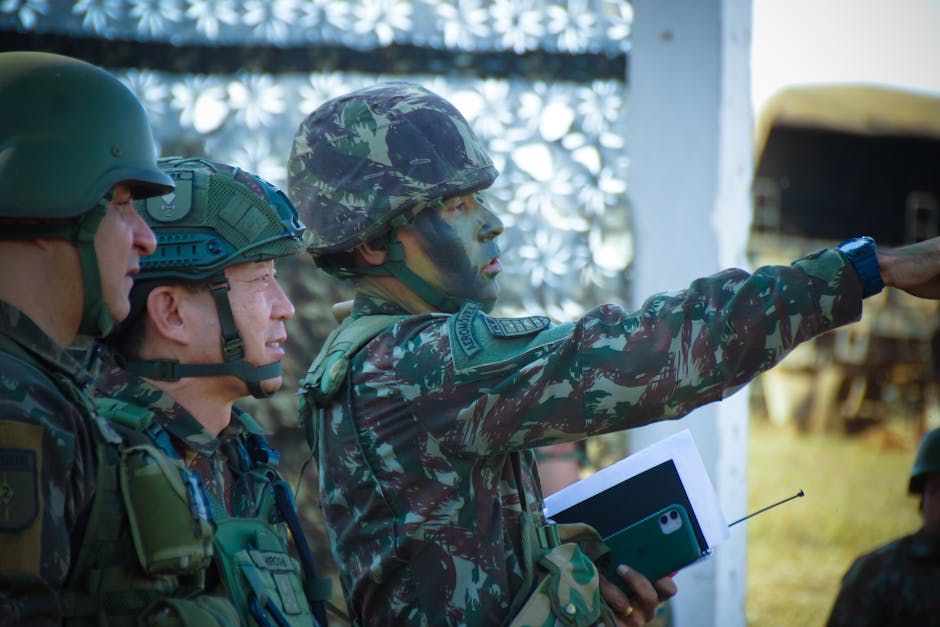
- Japan is bolstering its military capabilities due to a complex and severe security environment.
- The country is increasing defense spending and shifting its military strategy to better protect its sovereignty.
- Tokyo’s faith in the US security cover is faltering, prompting Japan to take a more proactive approach to national security.
- The dispute with China over the Senkaku/Diaoyu Islands and North Korea’s nuclear threat contribute to Japan’s security concerns.
- Japan’s post-war constitution is being reevaluated to accommodate the country’s changing security needs.
Japan is bolstering its military capabilities, particularly in the southern region, as the country faces its most severe and complex security environment since the end of World War II. With a significant increase in defense spending and a shift in its military strategy, Japan is pushing the legal limit of what is considered ‘defence’ under its constitution. This move comes as Tokyo’s faith in the US security cover begins to falter, prompting the country to take a more proactive approach to its national security.
Historical Context and Rising Tensions

The current security landscape in East Asia is fraught with tension, with the ongoing dispute between Japan and China over the Senkaku/Diaoyu Islands, as well as the growing nuclear threat from North Korea. Japan’s post-war constitution, which limits the country’s military to self-defence, has been a subject of debate in recent years. As the region’s security dynamics continue to shift, Japan has found itself in a precarious position, needing to balance its commitment to pacifism with the imperative of protecting its sovereignty. The country’s leadership has come to realize that its security environment is more complex and severe than at any time since 1945, necessitating a reevaluation of its defence strategy.
Military Expansion and Strategic Shifts

Japan’s military expansion is focused on enhancing its capabilities in the southern region, with a particular emphasis on the islands of Okinawa and Miyako. The country is investing in advanced weaponry, including stealth fighter jets and amphibious assault ships, as well as strengthening its missile defence systems. This strategic shift is aimed at countering the growing military presence of China in the region and addressing the potential threat from North Korea. Japan’s military is also engaging in joint exercises with other countries, including the US, Australia, and the UK, to improve its interoperability and readiness. The expansion of Japan’s military is not without controversy, however, as some critics argue that it violates the country’s constitutional commitment to pacifism.
Analysis of the Situation
The underlying causes of Japan’s military expansion are rooted in the country’s changing security environment and its diminishing faith in the US security cover. The US-Japan alliance has been a cornerstone of regional security for decades, but Tokyo is increasingly concerned about the reliability of its partner. The Trump administration’s ‘America First’ policy and the ongoing trade tensions between the US and China have created uncertainty about the US commitment to regional security. Furthermore, the rise of China as a military power has altered the regional balance of power, prompting Japan to reassess its defence strategy. Experts point out that Japan’s military expansion is also driven by domestic politics, with the ruling Liberal Democratic Party seeking to strengthen the country’s defence capabilities and promote a more nationalist agenda.
Implications and Consequences
The implications of Japan’s military expansion are far-reaching, with potential consequences for regional stability and the country’s relationships with its neighbours. China has already expressed concerns about Japan’s military build-up, warning that it could lead to an arms race in the region. The expansion of Japan’s military capabilities also raises questions about the country’s commitment to its pacifist constitution and its potential impact on regional security dynamics. As Japan continues to strengthen its military, it is likely to face increasing scrutiny from its neighbours and the international community, which could lead to heightened tensions and instability in the region.
Expert Perspectives
Experts are divided on the implications of Japan’s military expansion, with some arguing that it is a necessary response to the country’s changing security environment, while others warn that it could lead to an escalation of tensions in the region. Some analysts point out that Japan’s military expansion is a rational response to the growing military presence of China and the potential threat from North Korea, while others argue that it undermines the country’s commitment to pacifism and could lead to a destabilization of the region. As one expert noted, ‘Japan’s military expansion is a complex issue that requires a nuanced understanding of the country’s security environment and its implications for regional stability.’
Looking ahead, the key question is how Japan’s military expansion will impact the regional security dynamics and the country’s relationships with its neighbours. Will Japan’s strengthened military capabilities lead to a more stable and secure region, or will it exacerbate existing tensions and create new challenges for regional security? As the situation continues to evolve, it is clear that Japan’s military expansion will be a critical factor in shaping the country’s future and the stability of the region.